
11 Yellow Living Room Ideas for a Bright, Modern Look
A yellow living room offers a dynamic way to infuse warmth and brightness into a home. It can create a cheerful atmosphere that invites positivity and energy without overwhelming the space. Using yellow strategically—whether as an accent color or the main hue—can transform a living room into a vibrant, welcoming area.
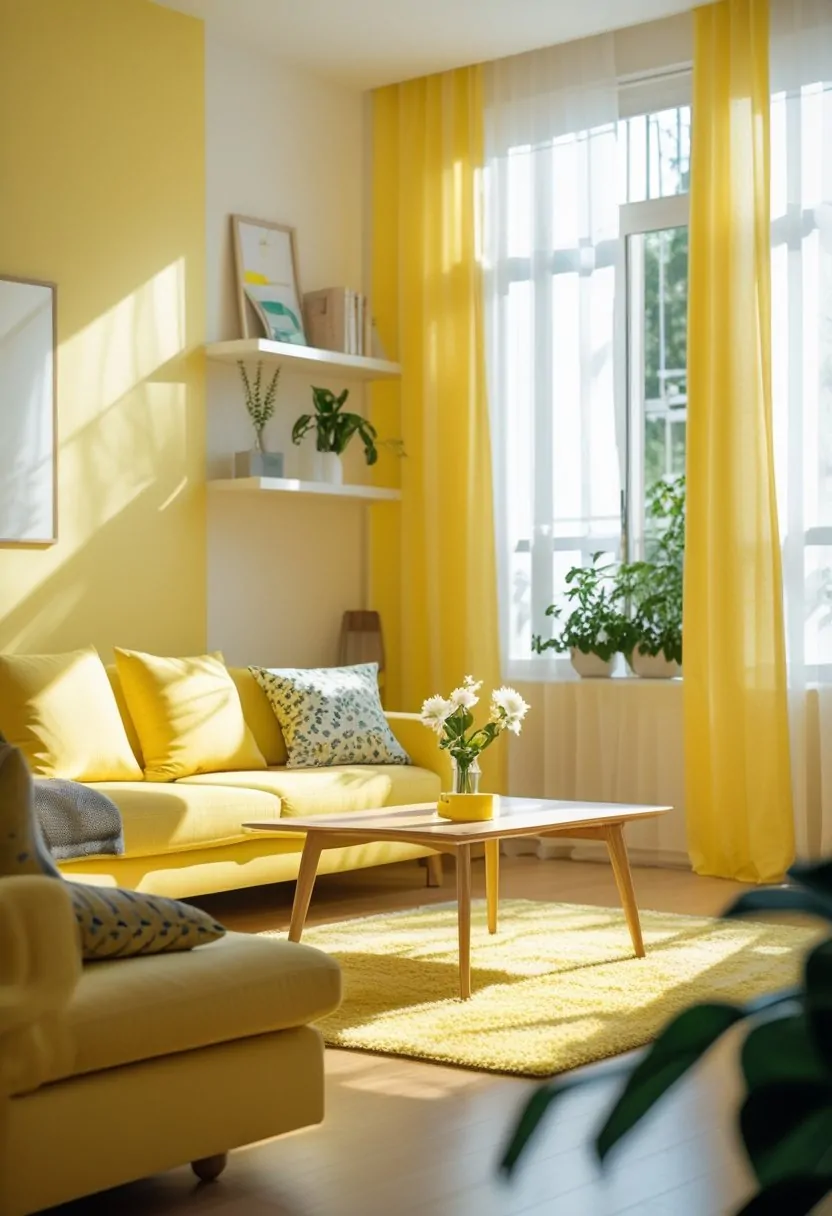
Different shades of yellow, from soft buttery tones to bold mustard, allow for versatile design choices. Pairing yellow with neutral colors like grey or beige balances its brightness, while combining it with deeper hues such as navy or sage green adds depth and sophistication.
Yellow can also enhance natural light and make smaller rooms feel larger and more open. Through thoughtful coordination of furniture, textures, and accessories, a yellow living room can reflect both style and comfort, suitable for a variety of interior aesthetics.
The Appeal of a Yellow Living Room
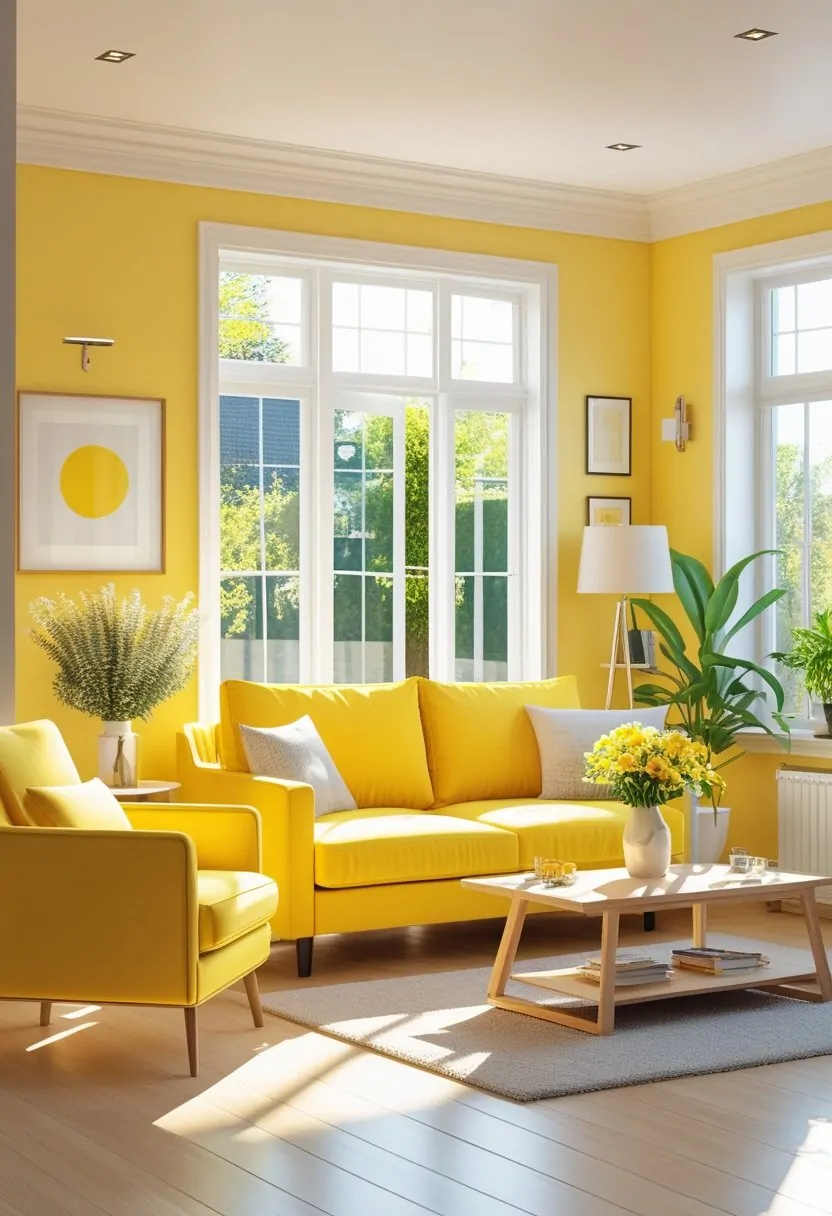
A yellow living room offers a unique blend of warmth, energy, and style. It enhances natural light and creates a welcoming atmosphere. Choosing the right shade and pairing it with complementary colors can make this space both inviting and visually balanced.
Psychological Effects of Yellow
Yellow is often linked to optimism, cheerfulness, and energy. It can lift the mood of a living room, making it feel brighter and more inviting. The color stimulates mental activity and encourages social interaction, which suits common living spaces well.
However, too much bright yellow can cause feelings of agitation or nervousness. Subtler tones like soft buttery yellow or earthy mustard yellow provide warmth without overwhelming the senses. These evolve beyond just brightness, creating a cozy and comforting environment suitable for both relaxing and entertaining.
Popular Shades and Tones
Mustard yellow stands out as a favored tone for yellow living rooms due to its rich, earthy quality. It balances vibrancy with subtle sophistication and pairs well with both modern and traditional decors. Soft butter yellows bring gentle light and airiness, making rooms feel open and calm, while deeper ochre or amber hues add a grounded, organic touch.
Choosing the intensity of yellow depends on the room’s size and natural light. Smaller rooms benefit from lighter, muted tones to avoid feeling cramped. Larger spaces can handle bolder yellows, such as vibrant lemon or gold, without overpowering the area.
Pairing Yellow with Other Colors
Yellow’s versatility lets it work well with many colors. Popular pairings include:
| Accent Color | Effect | Suggestions |
|---|---|---|
| Navy Blue | Creates strong contrast and depth | Use for furniture or accent walls |
| Grey | Introduces modern sophistication | Soft grey walls with yellow furniture accents |
| Sage Green | Adds earthy calmness | Blend mustard yellow with sage for warmth |
| White | Keeps space bright and clean | Pair with pale yellow for airy, fresh feel |
Complementary shades help prevent yellow from dominating the room. Using navy or dark grey alongside yellow can ground the color and add visual interest. Earthy tones, like muted greens or browns, round out yellow’s warmth while maintaining a natural feel.
Essential Yellow Living Room Ideas

Yellow can bring warmth and energy to a living room without overwhelming the space. Thoughtful use of tone, contrast, and placement allows yellow to work as an accent, focal point, or layered element to create depth and interest.
Incorporating Yellow Accents
Using yellow as an accent introduces brightness without dominating the room. Key areas include throw pillows, lampshades, rugs, or small décor pieces like vases and artwork.
Pair yellow accents with neutral tones such as gray, cream, or white to maintain balance. This contrast softens the vibrancy and highlights the yellow without creating visual chaos.
Textures like velvet or linen in yellow accessories add dimension. For example, yellow velvet cushions bring richness, while matte ceramics can keep it subtle.
Creating Focal Points
A yellow focal point anchors the room’s design. This can be a single painted wall, a bold yellow sofa, or a large area rug featuring yellow patterns.
When choosing a yellow feature, consider undertones—warm yellows with orange or gold hints create coziness, while cooler lemons or buttery shades feel airy.
Combine a yellow focal point with grounding colors like deep navy or charcoal to keep the look sophisticated and modern. This contrast sharpens the yellow and prevents it from feeling too bright or overpowering.
Layering Yellow for Depth
Layering involves mixing different shades and finishes of yellow to create visual complexity. Light yellow walls can serve as a base, with medium and darker yellows incorporated through textiles and décor.
Use multiple yellow tones together, such as buttery curtains, mustard cushions, and gold metallic accents, to build depth.
Mix matte and glossy finishes to add tactile variety. For example, a matte yellow wall paired with shiny gold lamps or brass handles enhances richness without clutter.
Layering yellow works best when balanced by neutral furniture and natural wood elements, helping to ground the liveliness of the hue.
Choosing the Right Yellow Furniture

Selecting yellow furniture requires attention to color intensity, material, and style to balance vibrancy with comfort. It is essential to match furniture pieces in texture and tone to create cohesion without overwhelming the space.
Yellow Sofa Styles
Yellow sofas are a statement piece in any living room. Bold yellow sofas often use velvet for a rich texture that adds sophistication while maintaining a cheerful tone. A yellow velvet sofa offers softness and luminous quality, making it both inviting and stylish.
For durability, microfiber or linen-covered yellow sofas can bring a lighter, more casual feel. The sofa’s shape should match the room’s scale; for example, a large sectional brightens open spaces, while a compact velvet loveseat suits smaller rooms.
Yellow Armchair and Accent Chairs
Yellow armchairs and accent chairs provide targeted pops of color without dominating the room. Chairs upholstered in mustard or pastel yellow tones add warmth and can complement neutral or navy-blue palettes effectively.
When choosing yellow armchairs, consider classic silhouettes like mid-century modern or tufted styles to pair well with other modern or traditional pieces. Accent chairs in yellow work well as focal points beside firesides or reading nooks, often benefiting from complementary cushions or throws in muted tones.
Coordinating with Ottomans and Side Tables
Ottomans and side tables in yellow or neutral shades help ground and balance brighter pieces like sofas and chairs. A yellow ottoman can double as footrest or extra seating, and choosing velvet or textured fabric integrates well with velvet sofas.
Side tables don’t need to be yellow but should coordinate in material or color tone. Wood or metal finishes in warm hues or matte black can accent a yellow furniture set without clashing. Using minimalistic, functional designs makes it easier to blend these elements seamlessly into the room’s layout.
Styling with Textiles and Soft Furnishings

Textiles and soft furnishings bring a tactile dimension to a yellow living room. Thoughtful use of cushions, throw pillows, and curtains can balance brightness and introduce layers of comfort and style.
Decorating with Yellow Cushions
Yellow cushions work well as primary or accent pieces in a living room. Choosing shades like mustard or buttery yellow complements neutral sofas and wooden furniture.
Soft fabrics such as velvet or linen add texture and richness. Grouping cushions in varying sizes and patterns—such as geometric prints or subtle stripes—prevents monotony while keeping the yellow cohesive.
Placing cushions strategically, like clustered at sofa corners or on armchairs, creates inviting spots. They can also highlight other yellow accents, enhancing warmth without overpowering the room.
Using Throw Pillows for Contrast
Throw pillows in contrasting colors or patterns break up large yellow areas. Navy blue, gray, or sage green pillows work well to soften yellow tones and add depth.
Mixing smooth and textured fabrics—such as knitted, embroidered, or leather pillows—adds visual interest and tactile variety. Patterns like checks or florals provide subtle sophistication without clashing.
Arranging throw pillows in balanced groups ensures the contrast looks intentional. This layering technique gives the room a dynamic but harmonious feel.
Adding Yellow Curtains
Yellow curtains introduce both color and light control to a living room. Choose soft, translucent fabrics like sheer voile for gentle brightness or heavier cotton blends for warmth and privacy.
Muted yellow shades work best on larger window treatments to avoid overwhelming the space. Pairing curtains with neutral walls and furnishings lets the yellow enhance natural light.
Curtains with subtle textures or minimal patterns maintain a clean look. Proper curtain length and fullness improve the room’s proportions and create a polished finish.
Wall Treatments and Decorative Finishes

Choosing the right wall treatment is essential to harness yellow’s warmth without overwhelming the space. Both paint and wallpaper create distinct moods and offers flexibility in balancing brightness and texture.
Painting Yellow Walls
Painting yellow walls requires attention to the shade and finish to achieve the desired effect. Lighter hues, such as buttery or pastel yellow, can make a room feel spacious and welcoming. In contrast, deeper tones like mustard or ochre introduce warmth and a sense of coziness.
The finish also influences the room’s character. Matte or eggshell finishes reduce glare and soften the color, while semi-gloss or satin finishes reflect light, enhancing brightness. Pairing yellow walls with neutral trims or white ceilings helps define the space without clashing.
Adding an accent wall in a bolder yellow shade can create a focal point without overpowering the room. Combining yellow with complementary colors like soft blues or grays balances vibrancy and calmness.
Utilizing Yellow Wallpaper
Yellow wallpaper offers pattern and texture to enrich a living room’s visual appeal. It ranges from subtle, tone-on-tone designs to bold prints featuring florals, geometrics, or stripes.
Wallpaper allows for more complex aesthetics, including metallic gold accents or textured finishes that add depth. It works well when yellow paint might feel too flat or intense on all walls.
Installing wallpaper on a single wall can define seating areas or highlight architectural features. It also pairs effectively with painted yellow walls in softer shades, creating layered visual interest.
Choosing a wallpaper with complementary color accents helps integrate the design smoothly with existing furniture and fabrics. Easy-to-clean and durable options make wallpaper practical for high-use living rooms.
Balancing Light and Atmosphere

A yellow living room thrives on carefully managing light to maintain warmth without overwhelming the space. Achieving this balance involves optimizing natural light flow and choosing lighting fixtures that complement yellow tones while enhancing comfort and style.
Maximizing Natural Light
Natural light intensifies the brightness of yellow walls, making rooms appear more spacious and lively. To maximize this effect, unobstructed windows and minimal window treatments are essential. Sheer curtains or blinds that diffuse light gently work well, allowing sunlight to fill the room without harsh glare.
Placement of mirrors opposite windows can reflect light deeper into the space. Light-colored flooring and furniture also help by bouncing natural light. Maintaining clean windows ensures maximum light penetration throughout the day.
When sunlight is abundant, balancing it with subtle furnishings in neutral or cool tones, like soft gray or sky blue, prevents the yellow from feeling too intense or overwhelming.
Selecting Lighting Fixtures
Lighting fixtures in a yellow living room should enhance the room’s warm, inviting feel without competing with the wall color. Warm white bulbs (2700K–3000K) bring out yellow’s coziness without distorting its hue.
Layered lighting is effective: use ambient lighting, such as overhead fixtures or recessed lights, for general illumination. Add task lighting with adjustable floor or table lamps to highlight seating or reading areas.
Fixtures with metallic finishes like brass or natural wood accents complement yellow walls and add subtle elegance. Avoid overly bright or cool-toned lights, which can create an uncomfortable contrast with yellow tones.
Dimmer switches allow control over light intensity, helping adapt the atmosphere from bright and energetic to soft and relaxing.
Functional Layout and Practical Elements

Creating a yellow living room requires careful attention to how furniture pieces interact functionally and visually. Key elements like coffee tables and media consoles must complement vibrant walls without overcrowding the space or disrupting flow.
Selecting a Coffee Table
Choosing the right coffee table involves balancing size, material, and style with the yellow color scheme. A wooden coffee table often works well, adding warmth and grounding the bright walls with natural texture.
It should be proportional to the seating arrangement, allowing at least 18 inches of clearance around for easy movement. Rectangular or oval shapes tend to fit well in most living room layouts.
Opt for minimalist designs if the yellow walls are bold. Clear or light wood finishes prevent the space from feeling heavy. Tables with additional storage or shelves enhance practicality without sacrificing style.
Arranging Media Consoles and Storage
A media console should anchor the entertainment area while blending with yellow tones. Neutral colors like white or grey help keep the space balanced and avoid clashing with vibrant walls.
Placement directly under the television ensures clean sightlines and reduces clutter. Consoles with closed compartments hide electronics and cables, contributing to a tidy appearance.
Storage can include built-in shelves or side cabinets to hold books, decor, or other essentials. Prioritizing functionality with streamlined shapes and subtle finishes ensures the room remains inviting and organized.
Complementing Yellow with Home Decor

Yellow can be balanced effectively by combining it with complementary colors and textures. Selecting the right tones and materials allows the room to feel inviting and cohesive, avoiding overwhelm from bright or clashing hues.
Incorporating Earthy and Neutral Tones
Earthy tones such as sage green, warm browns, and muted greys soften yellow’s vibrancy and create a grounded atmosphere. These colors work well in furniture, rugs, and wall art to balance bold yellows.
Neutral shades like beige, cream, and soft white provide a calming backdrop that highlights yellow accents without competing for attention. Using neutral trim or upholstery helps maintain an airy, modern feel in the living room.
Combining yellow with earthy and neutral tones creates layers of warmth and natural comfort. This approach is practical for those who want a yellow living space that feels both lively and restrained.
Mixing Patterns and Materials
Introducing patterns in textiles such as cushions, curtains, or rugs adds visual interest alongside yellow walls or furniture. Geometric or botanical yellow patterns can enhance the theme without overpowering the space.
Materials like natural wood, woven fabrics, and metal finishes complement yellow by varying the texture. Wood tones bring warmth and authenticity, especially in mid-century or rustic designs.
Mixing smooth and rough textures balances yellow’s brightness, making rooms feel dynamic but not chaotic. Thoughtful placement of yellow-patterned items ties together the overall aesthetic, ensuring harmony in décor choices.
Designing for Different Living Room Types

Yellow can enhance various living room layouts by adjusting intensity and balance. Different room sizes and purposes call for tailored approaches to avoid overwhelming the space or losing warmth.
Small Yellow Living Rooms
In small living rooms, using yellow effectively requires moderation to prevent the room from feeling cramped. Lighter shades like soft pastels or pale buttery yellows can open up the space and reflect natural light.
Pairing yellow walls or furniture with crisp white trim or neutral tones creates contrast and depth without cluttering the visual field. Mirrors and minimalistic decor help maintain openness.
Bright accents, such as yellow cushions or artwork, bring energy without dominating the room. Avoid heavy patterns or overly saturated yellows to keep the space airy and balanced.
Creating a Cozy Living Room
For a cozy living room, yellow tones should evoke warmth without harshness. Rich mustard or warm golden yellows add depth and comfort, grounding the space.
Layer textures such as soft throws, woven rugs, and plush cushions in complementary colors like sage green or warm grey to enhance snugness. Dimmer lighting or soft lamps accentuate the mood.
Two-tone walls—yellow with white or darker trims—create a welcoming, intimate atmosphere. Using yellow as an accent on one wall or furniture piece maintains warmth without overpowering the room.
Frequently Asked Questions
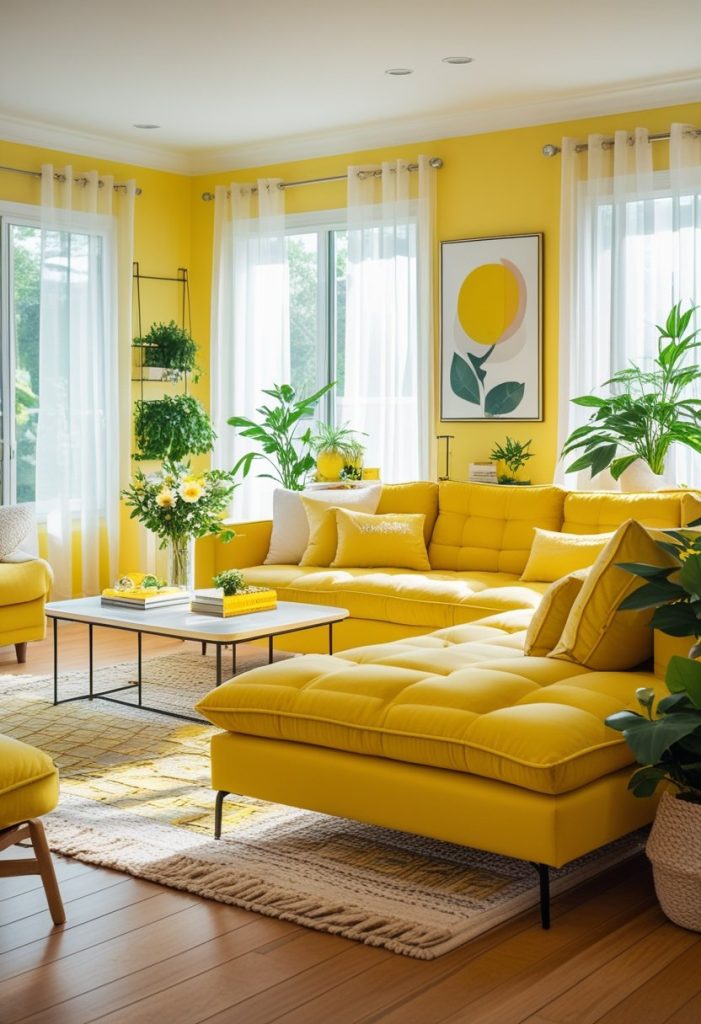
A yellow living room benefits from carefully chosen colors and textures to balance its brightness. Decorating with yellow walls requires consideration of furniture and accent pieces to maintain harmony. Lighting and atmosphere also play key roles in enhancing the space’s warmth and appeal.
What are the best accent colors for a yellow living room?
Accent colors such as navy blue, sage green, and grey complement yellow well. Mustard and ochre tones add depth without overwhelming the space. Using these colors in pillows, rugs, or artwork creates balanced contrast.
How can I decorate my living room with yellow walls?
Neutral furniture like beige or light grey offsets the brightness of yellow walls. Incorporating natural textures such as wood or woven materials adds warmth. Use minimal and muted decor to avoid making the room feel too busy.
What are some modern design ideas for a living room with yellow as the primary color?
Modern designs often combine yellow with clean lines and simple forms. Furniture with metal or black accents can enhance the modern look. Pair yellow walls or large yellow pieces with minimalist decor and subtle geometric patterns.
Which color combinations work well in a living room with yellow accents?
Yellow works well with earthy tones like olive green and muted browns. Combining yellow with white or cream provides a fresh, airy feel. Navy blue and charcoal grey also create a striking but balanced palette.
How do I create a warm and inviting atmosphere in a yellow living room?
Layer textiles such as throws and cushions in warm colors to soften the space. Add earthy or natural materials like wood and plants to enhance warmth. Balanced lighting that avoids harsh glare helps keep the atmosphere cozy.
What are the best lighting options for enhancing a yellow living room aesthetic?
Warm white or soft yellow light bulbs enhance the warmth of yellow tones. Floor and table lamps with diffusers provide gentle, layered lighting. Avoid overly bright or cool-toned lights, which can clash with yellow hues.