Earthy Homes: Creating Sustainable and Natural Living Spaces
Earthy homes are designed to connect with the natural environment by using materials and techniques that blend seamlessly with the landscape. These homes often incorporate soil, stone, and natural fibers in their construction, creating spaces that are sustainable, energy-efficient, and integrated with their surroundings. They offer practical benefits such as improved temperature regulation, reduced maintenance, and enhanced soundproofing due to their use of earth materials.
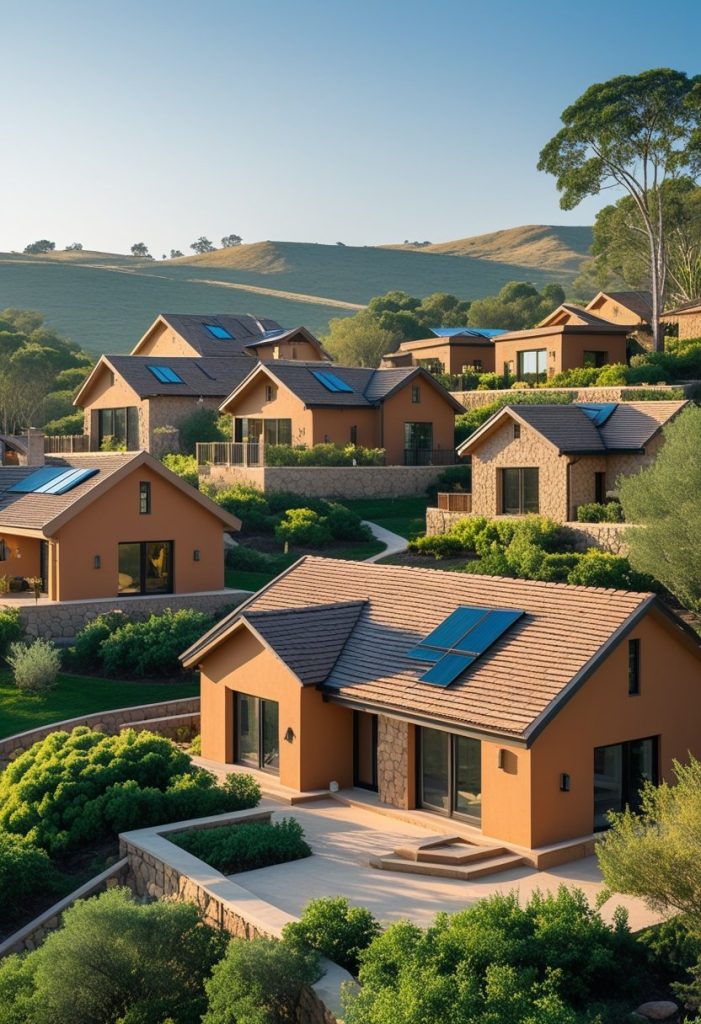
The appeal of earthy homes goes beyond aesthetics; many designs draw on ancient building methods like rammed earth, earth-sheltering, or SuperAdobe techniques, which have proven durability and environmental advantages. By tapping into these methods, homeowners create residences that not only minimize their ecological footprint but also provide lasting comfort throughout the changing seasons.
As interest in sustainable living grows, earthy homes have gained popularity for their ability to merge function with nature. Those exploring these homes will find a broad range of styles and innovations that cater to different climates and lifestyles while maintaining a strong connection to the earth.
What Defines an Earthy Home?
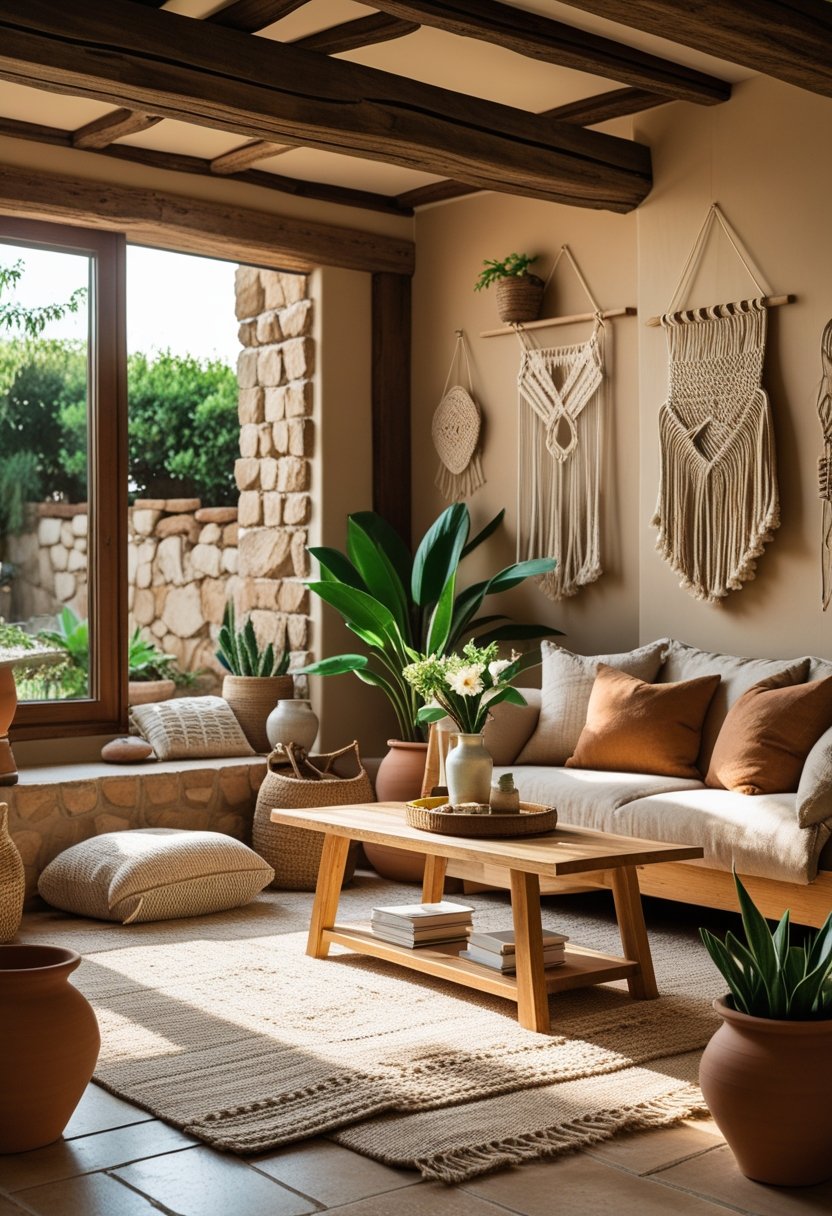
An earthy home integrates natural materials and the surrounding landscape to create a living space that emphasizes comfort, security, and a strong connection to the environment. It often uses earth itself as a component of its structure, resulting in unique designs that offer thermal stability and soundproofing.
Core Characteristics
Earthy homes are primarily distinguished by their use of natural elements like soil, clay, stone, and wood. They are designed to blend into the landscape, often partially or fully underground, which enhances insulation and reduces exposure to extreme weather.
These homes emphasize durable construction with thick walls, frequently made from concrete or rammed earth, to provide security and energy efficiency. Interiors focus on natural textures and earthy tones to evoke a restful, grounding atmosphere. The design aims to create a quiet, protected space that fosters both physical comfort and psychological wellbeing.
Types of Earthy Homes
There are three common types of earthy homes: underground, bermed, and in-hill.
- Underground homes are fully submerged, offering exceptional protection and thermal regulation.
- Bermed homes have earth piled against their exterior on one to three sides, combining natural insulation with more above-ground light.
- In-hill homes are built directly into a hillside, using the slope as a natural shield.
Each type reflects varying degrees of exposure to earth and offers different balances of natural light, energy efficiency, and integration with the landscape.
Benefits and Limitations
Earthy homes provide several advantages, including energy savings due to their natural insulation and reduced heating and cooling needs. They offer enhanced soundproofing and durability against storms, fire, and earthquakes, which adds to occupants’ sense of security.
However, their construction can be complex and costly, requiring specialized knowledge and materials. Limited windows and daylight in some designs may impact mood and lighting preferences. Maintenance is generally low but can be more difficult if moisture control is not properly managed. Despite these trade-offs, many find the earthy feel and stability of such homes appealing for long-term comfort.
Natural Materials and Design Principles

Creating an earthy home relies on choosing materials that offer durability, warmth, and a connection to the environment. These choices contribute to insulation and comfort while establishing a natural aesthetic. The thoughtful application of colors, textures, and spatial flow enhances the cohesive, organic atmosphere.
Use of Local and Organic Materials
Using local materials like wood, stone, and clay supports sustainability and lends authenticity to a space. These materials often have natural insulating properties, which help maintain consistent indoor temperatures, reducing energy use. For example, hardwood floors provide warmth underfoot, while stone walls regulate thermal flow.
Organic fabrics such as linen, cotton, and wool complement these surfaces, contributing softness and breathability. Choosing materials with minimal processing reduces environmental impact and preserves the innate textures critical to achieving an earthy feel. The focus is on quality and longevity rather than synthetic or heavily treated components.
Integrating Indoor and Outdoor Spaces
Blurring the boundaries between inside and outside strengthens the home’s connection to nature. Large windows, sliding doors, and open layouts allow natural light to energize interiors and highlight earthy textures. This design principle encourages fresh air circulation, enhancing overall wellbeing.
Incorporating plants and natural landscaping visible from living areas fosters a calming vibe and extends the home’s warm atmosphere. Outdoor materials often reflect or complement indoor choices, maintaining harmony. This seamless flow supports a tranquil, grounded environment rooted in nature’s rhythms and materials.
Color Palettes and Textures
Earthy color palettes typically center around muted tones—browns, greens, creams, and muted ochres—which create a warm, inviting backdrop. These shades develop a peaceful ambiance, reducing visual stress and enhancing relaxation.
Texture plays a vital role in these interiors, with rough-hewn wood, raw stone, woven fibers, and natural finishes providing tactile interest. Combining matte surfaces with slight irregularities avoids artificial uniformity and promotes a handcrafted aesthetic. Layering textures balances softness and structure, reinforcing the earthy home’s cozy, insulated feel.
Popular Architectural Styles of Earthy Homes
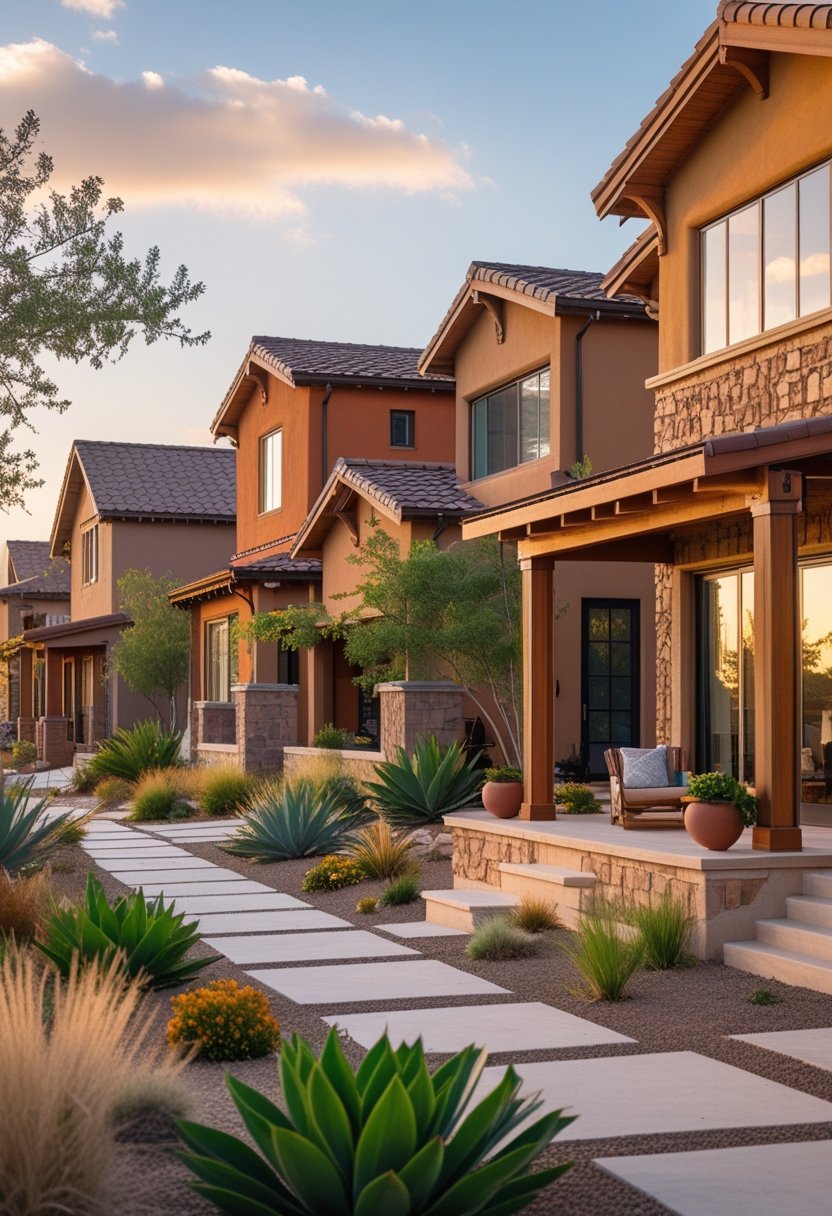
Earthy homes emphasize materials and designs that enhance energy efficiency and blend with natural surroundings. These styles often incorporate innovative insulation methods and natural roofing solutions to maintain comfort and reduce environmental impact.
Earth-Sheltered Homes
Earth-sheltered homes are built partially or fully underground, taking advantage of the earth’s thermal mass to regulate indoor temperatures. This design significantly reduces heating and cooling demands, providing excellent insulation against external weather fluctuations.
Such homes are often integrated into hillsides or flat terrain with soil covering the exterior walls and roof. This not only improves energy efficiency but also minimizes the visual impact on the landscape. Many earth-sheltered homes feature curved architecture inspired by natural landforms, supporting seamless indoor-outdoor transitions.
Energy savings are a key benefit, as these homes maintain consistent indoor temperatures year-round. Additionally, the use of earth material as insulation cuts down on the need for traditional heating and cooling systems.
Adobe and Cob Houses
Adobe and cob houses use natural materials like clay, sand, straw, and water to form dense walls with high thermal mass. These materials absorb heat during the day and release it slowly at night, stabilizing indoor temperatures without mechanical systems.
Adobe bricks are sun-dried and provide durable, moisture-resistant walls. Cob construction involves molding a mixture of earth and straw directly into shape, often allowing for organic, sculptural forms. Both methods promote sustainability by using locally sourced, non-toxic materials.
Their thick walls provide superior insulation against temperature swings. This approach suits dry climates but requires attention to moisture management to preserve structural integrity.
Green Roof and Living Roof Homes
Green roofs, also known as living roofs, are roofs covered with vegetation and soil layers. They offer natural insulation, reducing heat loss in winter and limiting heat gain in summer. This results in lower energy bills and a more stable indoor climate.
The vegetation layer helps absorb rainwater, reducing runoff and promoting biodiversity. Green roofs also extend the lifespan of roofing materials by shielding them from sun and weather damage.
Living roofs vary, from lightweight sedum mats to thicker, multi-layered gardens. Proper installation includes waterproof membranes, drainage systems, and root barriers to protect the structure below while supporting plant health.
Innovative Design Solutions for Earthy Living
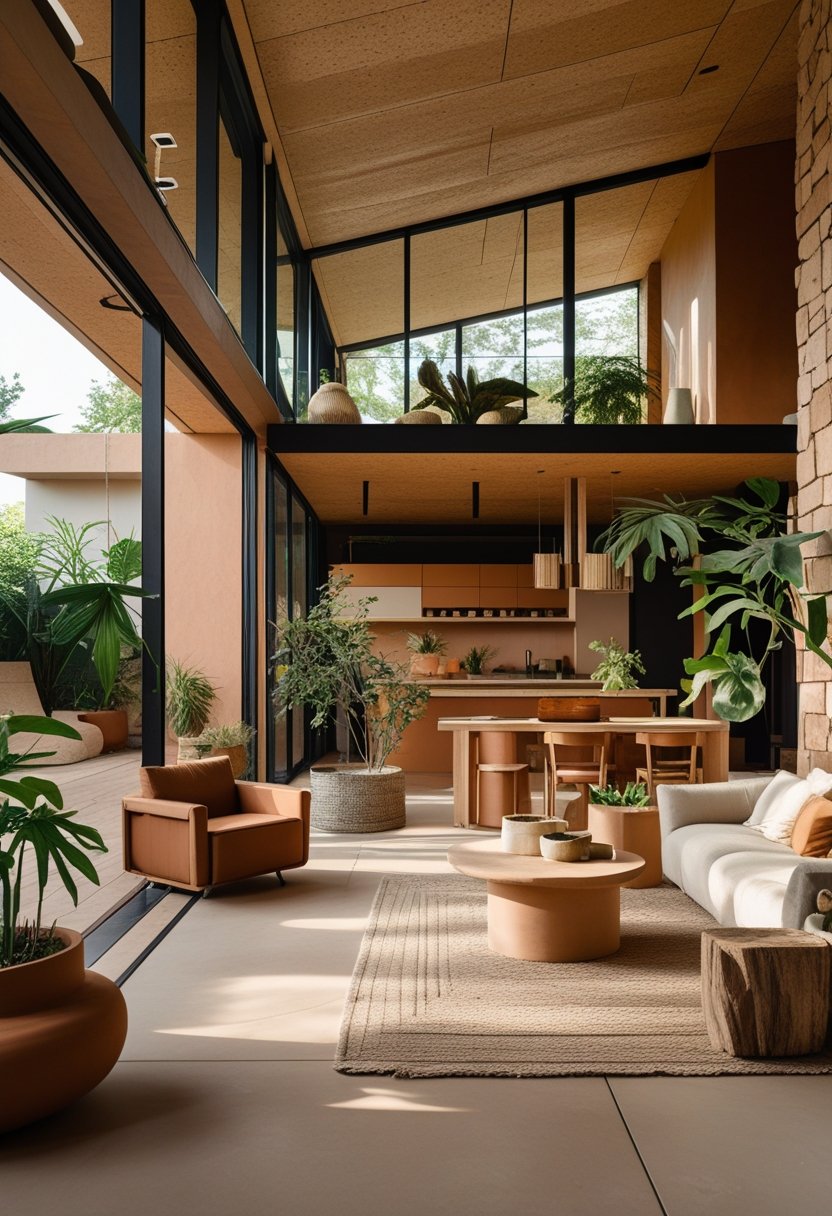
Earthy homes combine natural materials with advanced techniques to optimize comfort and sustainability. These designs address energy efficiency and integrate smart technologies to ensure both environmental responsibility and modern convenience.
Energy-Efficient Building Techniques
Energy efficiency in earthy homes relies heavily on superior insulation and the use of natural materials that stabilize indoor temperatures. Thick walls made of materials like rammed earth or recycled wood reduce heat loss in winter and heat gain in summer, promoting year-round comfort.
Passive solar design principles are also common. Positioning windows and terraces to maximize natural light and heat reduces reliance on artificial heating. Additionally, earth-sheltering techniques—burying portions of the home into the landscape—provide natural insulation, protect against extreme temperatures, and lower energy consumption.
These homes often incorporate energy-efficient windows, reflective roofing, and ventilation systems designed to minimize heat exchange. Together, these features reduce utility costs and environmental impact without compromising on aesthetic appeal.
Modern Smart Home Integrations
Smart home systems enhance the functionality of earthy homes by monitoring and adjusting energy use automatically. Thermostats linked to weather forecasts optimize heating and cooling, ensuring energy is used only when necessary.
Lighting systems use sensors to adapt to daylight, reducing electricity consumption. Smart irrigation systems, paired with rainwater harvesting, manage water resources efficiently, maintaining landscaping without waste.
Security features are integrated subtly to preserve the natural atmosphere, with options such as remote monitoring and automated locks. These technologies do not detract from the earthy aesthetic but increase convenience and sustainability for residents.
Creating a Cozy and Secure Atmosphere
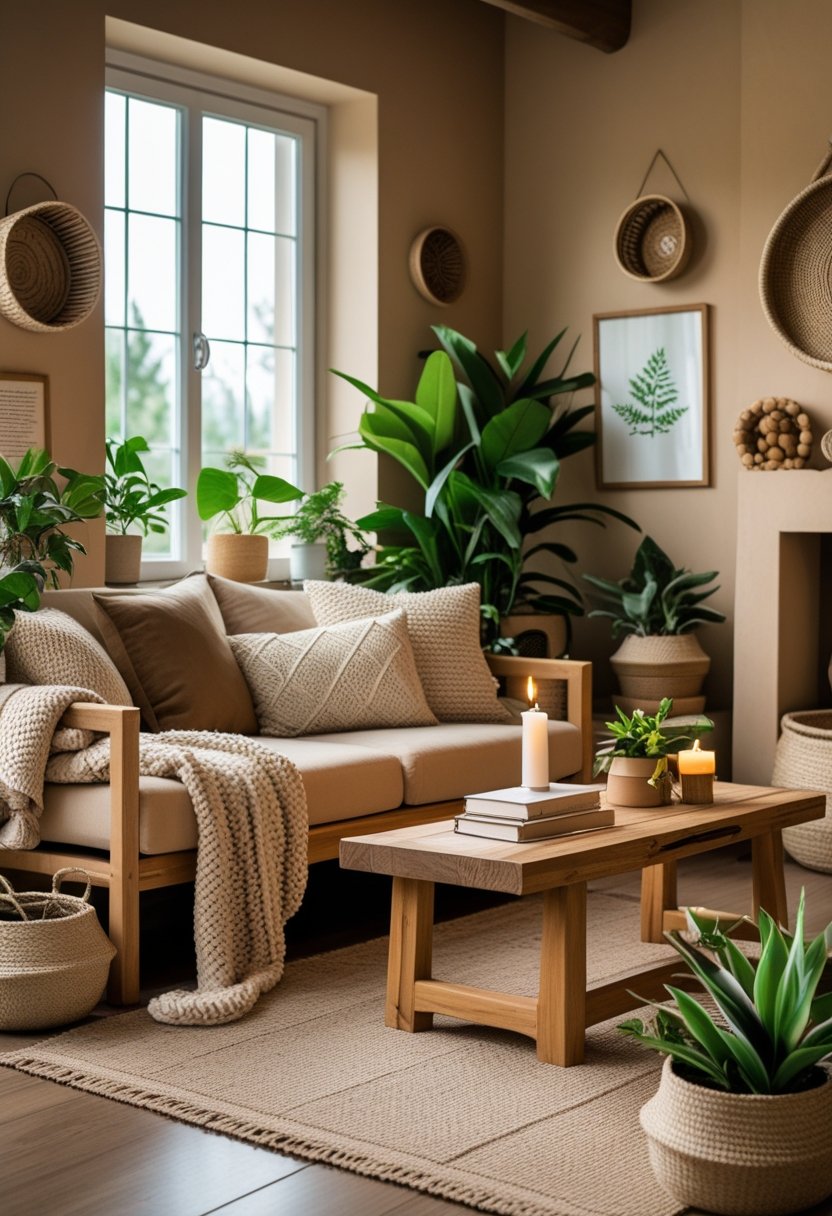
Earthy homes focus on blending comfort and security with natural elements. The balance of warmth and protection often comes from thoughtful texture layering, lighting choices, and natural materials that invite both relaxation and safety.
Optimizing Comfort and Warmth
Comfort in an earthy home is rooted in natural materials like linen, wool, and cotton, which add softness and breathability. Layering these textiles through throws, cushions, and rugs creates tactile warmth without heaviness.
Lighting plays a crucial role. Soft, warm lighting from brass or wooden fixtures produces a gentle glow, avoiding harshness while enhancing the welcoming feel. Layered lighting—combining ambient, task, and accent lights—adds depth to the space.
Neutral tones such as beige, terracotta, or warm whites contribute to a calming and cozy atmosphere. These colors work well with textures and subtle shimmer, providing visual warmth without overwhelming the senses.
Enhancing Security with Natural Features
Security in an earthy home means physical safety combined with a sense of psychological calm. Natural landscaping, like dense shrubs or wooden fences, can create a barrier that feels integrated with the environment.
Fire features, such as a sunken firepit surrounded by durable yet comfortable seating, add both literal warmth and a feeling of protection. Strategically placed outdoor lighting improves visibility while maintaining an inviting ambiance.
Materials chosen for their durability—like stone or timber—support a secure interior and exterior. Natural textures also conceal wear and tear, preserving the home’s appearance and sense of stability over time.
Inspiration and Ideas for Your Own Earthy Home
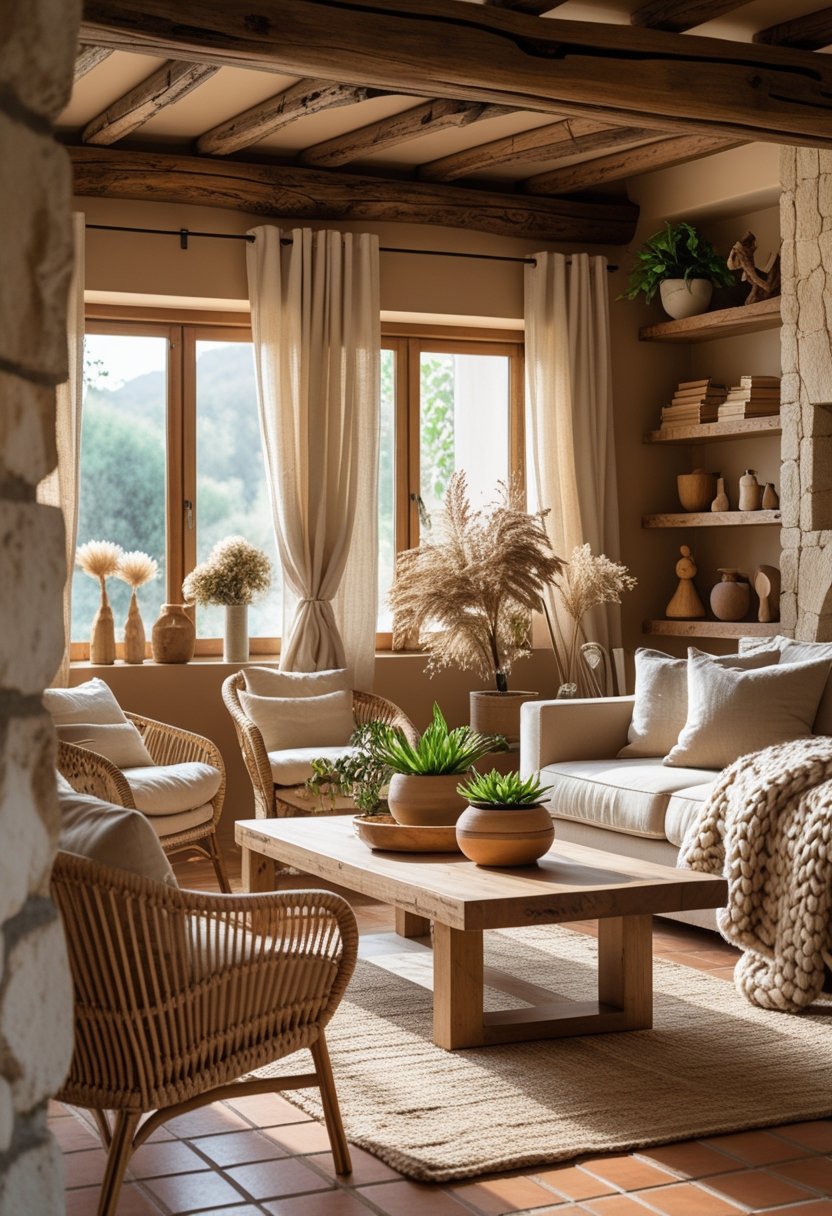
Creating an earthy home involves blending natural materials and colors to evoke warmth and calm. From textures inside the home to sustainable outdoor features, specific choices shape a grounded, inviting atmosphere.
Design Ideas for Interiors
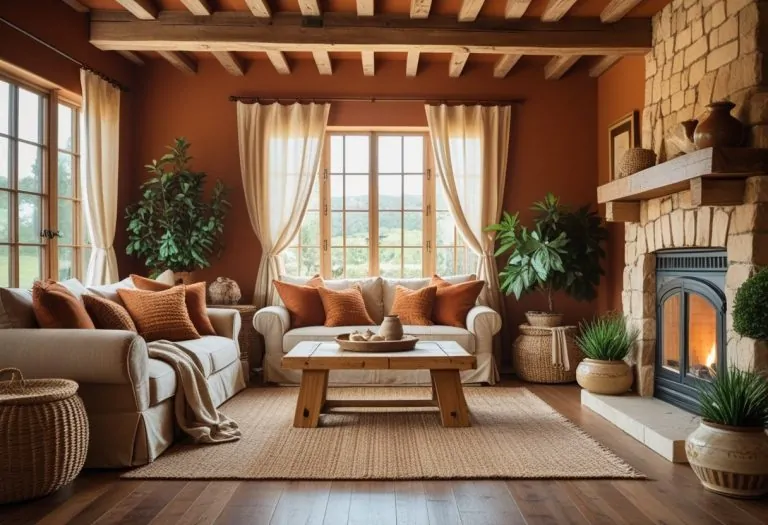
Using natural materials like wood, stone, and woven fibers establishes an authentic earthy feel indoors. Earth tones, such as terracotta, ochre, and soft greens, enhance warmth and harmony throughout the space. Layering textures—such as linen curtains, jute rugs, and clay pottery—adds depth without clutter.
Furniture with organic shapes and raw finishes supports a nature-inspired look. Incorporating natural fiber rugs like jute or wool helps ground floors with tactile quality. Subtle lighting with warm bulbs complements these elements for a cozy ambiance.
Plants provide life and a green accent that contrasts earthy neutrals effectively. Using earth-toned bedding or cushions creates restful areas that feel rejuvenating.
Exterior Landscaping and Outdoor Spaces
Earthy homes extend their connection to nature outdoors. A green roof integrates vegetation onto the building, improving insulation and blending with the landscape. It also supports local biodiversity and manages rainwater sustainably.
Natural stone paths, wood fences, and native plantings maintain an unforced, rustic look. Using mulch, rocks, and drought-resistant plants conserves water while adding texture. Outdoor seating crafted from reclaimed wood encourages relaxation in tune with the environment.
Emphasizing organic shapes rather than rigid layouts helps the outdoor space feel like an extension of the earth itself, creating a tranquil transition from inside to outside.
Frequently Asked Questions
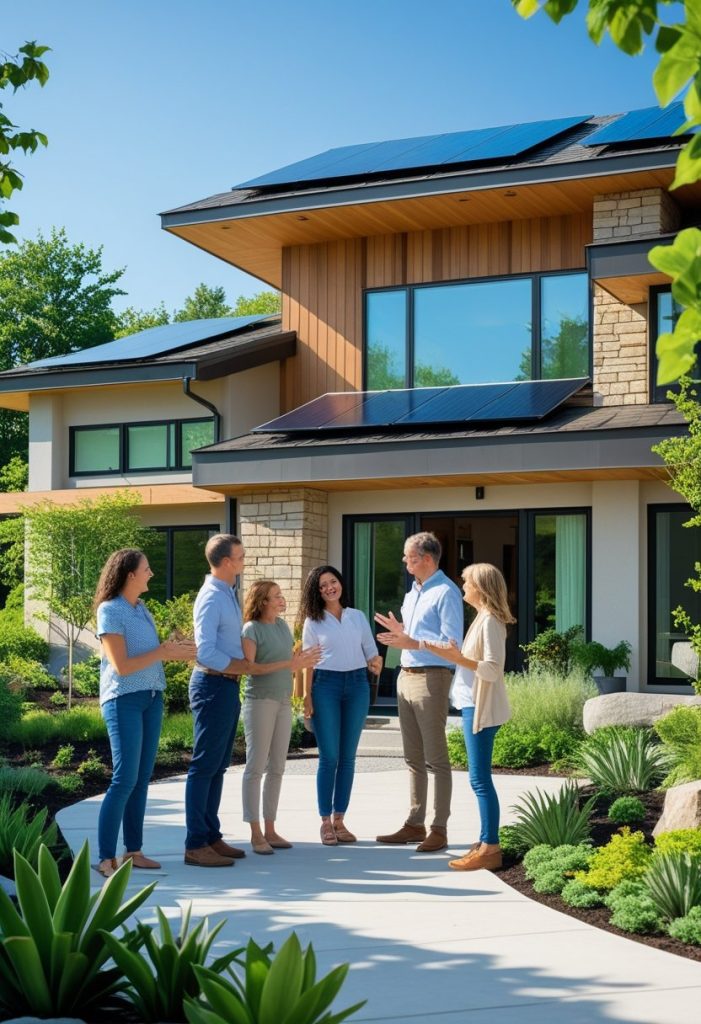
Earthy homes emphasize natural textures, balanced color schemes, and sustainable materials. They blend comfort with environmental consciousness while allowing room for modern aesthetics and practical budgeting.
What are the essential elements of earthy home decor?
Earthy home decor prioritizes natural materials like wood, stone, and clay. Textures such as woven fabrics, linen, and raw finishes create tactile interest.
Incorporating indoor plants adds life and improves air quality. Lighting often mimics natural sources, focusing on warm, soft glows.
How can I incorporate modern design into an earthy home aesthetic?
Modern design can be included through clean lines and minimalistic furniture. Using neutral tones alongside natural elements maintains the earthy feel without clutter.
Metal accents or glass features introduce contemporary flair while contrasting textures keep the space balanced. Functional, streamlined storage supports a modern lifestyle.
What color palettes best complement earthy home interiors?
Warm neutrals such as beige, taupe, and terracotta work well. Greens inspired by foliage and muted blues reflecting the sky enhance the natural vibe.
Rich browns and soft grays provide depth. These colors create a grounded and soothing atmosphere suitable for an earthy home.
Which sustainable materials are popular in earthy home construction?
Materials like rammed earth, reclaimed wood, and bamboo are frequently used for sustainability. Earth berming techniques improve insulation and energy efficiency.
Natural stone and recycled metal contribute to low environmental impact. These materials also support durability and local sourcing.
What are some cost-effective ways to achieve an earthy feel in my living space?
Using reclaimed or secondhand furniture reduces expenses and environmental waste. DIY projects like terracotta pots or jute rugs add natural texture affordably.
Incorporating plants and natural fabrics costs little but enhances the earthy aesthetic. Simple earth-toned paint can transform a room on a budget.
How do I balance natural elements with contemporary comforts in earthy home design?
Integrating modern appliances and smart technology ensures functionality within an earthy setting. Soft textiles and ergonomic furniture maintain comfort.
Natural materials can be paired with sleek finishes for contrast. Maintaining ventilation and light control also supports a healthy living environment.