Transform Your Bedroom with Unique Wall Paint Ideas
There are many ways to make a bedroom stand out using unique wall painting ideas. Incorporating bold patterns, two-tone color combinations, or hand-painted murals can add personality without overwhelming the space. Choosing creative wall designs allows a person to express individuality while transforming the room into a visually engaging retreat.
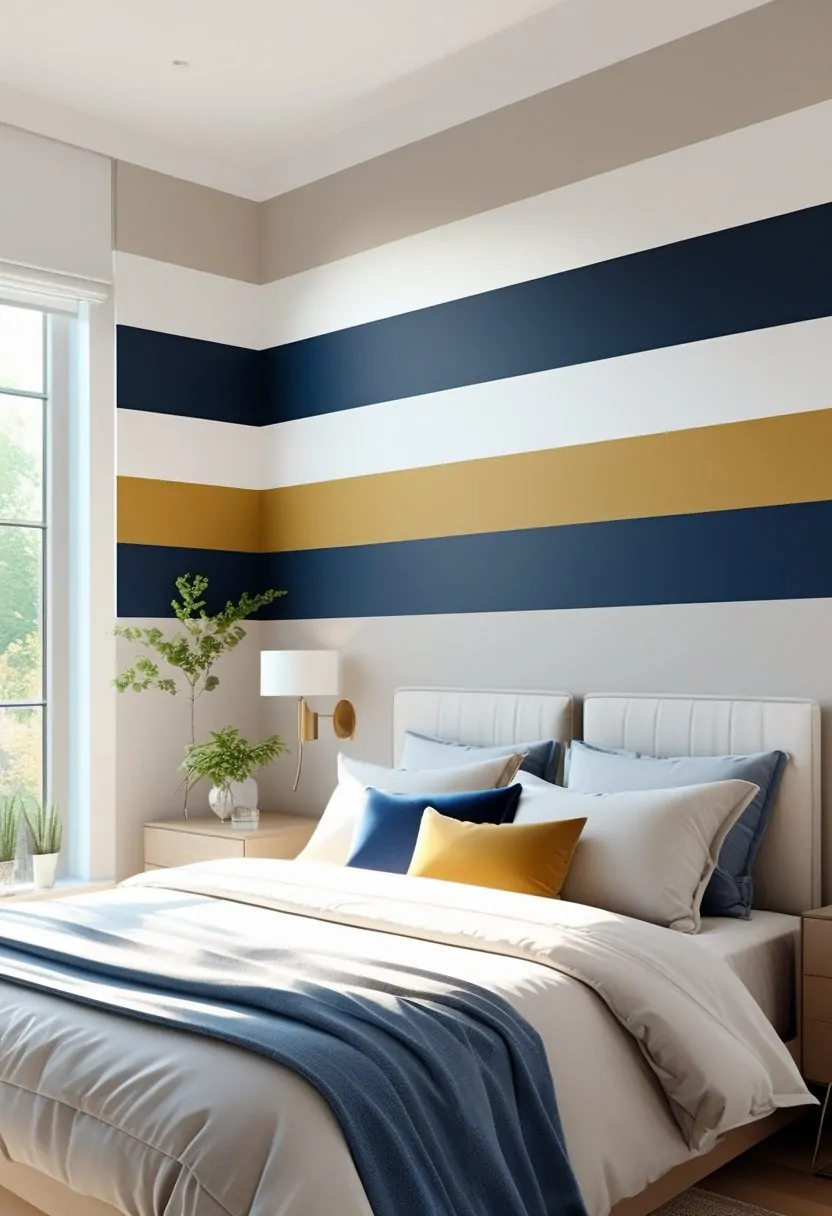
Beyond simple color changes, techniques like contrasting painted ceilings or wall trims bring new dimensions to a bedroom. These ideas help avoid the typical, offering a fresh, modern look that reflects personal style more effectively than plain walls.
By selecting distinctive motifs or using stencils for repeated patterns, someone can easily update their bedroom with minimal effort and cost. This approach not only refreshes the environment but also creates a unique ambiance tailored to one’s taste and mood.
Unique Wall Painting Techniques for Bedroom Transformation
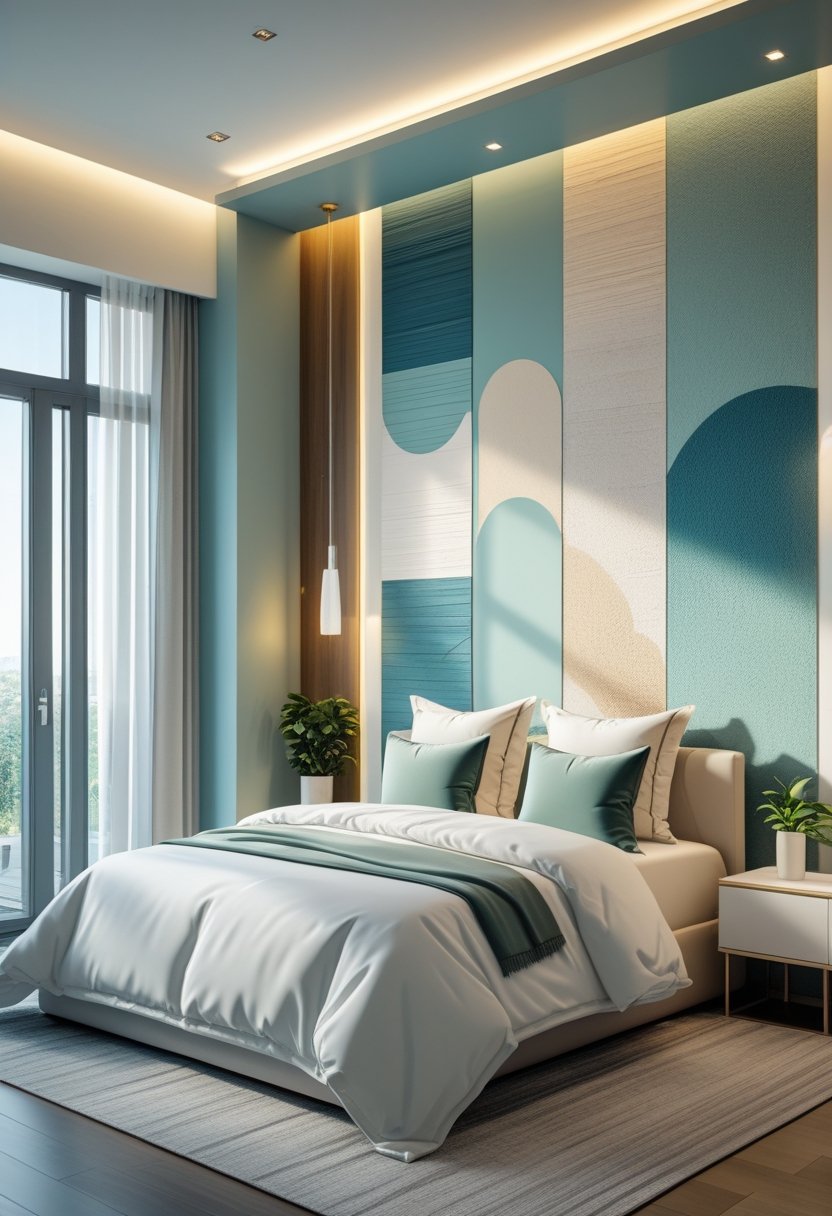
A bedroom’s atmosphere can shift dramatically with precise wall painting styles. Techniques like sharp patterns, blended color gradients, scenic imagery, and reflective touches create distinctive visual effects. Each approach targets a different aspect of design, from structure and depth to light interaction.
Bold Geometric Patterns
Bold geometric patterns emphasize clean lines and shapes such as triangles, squares, and hexagons. These patterns provide structure and rhythm to a bedroom wall, making it a focal point. Depending on size and color contrast, they can either energize the space or add a modern architectural feel.
Using painter’s tape ensures sharp edges and symmetry. Colors like black, navy, or jewel tones offer strong contrasts, while pastel palettes soften the style. Geometric walls work well behind beds or on feature walls, pairing best with minimalistic or contemporary furniture.
Ombre Effect
The ombre effect creates a smooth gradient transition from one color to another, blending hues either vertically or horizontally. This technique lends a calming, flowing quality to the bedroom walls, often used to evoke a sense of depth.
Proper blending requires layering thin paint coats or using a sponge or brush to soften borders. Common ombre choices include cool blues fading into whites or warm pinks transitioning to creams. This technique complements bedrooms aiming for a serene, spa-inspired vibe.
Wall Murals
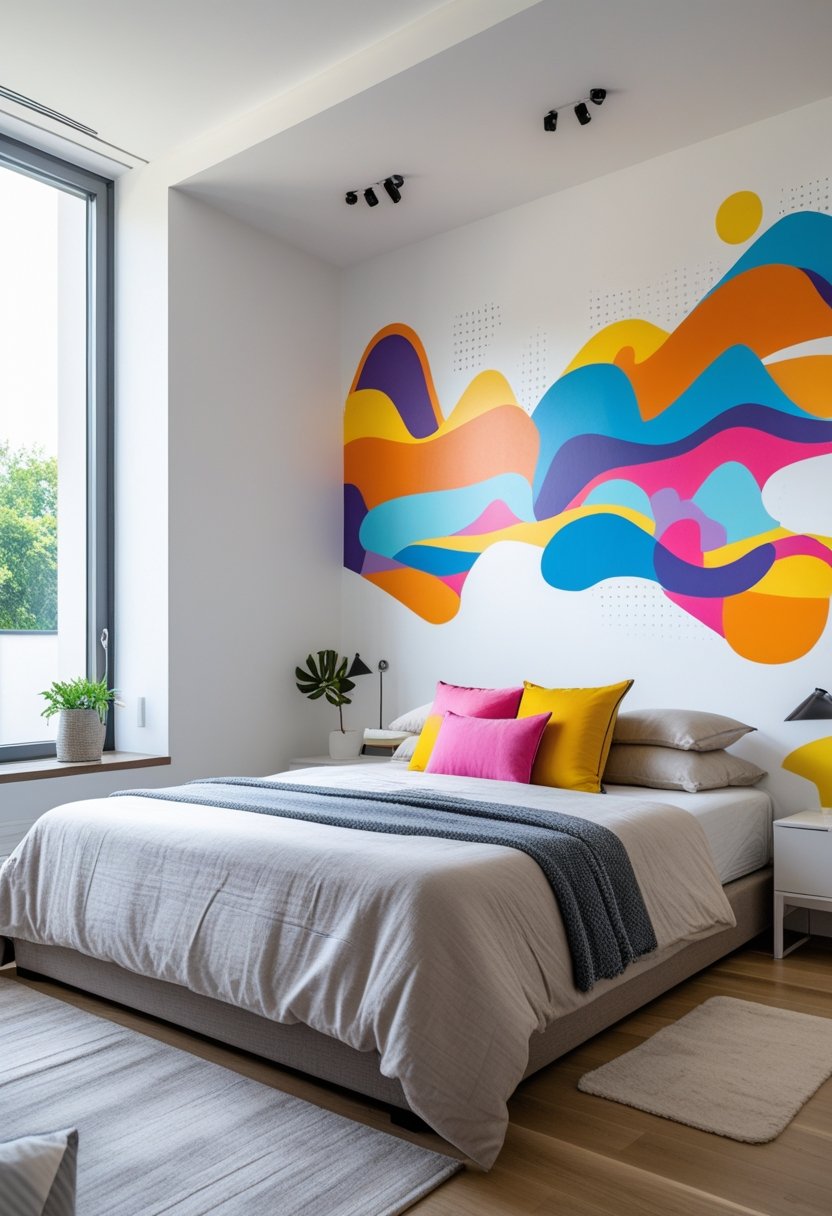
Wall murals transform bedroom walls into expansive canvases featuring landscapes, abstracts, or custom artwork. Murals introduce personality and thematic depth, visually expanding the room with large-scale detail.
They can be hand-painted, wallpapered, or created with decals. Subjects often draw from nature, fantasy, or geometric abstraction. Murals require careful planning regarding scale and placement to maintain balance with furniture and lighting.
Metallic Accents
Metallic accents incorporate reflective paints in gold, silver, bronze, or copper tones. These finishes add sophistication and subtle luminosity by catching light throughout the day.
Applied as stripes, panels, or detail work, metallic paints enhance texture and dimension without overwhelming the space. They pair well with neutral backgrounds and natural materials, perfect to elevate a room with understated luxury.
Creative Accent Walls to Elevate Visual Interest
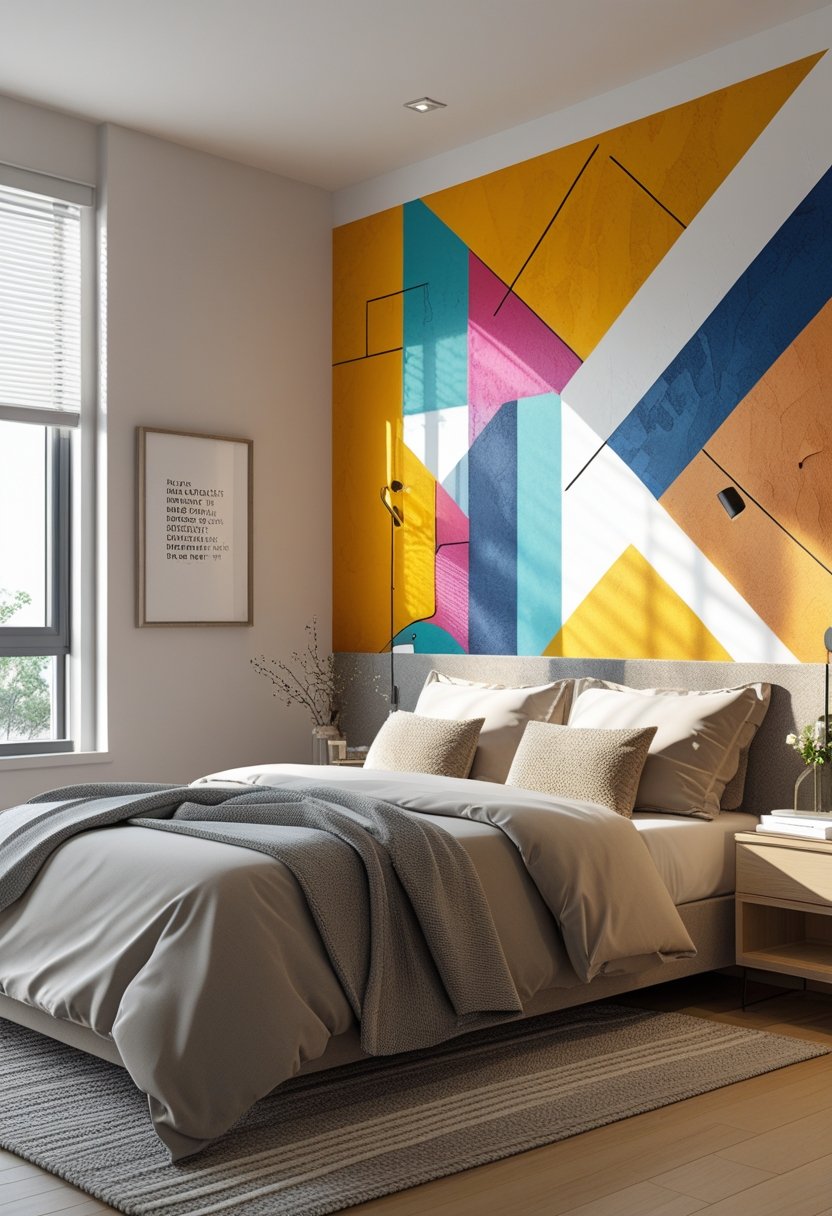
Accent walls can transform a bedroom by adding depth, contrast, and character to an otherwise simple space. Choosing the right approach can help define the room’s style and create a striking focal point without overwhelming the entire area.
Bold Accent Walls
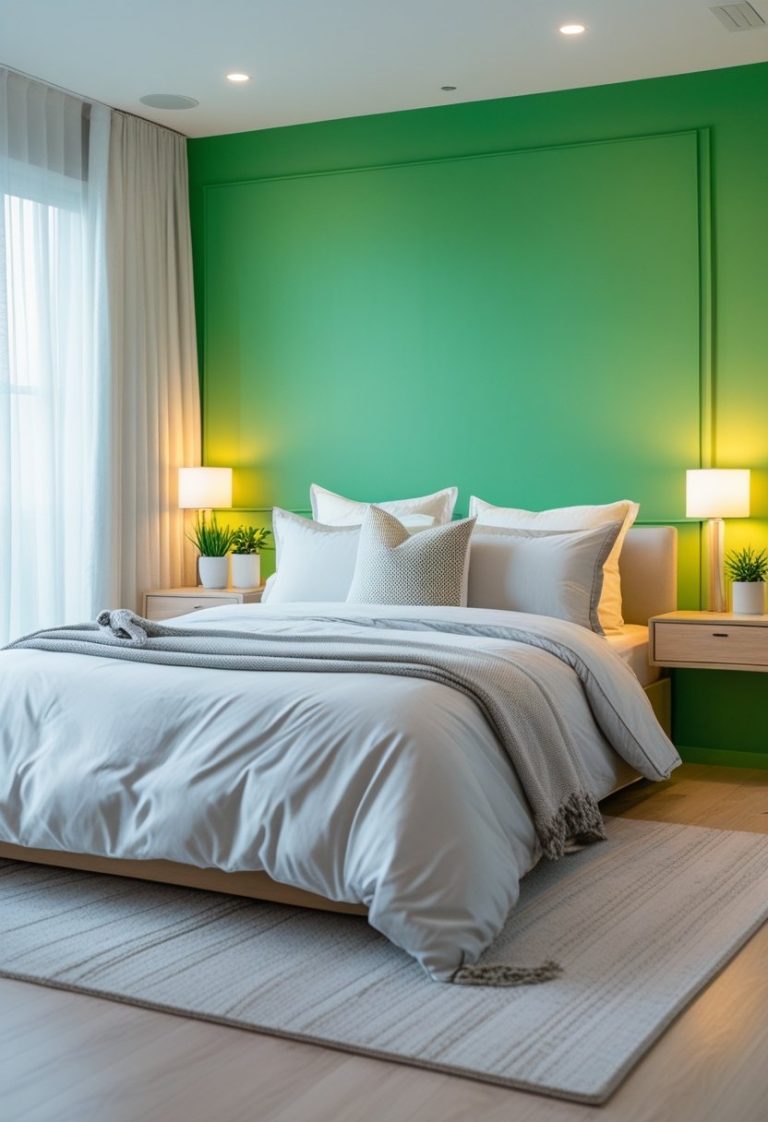
Bold accent walls use vibrant or deep colors to introduce drama and energy. Colors like navy blue, emerald green, or rich burgundy create a powerful backdrop that highlights furniture and decor.
Using a single bold color draws the eye naturally and makes the wall stand out. It works well behind a bed or a seating area. Matte or satin finishes enhance the color’s impact without becoming too shiny.
Careful placement is essential to avoid overpowering the room. This technique suits well-lit bedrooms where the color can be appreciated fully.
Color Blocking
Color blocking divides the accent wall into distinct sections using contrasting shades. It adds structure and modern art styles to the bedroom’s visual layout.
This method allows combining multiple colors while maintaining balance. For example, pairing muted tones with one bold color creates dynamic visual interest without clutter.
Color blocking can define separate areas on a wall, such as a reading nook or headboard space. The geometric shapes formed offer a clean, contemporary look that fits minimalist or eclectic decor.
Personal Touch
Personalizing an accent wall ensures the space reflects individual taste. This can be done through custom murals, stenciled patterns, or hand-painted designs.
Incorporating meaningful symbols, favorite colors, or unique textures—like wood panels or layered paint effects—adds depth beyond simple color. It encourages creativity and emotional connection to the room.
Personal touches also allow subtlety or boldness, depending on the chosen style. This approach gives the bedroom a sense of ownership and unique identity.
Striking Stripe Designs for Bedroom Walls

Stripe patterns can dramatically influence a bedroom’s atmosphere and perception of space. Different orientations and styles of stripes serve distinct purposes, from altering room dimensions to creating focal points. Choosing the right stripe design depends on room size, ceiling height, and overall aesthetic goals.
Vertical Stripes
Vertical stripes draw the eye upward, making ceilings appear taller and the room feel more spacious. This effect benefits bedrooms with low ceilings or compact layouts. Vertical lines can be narrow or wide, depending on whether subtlety or boldness is desired.
Using contrasting colors in vertical stripes enhances this heightening effect. For example, pairing light and dark hues can create depth without overwhelming the space. Vertical stripes also work well across entire walls or as partial accent features to maintain balance.
Horizontal Stripes
Horizontal stripes create a sense of width, making narrow bedrooms feel broader. They are ideal for elongating walls and adding a calming rhythm to the room’s decor. Width variation in stripes can influence the intensity of this widening effect.
Light, muted colors in horizontal stripes help maintain openness, while bolder shades add character. Horizontal stripes can be applied across all walls or restricted to a single focal wall for a more subtle impact. This style suits bedrooms aiming for a relaxed, stretched feel.
Striped Walls
Striped walls offer versatile options beyond simple vertical or horizontal lines. They can include zig-zag, varying-width stripes, or combinations of orientations to add visual interest. Customizing colors and stripe thicknesses allows for personal expression and room-specific adaptations.
Placement is crucial; stripes painted on a full wall create a strong statement, while partial wall stripes add delicate charm. Coordinating stripe colors with furniture and accessories ensures harmony. Consistency in stripe spacing and edge sharpness is important for a clean, professional look.
Inspiring Color Choices for a Calming or Cozy Atmosphere
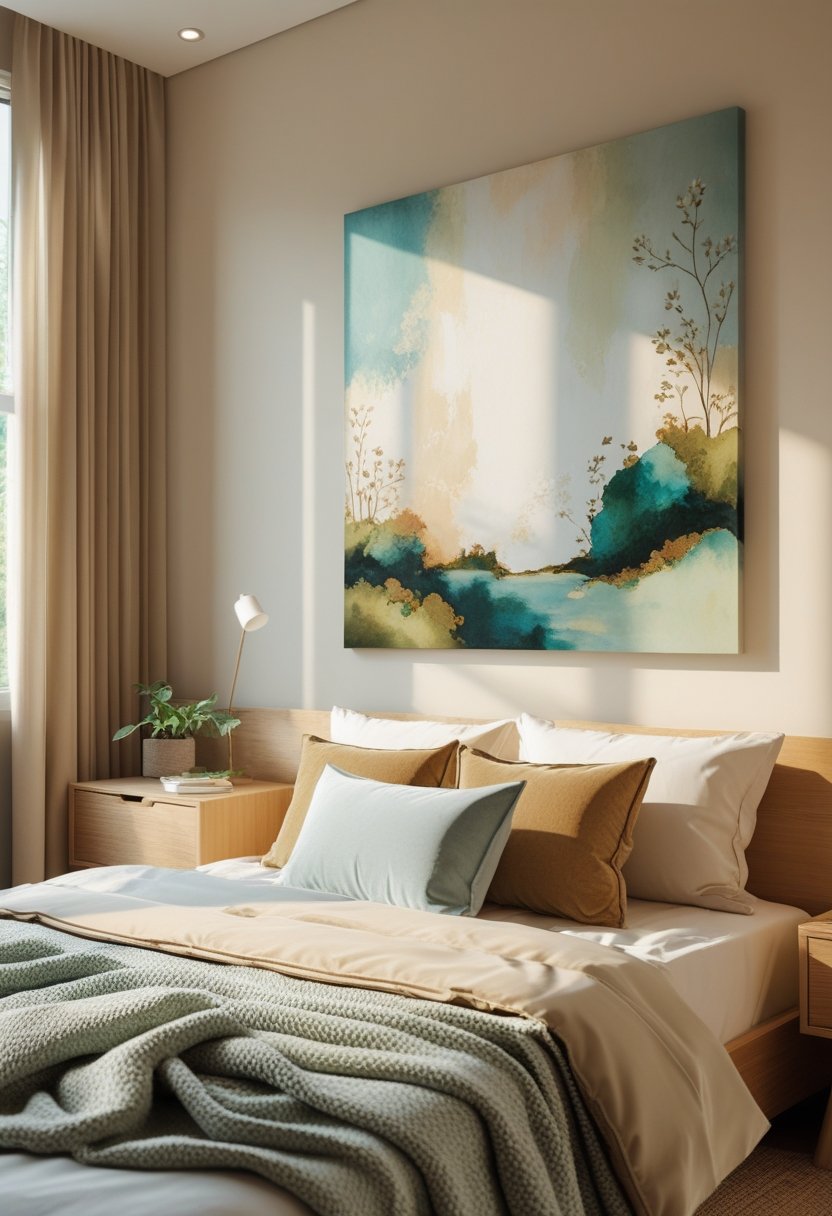
Choosing the right color can define the mood of a bedroom, influencing relaxation and comfort. Certain hues naturally create serenity, while others foster warmth and intimacy. The following color ideas focus on balancing tranquility with comfort through measured tones and shades.
Soft Pastel Hues
Soft pastel hues like pale blue, lavender, and mint green are popular for bedrooms due to their gentle presence. These colors reduce visual noise and gently soothe the senses, promoting relaxation.
They work well on walls or as accent colors. When paired with natural light, they amplify the room’s calmness without feeling cold or sterile.
Soft pastels combine well with white or light gray trims, enhancing the sense of space and airiness. These colors fit especially well in minimalist or Scandinavian-style interiors seeking understated elegance.
Calming Atmosphere
Colors tailored to a calming atmosphere often include muted blues, gentle greens, and balanced grays. Muted blue tones, such as sky blue or slate, evoke peaceful skies and waters, naturally hooking calm emotions.
Gentle greens connect to nature, fostering a quiet, refreshing feel in a room. Balanced grays offer neutrality, grounding the space without overwhelming it.
For a calming bedroom, the strategy is to avoid overly bright or intense colors and instead choose hues that soften the environment and encourage rest. These shades work well with natural wood or white furniture to maintain a tranquil setting.
Cozy Atmosphere
Warm neutral colors like beige, soft taupe, and warm white create a cozy atmosphere that feels inviting and snug. These hues add subtle warmth without being bold or distracting.
They pair effectively with darker accent colors such as black or deep brown to add depth and sophistication. The warm undertones activate a sense of comfort, making the bedroom feel like a restful retreat.
Incorporating textures, like plush rugs or linen curtains, with these warm colors enhances the tactile sense of coziness. This approach works well in traditional, rustic, or transitional styles seeking intimate, grounded spaces.
Chalkboard and Interactive Wall Ideas
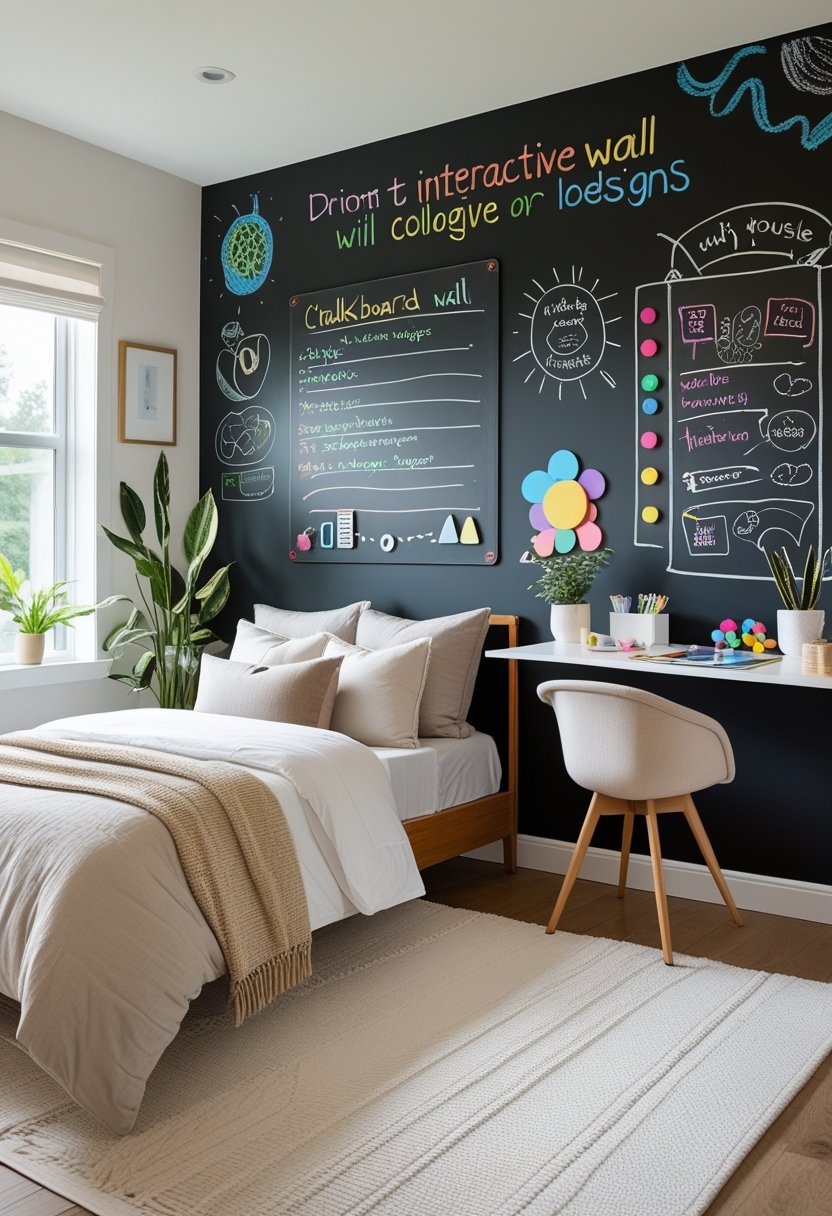
Walls that encourage creativity and function add a dynamic element to bedrooms. An interactive surface can serve as both decoration and practical space for notes, drawings, or reminders.
Chalkboard Wall
A chalkboard wall transforms part of a bedroom into a reusable canvas. It offers a large area to express ideas, leave messages, or create artwork.
This wall can be customized with various chalk colors to add vibrancy or mood. It’s ideal for those who want a flexible and interactive design feature. Guests or family members can contribute, making it a social and evolving element.
Chalkboard walls work well in kids’ rooms, inspiring learning and creativity through drawing or writing. For adults, it can function as an organizational tool for to-do lists or reminders while maintaining a decorative appeal.
Chalkboard Paint
Chalkboard paint is the key to creating these interactive walls. It is applied like regular paint but gives surfaces a matte, writable finish.
This paint can be used on an entire wall or smaller sections, depending on the desired impact. It adheres well to various materials including drywall, wood, and metal.
Chalkboard paint allows users to customize their space without permanent decorations. It supports frequent changes without damage, making it suitable for evolving styles or needs.
Easy to maintain, it requires only cleaning with a damp cloth to erase markings. Available in traditional black or colored variants, it allows for further personalization beyond standard chalkboard green or black tones.