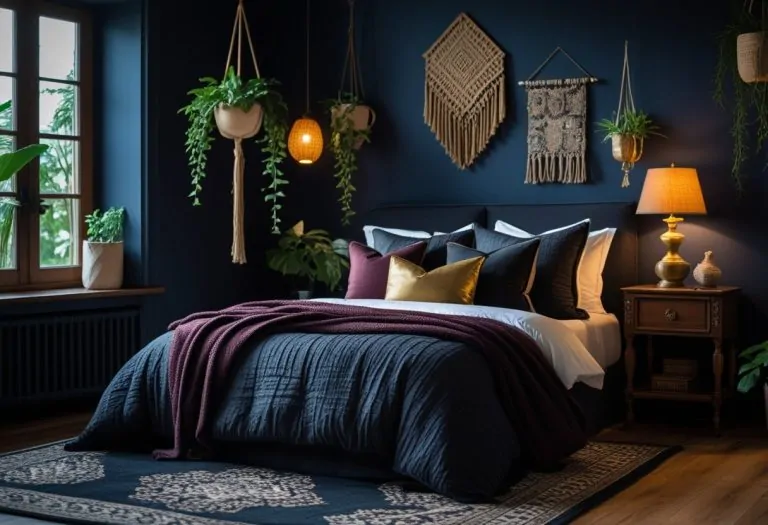

What’s the Impact of a Dark Blue Living Room Makeover?
Transforming a living room with dark blue can create a striking and cozy atmosphere that balances sophistication and comfort. Dark blue walls or accents bring depth and a sense of calm, making the space feel both inviting and stylish. This transformation often involves layering textures, incorporating complementary furniture, and carefully choosing lighting to highlight the rich tones.
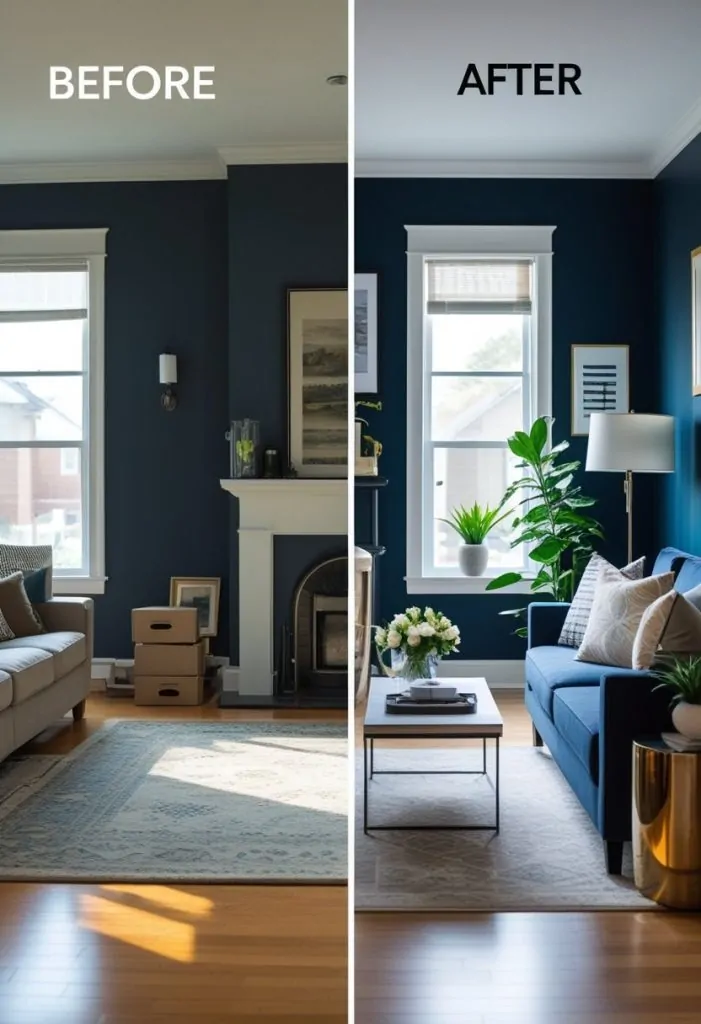
A dark blue living room makeover can revitalize a tired or uninspiring space by turning it into a bold yet restful retreat. Whether applied on walls, furniture, or decor, dark blue adds character without overwhelming the room. Seeing before and after examples reveals how thoughtful design choices unlock the true potential of this versatile color.
The impact is especially clear in rooms that started plain or outdated, where dark blue becomes a transformative tool to elevate the overall look and feel. It’s an option for various styles, from modern to traditional, proving that dark blue is more than just a color—it’s a key element in smart interior design.
Transformation Stories: Before & After of Dark Blue Living Rooms

Dark blue living rooms show dramatic shifts from dull to inviting environments. These transformations often balance mood, lighting, and personalized decor, resulting in spaces that feel both cozy and stylish.
Notable Room Makeovers and Results
Several transformations highlight how dark blue can redefine a living room’s character. One common change involves applying navy or deep blue paint to walls, which adds depth without overwhelming the space. When combined with warm wood accents and soft lighting, the room becomes a relaxing retreat rather than a gloomy space.
Furniture arrangements also shift during these makeovers. Swapping out bulky, dark leather sofas for lighter or textured fabrics can add contrast and soften the overall look. In some cases, introducing eclectic accent pieces and neutral rugs balances the strong color, avoiding monotony.
Common Challenges and Solutions
Dark blue rooms often face issues with natural light, especially in east- or north-facing spaces. Painting walls white to increase brightness can lead to a flat and sterile feel in these rooms. Instead, owners solve this by using multiple layered light sources and warm wood tones to counterbalance low light.
Another challenge is the risk of making the room feel cramped. Choosing the right paint finish, such as matte or eggshell, helps reduce glare and reflections, maintaining visual comfort. Additionally, rearranging furniture to open pathways and prevent crowding contributes to an airy atmosphere despite the darker walls.
Personalizing the Makeover Process
Personal taste plays a critical role in how a dark blue living room makeover unfolds. Some choose to pair blue with soft neutrals for a calm, cohesive vibe. Others incorporate bold, vibrant colors or metallic accents to add energy and style.
Involving texture is essential—velvet cushions, woven throws, and wood finishes create layers that make the space inviting. Homeowners also often select art, lighting fixtures, and storage pieces that reflect personal interests and lifestyles, ensuring the room supports both function and comfort.
Color Impact: The Influence of Dark Blue on Living Room Style

Dark blue changes the look and feel of a living room by setting a specific tone. It shapes the room’s mood, interacts with other colors, and requires thoughtful lighting strategies to highlight its depth without making spaces feel too heavy or dim.
Creating Mood and Atmosphere
Dark blue is often chosen for its calming and enveloping qualities. It can evoke a sense of tranquility, making a living room feel like a restful retreat, especially suited for evening use or quiet relaxation.
The color’s intensity can foster a “cocooning” effect, making large rooms feel cozier and small rooms feel more intimate. This mood appeals to those seeking comfort through design without overwhelming brightness.
Balancing dark blue walls with soft textiles or plush furniture adds to this sense of calm while preventing the space from feeling cold or stark. This color works well in spaces intended for reading, watching TV, or hosting low-key gatherings.
Pairing With Complementary Hues
Dark blue pairs well with a variety of colors that can modify its mood or energy. For a balanced look, lighter neutrals like whites, greys, or beige soften the intensity and create contrast.
Accent colors such as rich pinks, golds, or brass offer warmth and a touch of luxury alongside dark blue. These tones can appear in throw pillows, rugs, or art to break up the depth of the blue.
Blue-gray combinations on walls and textiles form a monochromatic palette that feels elegant and modern. For bolder living room ideas, stripes or geometric patterns in blues mixed with whites or blacks add graphic visual interest without clutter.
Maximizing Light with Dark Tones
Dark blue can reduce the perceived natural light in a room if not balanced properly. Using reflective surfaces like mirrors or metallic accents helps bounce existing light around the space.
Layered lighting is essential: combining overhead lights, floor lamps, and table lamps ensures even illumination and highlights different areas effectively.
Choosing a dark blue with subtle blue-gray undertones can keep the room feeling open while retaining depth. Rugs with ombre effects or lighter edges can visually expand the floor area and prevent heaviness.
Overall, strategic lighting and color pairing allow dark blue to enhance a living room’s style without sacrificing brightness or comfort.
Essential Furniture for a Dark Blue Living Room
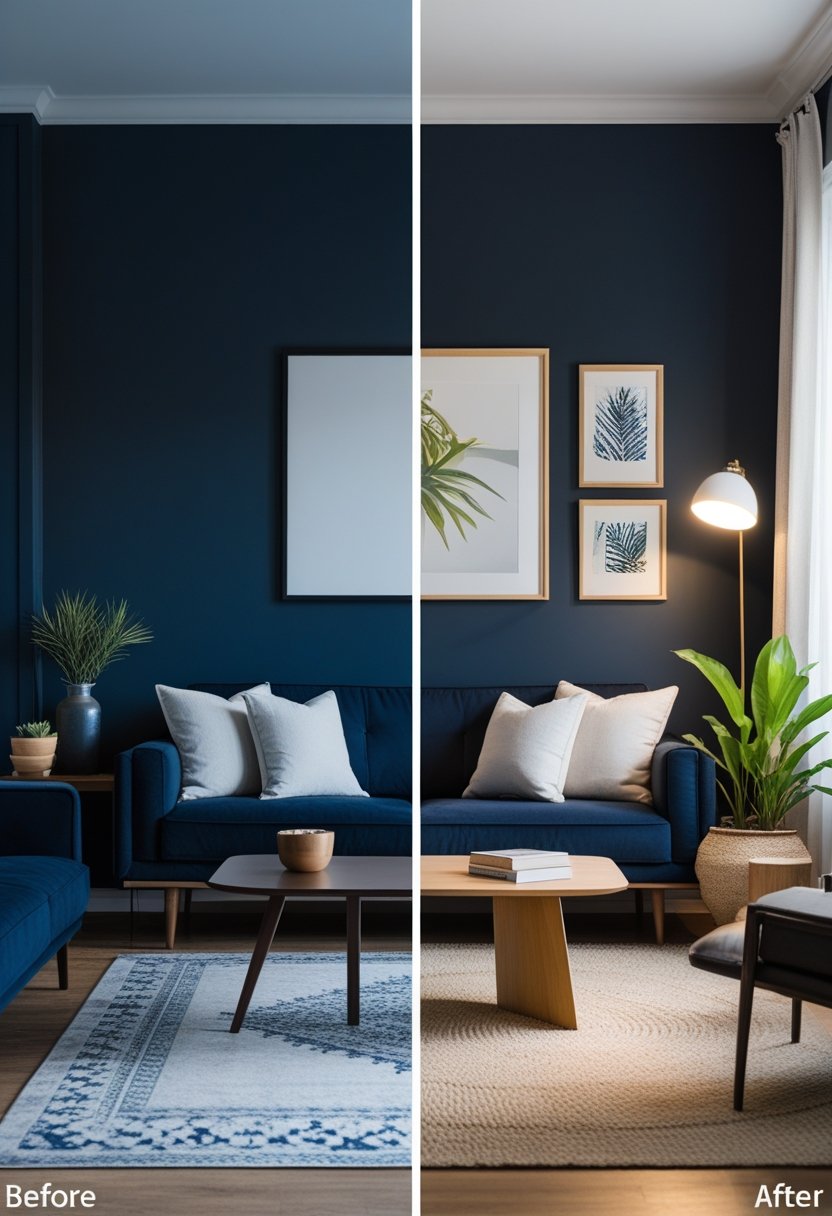
A dark blue living room benefits from furniture that balances depth with contrast and functionality. Selecting pieces that complement navy or midnight blue walls ensures the room feels inviting and well-coordinated without overwhelming the senses.
Choosing the Right Sofa
The sofa is the centerpiece of the living room and should provide both comfort and style. Light or neutral colors like beige, cream, or soft gray contrast well with dark blue walls, preventing the space from feeling too heavy. Fabrics such as linen or velvet add texture and richness, enhancing the sophisticated atmosphere.
A mid-century modern or streamlined design works best to keep the look clean and elegant. If the room is large, a sectional with clean lines can define the seating area. Adding throw pillows in complementary hues like gold, white, or muted pastels introduces visual interest without clashing.
Coffee Tables and Ottomans
Coffee tables should offer functionality while complementing the dark tones surrounding them. Materials like glass, light wood, or metal in brass or silver finishes contrast nicely with dark blue. Glass-topped tables keep the space feeling open and reduce visual weight.
Ottomans serve dual purposes—extra seating and a surface for trays. Choose upholstered ottomans in soft natural fabrics or leather, which soften the intense blue color. Round or oval shapes can break up sharp angles, adding flow and balance to the room.
Selecting Side Tables and Accent Furniture
Side tables should provide practical surfaces but also elevate the room’s design. Look for pieces that incorporate metal frames or mirrored finishes to add a reflective quality, brightening the space. Small wooden side tables in light or warm tones work well in creating subtle contrast.
Accent furniture like shelving units, stools, or console tables should be minimal and functional. Natural materials such as wood or woven textures introduce warmth. Metallic accents in gold, brass, or silver add sophistication and complement the deep blue background without overpowering it.
Functional Design: Layout and Key Furnishing Pieces

Effective placement and selection of furniture are essential to making a dark blue living room both visually appealing and practical. Focused positioning of media centers, storage units, and designated areas enhances usability and flow within the space.
Arranging TV Stands and Media Centers
Position the TV stand where it creates a natural focal point without overwhelming the room. In dark blue living rooms, media centers often benefit from contrasting lighter tones or natural wood finishes to balance the deep hues.
Clear sightlines are critical. Avoid placing the TV near windows to reduce glare. Opt for stands with built-in storage to keep remotes, cables, and devices organized. For a sleek look, choose low-profile or wall-mounted units that complement the room’s style.
Utilizing Bookcases and Storage
Bookcases add vertical interest and provide essential storage in a dark blue setting. Select units in neutral or light colors to contrast the walls or furniture, creating a balanced visual effect.
Use open shelving for curated décor items and closed cabinets for clutter concealment. Built-in or freestanding bookcases should be placed against a wall that does not compete with the main seating area, maintaining an unobstructed flow.
Creating Distinct Living and Family Spaces
Defining separate zones in a combined living and family room clarifies function and enhances comfort. Use area rugs or furniture arrangement to demarcate spaces clearly.
Incorporate versatile furniture pieces like modular sofas or ottomans that can adapt to different activities. Placing a console table or shelving unit between zones can act as a subtle divider without closing off the space.
Attention to how furniture interacts with pathways ensures smooth movement between areas, avoiding overcrowding and maintaining openness within the dark blue palette.
Lighting and Focal Points in Dark Blue Spaces

Dark blue living rooms benefit from thoughtful lighting and focal elements that balance depth with brightness. Strategic lighting enhances the richness of dark tones while key features like fireplaces and gallery walls anchor the room visually.
Using Chandeliers and Feature Lighting
Chandeliers provide a central source of light that can soften or amplify the mood in a dark blue living room. Choosing a chandelier with metallic finishes, such as brass or matte black, creates contrast without overwhelming the space.
Incorporating adjustable or dimmable fixtures allows for control over light intensity, making the room versatile for different times of day. Accent lights, like wall sconces or floor lamps, complement the chandelier and highlight textures or architectural details on dark walls.
Fireplace and Mantel Transformations
A fireplace framed by a dark blue wall becomes a natural focal point. Refinishing the mantel in lighter tones or rich wood grains can break up the dark background, providing visual balance.
Adding simple décor, such as candles, metallic vases, or art pieces, to the mantel draws attention without clutter. For a modern touch, integrating spotlighting above the fireplace casts warm, inviting light, emphasizing the hearth against the deep blue backdrop.
Designing Gallery Walls and Art Displays
Gallery walls stand out strongly on dark blue walls when curated with careful contrast. Frames in white, gold, or natural wood highlight artwork and prevent the display from blending into the background.
Art with light or bold colors is essential to ensure visibility and impact. Using individual picture lights or track lighting focuses attention squarely on the gallery, drawing the eye and activating the surrounding space with targeted illumination.
Styling and Decor Enhancements

Dark blue living rooms benefit from carefully chosen accents and functional furniture that add both style and practicality. Strategic decor items and entertaining features help balance the deep tones and achieve a polished look.
Incorporating Home Decor Accents
Adding decor accents in metallics like gold or brass complements dark blue walls or furniture by introducing contrast and a subtle shine. Throw pillows and rugs in lighter shades of blue or neutral tones soften the space and prevent it from feeling too heavy.
Layering textures—such as velvet cushions, silk curtains, or woven throws—creates depth and interest. Artwork and decorative objects in white or pastel hues also elevate the room without competing against the dominant dark blue.
Plants or greenery add freshness and a natural element, breaking up the intensity of dark blue and contributing to a balanced ambiance.
Bar Carts and Entertaining Features
A bar cart in a metal finish, such as chrome or matte black, works well against dark blue walls, making it a stylish focal point. Opt for carts with clean lines to keep the look modern and sophisticated.
Including glassware, decanters, and cocktail tools on display adds function and an inviting vibe for guests. Small trays or coasters in complementary colors help organize the essentials and highlight the cart’s aesthetic.
Positioning the bar cart near seating areas encourages social interaction and enhances the room’s usability without overwhelming the decor.