Cozy Home Library with Sunlight, Books & Task Lighting
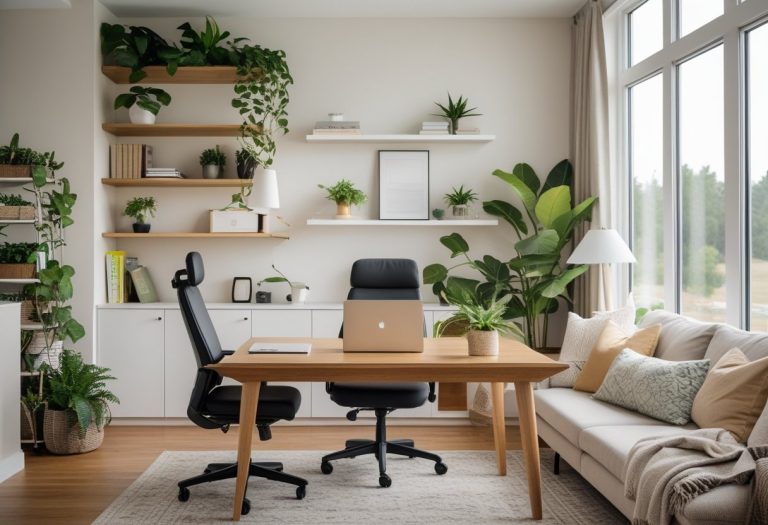
A cozy and elegant home library creates the ideal reading retreat where comfort meets style. Tall wooden bookshelves filled with books line the walls, offering both storage and a warm, inviting atmosphere. Natural sunlight streams in through a large window, enhancing the space with bright, soft daylight that makes reading more enjoyable.

A comfortable reading chair paired with a sleek desk and task lighting from a desk lamp completes this thoughtful setup, providing an efficient yet relaxing environment for focused reading or work. Warm wood tones throughout the room balance the daylight, making the space feel welcoming and conducive to long hours of reading or study. This combination of elements defines a home library designed for both function and comfort.
Designing a Cozy and Elegant Home Library

Creating a home library that balances comfort and sophistication requires thoughtful decisions about location, lighting, and materials. Incorporating natural light, rich wood tones, and practical furniture enhances usability while maintaining a warm atmosphere. Each detail contributes to a space designed for reading and quiet focus.
Choosing the Ideal Location
Selecting the right spot for the home library is essential. A quiet area away from high-traffic zones reduces distractions and supports concentration. Placing the library near a large window benefits from daylight, which promotes alertness and comfort while reading.
The space should accommodate tall bookshelves and allow enough room for a comfortable chair and desk. Measuring ceiling height is important for floor-to-ceiling shelving, ensuring maximum storage without overwhelming the room. Accessibility to electrical outlets is also key for task lighting and device charging.
Maximizing Natural Light With Large Windows
Large windows enable natural sunlight to fill the room, creating an inviting environment for reading. Position the desk and seating near the window to benefit directly from daylight. This reduces reliance on artificial lighting during the day while maintaining clear visibility.
It is important to control glare with window treatments such as light-filtering curtains or blinds. This preserves soft daylight without harsh reflections on book pages or screens. The balance of natural light supports mood, reduces eye strain, and highlights the textures of wood and books.
Selecting Warm Wood Tones and Finishes
Warm wood tones bring richness and a natural element into the library, creating a feeling of comfort and elegance. Dark or medium woods like walnut or cherry offer visual depth and match well with soft daylight streaming through windows.
Choosing finishes with subtle matte or satin sheens avoids glare and enhances the wood’s texture. Bookshelves crafted from solid wood contribute durability and timeless appeal. Combining these tones with neutral or earthy wall colors anchors the space and complements both the wood and natural light.
Incorporating Tall Wooden Bookshelves

Tall wooden bookshelves anchor the home library’s design and storage capacity. Choosing the right configuration and accessibility features can maximize both functionality and elegance in the space. Balancing custom installations and movable elements creates a tailored reading environment.
Floor-to-Ceiling Configurations
Floor-to-ceiling bookshelves use wall space efficiently, providing ample storage for large collections. They create a continuous, unified look that enhances a room’s architectural presence. These shelves are often custom-built to fit exact wall dimensions, allowing for consistent wood tones and seamless integration with other wood elements like paneling.
This installation style supports varied shelf heights to accommodate different book sizes or decorative pieces. It also encourages vertical organization, using every inch from floor to ceiling, increasing storage without sacrificing floor space. Careful planning ensures the structural support for heavier volumes and prevents sagging.
Rolling Ladders and Accessibility
A rolling ladder adds practical access to upper shelves, especially in libraries with floor-to-ceiling installations. It combines functionality with a classic aesthetic, matching the wood finish of the shelves for a cohesive look. This feature is essential when the higher shelving is out of safe reach.
Ladders are typically mounted on a rail system that allows smooth movement along the bookshelf length. They can be designed with safety features such as non-slip steps and ergonomic handrails. Aside from accessibility, they emphasize the library’s traditional charm while making every shelf usable.
Built-In vs. Freestanding Shelving
Built-in shelving offers a permanent, custom solution that integrates with the room’s architecture. It often includes details like trim and molding, matching other wood finishes to create a polished, elegant appearance. Built-ins maximize space usage and can be designed to accommodate lighting or additional storage options.
Freestanding wooden bookshelves provide flexibility and repositioning ease. They are ideal for renters or those who want to change room layouts frequently. While less seamless in appearance, tall freestanding shelves come in various styles and finishes, making them versatile options for different decor themes.
| Feature | Built-In Shelving | Freestanding Shelving |
|---|---|---|
| Custom Fit | Yes | No |
| Architectural Detail | High | Low |
| Flexibility | Low | High |
| Installation | Permanent, professional recommended | Easy, DIY possible |
| Cost | Typically higher | Usually lower |
Essential Furniture for Comfort and Function

Creating a cozy and functional home library requires careful selection of key furniture pieces. Prioritizing comfort and practicality ensures the space supports both focused reading and relaxation. Attention to seating and desk choices directly influences the overall usability and ambiance.
Choosing a Comfortable Reading Chair
A chair suited for long reading sessions must balance support and softness. A plush armchair upholstered in durable fabrics such as velvet or high-quality leather offers both comfort and style. It should have a supportive back and cushioned seat to reduce fatigue.
The chair’s size should fit the room without overwhelming the space. Positioning it near the large window maximizes natural daylight exposure, enhancing the reading experience. Features like wide armrests or a reclining function can improve relaxation.
A comfortable chair anchors the reading nook, inviting extended use. It’s best paired with a nearby soft throw or cushion for added warmth during colder months. The goal is to create a seating option that encourages immersion in books without physical strain.
Selecting an Elegant Desk and Ergonomic Placement
A sleek desk complements the room’s tall wooden bookshelves and large window setup, combining form with function. The desk surface should be spacious enough for note-taking, a reading lamp, and occasional laptop use.
Ergonomic placement is key: situating the desk so it benefits from natural sunlight helps reduce eye strain. A desk placed perpendicular to the window often works well, avoiding glare while maximizing daylight.
Material choice matters. A wooden desk with a smooth finish matches the warm wood tones of the shelves, sustaining a cohesive aesthetic. Effective task lighting, such as a slim desk lamp with adjustable brightness, supports focused reading or work without harsh shadows.
The combination of elegant design and practical ergonomics makes the desk a central part of the reading space, enhancing both comfort and productivity.
Optimizing Lighting for Ambience and Task

Lighting in a home library must balance functional task illumination with a comfortable, inviting atmosphere. Using natural daylight alongside carefully chosen lamps enhances both the usability and warmth of the space. Combining targeted task light with ambient sources creates a layered effect suitable for reading and relaxing.
Utilizing Daylight for a Welcoming Atmosphere
Natural sunlight from a large window provides soft daylight that illuminates the room without harshness. Positioning the reading chair and desk near the window maximizes this light, reducing the need for artificial lighting during the day.
Soft daylight enhances warm wood tones of bookshelves, making the room feel open and cozy simultaneously. It also helps prevent eye strain by providing even illumination. Careful use of light-filtering curtains or blinds can control glare while maintaining brightness levels throughout the day.
Selecting Sleek Desk Lamps and Table Lamps
A sleek desk lamp provides focused task lighting essential for reading, writing, or working. Its adjustable features allow for directing light precisely where needed, reducing shadows on the desk surface.
Choosing desk lamps with warm white bulbs balances visibility and comfort. Materials like brass or metal offer durability and add subtle elegance. Table lamps placed on nearby surfaces supplement lighting without overpowering the space, especially when paired with warm glow bulbs.
Integrating Warm and Ambient Lighting
Ambient lighting should create a soft, inviting glow to complement natural and task lighting. Warm lighting elements like vintage lamps or brass light fixtures add texture and style to the room.
Soft lighting tools such as string lights or dimmable lamps can enhance the atmosphere without competing with task lights. Layering these sources ensures the library remains functional while maintaining cozy warmth throughout the day and evening.
Adding Personal Touches and Decor

Personalizing a home library involves selecting elements that enhance comfort and reflect individual taste. Thoughtful choices in greenery, art, and textiles contribute to an environment that invites both relaxation and focus.
Incorporating Plants and Natural Accents
Bringing green plants into the space adds life and freshness. Potted plants placed near the large window benefit from natural sunlight, ensuring healthier growth and a vibrant atmosphere.
Choosing varied sizes—from small succulents on the desk to taller leafy plants on the floor—creates visual interest while maintaining balance. Natural accents, such as wooden planters or stone pots, complement the warm wood tones of the bookshelves and enhance the library’s organic feel.
The presence of plants also improves air quality, making time spent reading more pleasant and restful without overwhelming the room’s design.
Displaying Art and Eclectic Accessories
Incorporating art pieces allows expression of personal style and enriches the library’s character. Framed prints or vintage artwork hung on adjacent walls complement the tall wooden shelves and add depth to the space.
Eclectic decor items, such as antique bookends, globes, or pottery, break the monotony of rows of books. These pieces should be carefully curated to avoid clutter but placed in visible areas like shelf corners or atop the desk.
Such accessories balance classic elegance with a lived-in, curated look that reflects the owner’s interests and experiences.
Using Colorful Pillows and Rugs
Textiles like colorful pillows and patterned rugs contribute warmth and comfort. Pillows placed on the reading chair or a window seat provide both support and visual contrast, especially when selected in soft earth tones or muted patterns.
A rug with subtle patterns grounds the room and ties together the wooden furniture and bookshelves. It also dampens sound, creating a quieter, more intimate setting for reading.
Selecting colors that complement the existing wood tones ensures a cohesive, inviting atmosphere without distracting from the library’s overall elegance.
Creating Distinctive Features for a Luxurious Library

A luxurious home library stands out when it includes thoughtful design elements that enhance both its function and atmosphere. Consider features that invite relaxation, add warmth, and elevate the space’s overall elegance.
Integrating a Fireplace for Rustic Charm
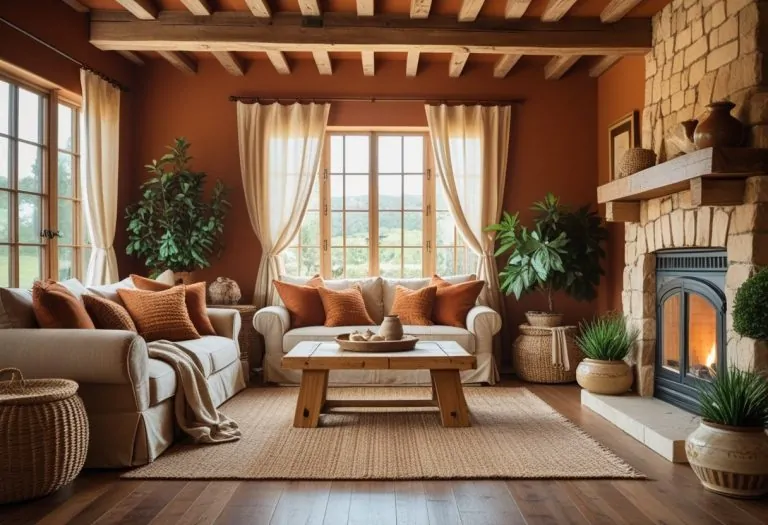
A fireplace brings a natural focal point and warmth to a home library. Opting for a stone or brick surround can introduce rustic charm that complements wooden bookshelves and rich wood tones.
The gentle flicker of flames boosts the cozy ambiance, making the room feel inviting year-round. A well-placed mantle can display curated pieces like antique clocks or framed prints, adding personality without cluttering the space.
This feature also provides practical warmth, allowing the library to serve as a comfortable retreat during colder months. Proper ventilation and safety considerations ensure it stays both attractive and functional.
Designing a Cozy Reading Nook or Library Nook
A cozy reading nook creates a personal sanctuary within the larger library space. This might include a plush armchair or window seat paired with soft cushions and layered rugs to enhance comfort.
Strategically placing the nook near a large window allows natural light to flood the area, improving reading conditions and connecting the occupant with the outdoors. Including a small side table or adjustable floor lamp ensures adequate lighting during evening hours.
The nook’s scale should suit the room, avoiding overcrowding while providing enough space for long reading sessions. This focused area enhances the library’s usability and appeals to those seeking quiet respite.
Highlighting With Chandeliers and Unique Fixtures
Elegant chandeliers add sophistication and serve as a visual anchor in a luxurious library. Choosing fixtures with warm-toned metals or crystal elements can harmonize with the room’s wood and leather accents.
Beyond chandeliers, unique lighting fixtures such as brass wall sconces or task lamps on the desk contribute layers of light that balance functionality and style. Adjustable brightness is essential to cater to different times of day and reading preferences.
Selecting statement pieces requires considering scale relative to the room to prevent overwhelming the space. Lighting plays a key role in reinforcing the library’s refined and welcoming atmosphere.
Practical Ideas for Storage and Multifunctional Space

Efficient storage and the ability to adapt a home library for multiple uses enhance its functionality. Combining thoughtful organization with design choices can create a space that supports both reading and productivity without feeling cluttered.
Organizing Books With White and Dark Shelves
Using white shelves alongside sections of dark wood paneling creates visual contrast and helps categorize books by type or theme. White shelves work well for brightening the space and highlighting colorful book spines.
Dark wood sections add depth and warmth, complementing the overall elegant aesthetic. Books can be arranged by size, genre, or author to maximize shelf space and ease of access. Incorporating adjustable shelving allows flexibility for changing collections.
Open and closed shelving options help control clutter. Closed cabinets or drawers beneath shelving provide hidden storage for smaller items, like stationery or reading accessories, maintaining a tidy appearance.
Transforming Spaces Into Home Offices
Integrating a home office area within the library maximizes space use, especially when paired with a functional desk and task lighting like a sleek desk lamp. The desk should offer enough surface for writing or using a laptop without sacrificing room to store essential office supplies.
Using vertical storage such as wall-mounted shelves or tall bookcases keeps the floor clear and provides ample storage for both books and office materials. A comfortable reading chair that doubles as office seating supports long hours of use.
Clear zoning between the reading and working areas can be achieved with rugs or furniture placement, maintaining a multifunctional space that balances relaxation and productivity.
Blending Minimalism With Classic and Vintage Styles
A minimalist approach in a home library can coexist with classic and vintage elements by focusing on clean lines and limited color palettes while incorporating rich, wood paneling. This balance preserves warmth and character without overwhelming the space.
Minimal shelving paired with vintage accents like an antique desk or leather-bound books makes the room feel curated, not crowded. The use of neutral tones on walls and shelves with selective wooden details emphasizes structure and simplicity.
Keeping decorative items sparse and purposeful allows the library to maintain an elegant, uncluttered appearance. Lighting choices should be subtle but effective, enhancing both the classic charm and minimalist clarity.