
Cozy Colorful Thrifted Living Rooms with Vintage Flair
A vertical collage-style Pinterest graphic captures the charm of cozy, colorful, and eclectic living rooms decorated with thrifted finds. Each small photo in the layout showcases uniquely styled spaces featuring secondhand furniture, vintage items, bold color choices, and creative décor accents. This approach highlights how everyday pieces can come together to create warm and inviting atmospheres.
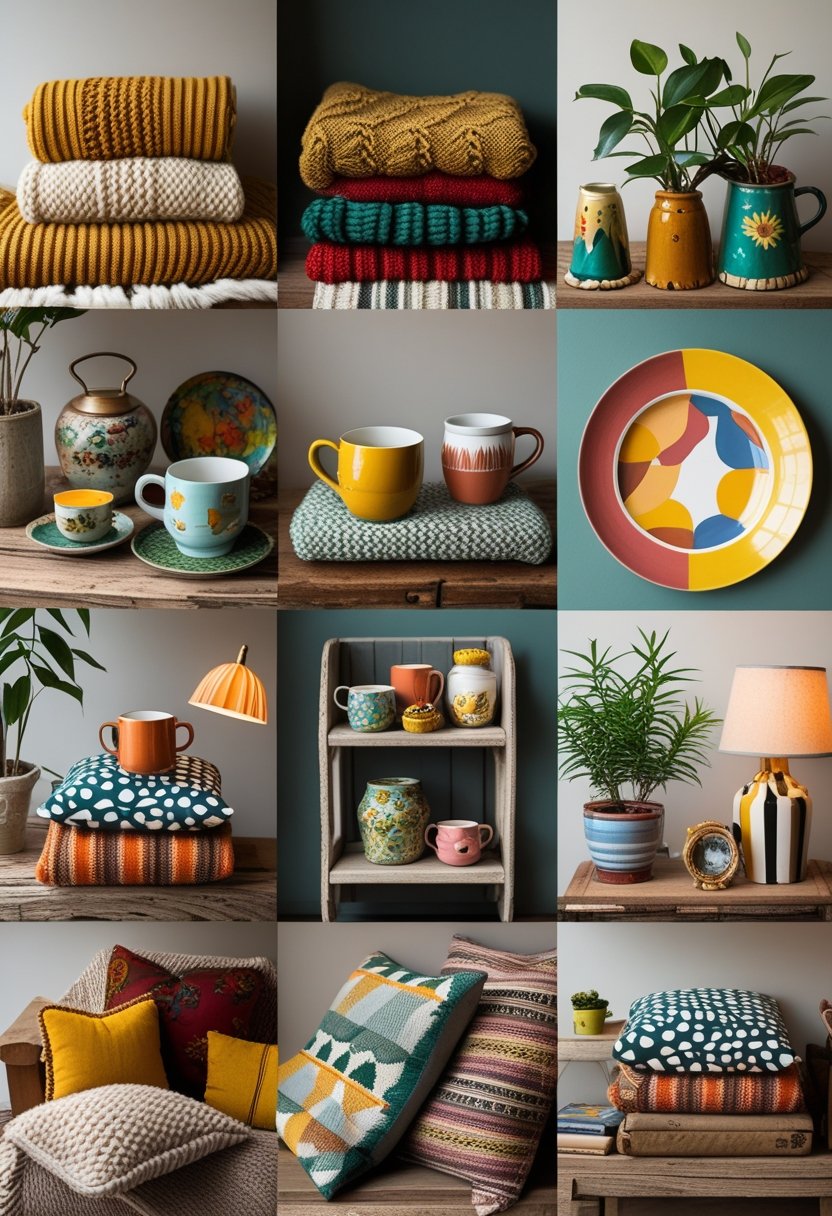
The key takeaway is that thrifted and vintage items can transform living rooms into stylish, personality-filled environments without requiring a large budget. The graphic visually communicates the potential of secondhand furniture to bring individuality and comfort into a space. The mix of patterns, textures, and artistic touches combines to form an inspiring example of budget-friendly interior design.
This collection appeals to those interested in sustainable decorating and creative styling. By focusing on curated thrifted pieces, the graphic encourages viewers to rethink how secondhand items contribute to a cohesive and vibrant living space.
Concept of Vertical Collage-Style Pinterest Graphics

Vertical collage-style Pinterest graphics combine multiple images into a single, elongated composition that maximizes visual interest and storytelling. These collages allow for diverse photo arrangements that highlight unique design elements like thrifted furniture and vibrant décor.
Defining Vertical Collages
Vertical collages arrange images in a column or strip format, emphasizing height over width. This style is ideal for showcasing multiple elements in a linear, easy-to-scroll sequence, often including small photos that maintain viewer engagement while delivering detailed content.
In a vertical photo collage, images are typically stacked or alternated with spacing, color blocks, or borders to create structure. This approach is useful for displaying eclectic collections, such as different thrifted living rooms, where each photo tells a part of the story without overwhelming the viewer.
Why Pinterest Prefers Vertical Graphics
Pinterest favors vertical graphics due to their optimized display on mobile devices and their ability to capture attention in a scrolling feed. Vertical images take up more screen space, increasing the likelihood users will stop and engage.
The platform’s layout encourages vertical collages because they organize content neatly and allow layering of text or icons without clutter. This enhances usability and helps users quickly grasp the theme or message, making vertical collages effective tools for visual storytelling and inspiration.
Photo Collage Inspiration for Living Rooms
Photo collages for living rooms often use vertical formats to showcase varied décor from multiple angles or settings. These collages highlight secondhand furniture and vintage touches through a mix of close-ups and full-room views, emphasizing creativity and affordability.
Inspiration comes from combining bold colors, mixed textures, and unique décor accents within a coherent layout. Each small image contributes to a narrative, showing how eclectic and budget-friendly design can transform any living space with personality and warmth.
Designing Eclectic Thrifted Living Room Collages

Creating a vertical collage-style Pinterest graphic requires careful photo selection, an emphasis on key furniture choices, and a focus on color and décor details. Each image should convey a distinct aspect of eclectic thrifted living rooms, combining texture, pattern, and personality cohesively. Attention to how these elements interact visually will elevate the collage’s impact.
Selecting Photos for Maximum Impact
Photos chosen for an eclectic thrifted living room collage should reflect diverse yet harmonious styles. Images featuring a variety of angles, lighting conditions, and room layouts add depth and interest. Prioritize shots that highlight distinctive thrifted finds alongside modern elements to emphasize contrast.
Close-ups of unique details, like vintage textiles or handcrafted décor, are important. Including wide shots alongside these close-ups ensures viewers understand the overall space and how individual items fit together. Consistency in photo quality and resolution helps maintain a polished look.
Showcasing Secondhand Furniture and Vintage Pieces
The collage should clearly demonstrate how secondhand furniture transforms a room. Select images highlighting eclectic seating, reclaimed wood tables, and retro storage units. Pieces with visible character, like worn finishes or original hardware, provide authenticity and visual texture.
Pair vintage items with contemporary décor for balance. Showcasing before-and-after examples or styled groupings can illustrate successful mixing techniques. Emphasize how functional and stylish these finds are, reassuring viewers that budget-friendly choices can be both practical and design-forward.
Highlighting Bold Colors and Artsy Décor Accents
Bold colors and artistic accents define the collage’s visual energy. Photos featuring statement wall colors, patterned rugs, and colorful throw pillows grab attention. Layering patterns thoughtfully—florals with geometrics, for example—shows how to create a lively, eclectic ambiance.
Artisanal decorations like handmade ceramics, unique lighting, or thrifted art bring personality to each frame. Including these elements in the collage adds richness and encourages creativity. The placement should balance color intensity with neutral or muted tones to avoid overwhelming the viewer.
Effective Layouts for Collage-Style Living Room Images
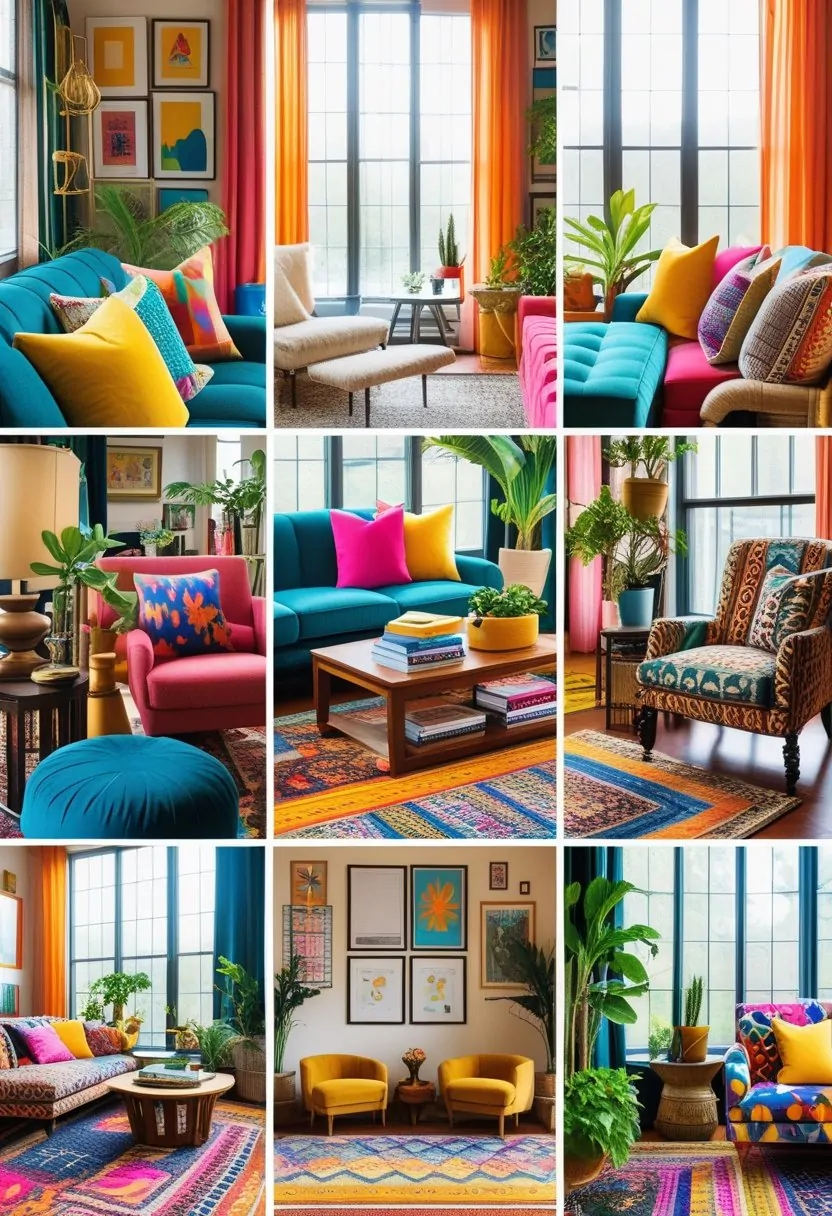
A successful collage-style graphic depends on thoughtful arrangement and visual balance. It requires selecting a format that highlights each photo without overcrowding, while guiding the viewer’s eye naturally across varying styles and colors within thrifted living room spaces.
Choosing the Right Collage Layout
Selecting the appropriate collage layout is essential for organizing diverse images of eclectic living rooms. A vertical arrangement works well for Pinterest, allowing multiple photos to stack neatly for easy scrolling. Layouts that mix photo sizes, such as a dominant larger image with smaller supporting ones, create focal points and maintain interest.
Simple templates featuring clean borders or subtle overlaps keep the look cohesive. It’s important to avoid overly complex designs that distract from the colorful, thrifted details. Consistent spacing between images also helps prevent clutter, ensuring each styled space gets appropriate attention.
Utilizing Grid Layouts and Templates
Grid layouts provide structure, making an eclectic collection appear orderly while showcasing unique elements. Evenly sized squares or rectangles create symmetry, which contrasts effectively with bold vintage items and quirky décor.
Using collage templates can save time and ensure alignment is precise. Many templates allow easy customization of frame styles and spacing, which can be adjusted to emphasize particular photos or colors. Combining grids with occasional irregular shapes can inject creativity while maintaining balance.
Balancing Images for Creative Flow
Balance is key to maintaining a fluid visual experience across the collage. Strategic placement of bright colors or heavily patterned pieces next to neutral or simpler setups prevents overwhelming the viewer.
Grouping images by tone, texture, or style elements can guide the eye naturally. For example, arranging thrifted wood furniture photos adjacent to those featuring textiles or artwork builds harmony. Varying photo orientations and cropping tight shots with wider scenes also helps avoid monotony.
Integrating Creative Design Elements

The collage achieves a dynamic and engaging appearance by carefully balancing texture, typography, and decorative accents. This combination reinforces the eclectic thrifted vibe while guiding the viewer’s attention through the vertical layout. Each design element works together to enrich the visual story of the cozy living rooms.
Incorporating Textures and Patterns
Textures and patterns bring tactile energy into the flat space of a digital collage. Using a mix of vintage fabrics, worn wood grains, and colorful woven rugs creates visual contrast and invites closer inspection. Layering these elements—such as rough burlap next to smooth leather or floral upholstery beside geometric rugs—adds depth without overwhelming the composition.
Patterns should vary in scale and intensity to avoid monotony. Small, intricate prints balance out large, bold motifs. The use of distressed surfaces and faded colors reflects the thrifted, well-loved nature of the furniture, reinforcing authenticity. Digital blending modes or subtle shadows can enhance the illusion of texture across the photos, making each room feel tangible.
Mixing Typography with Imagery
Typography in this collage functions as both informational and artistic. Handwritten or vintage-inspired fonts complement the secondhand aesthetic more effectively than modern, rigid typefaces. Careful placement around images ensures text enhances rather than competes with the photos.
Varying font sizes helps establish hierarchy: larger, bold words introduce themes like “Cozy” or “Eclectic,” while smaller captions provide context or tips on thrift shopping. The color palette of the text generally matches or contrasts thoughtfully with the dominant hues in the photos, drawing eyes to key points without distraction.
Combining text directly on or beside images creates a layered effect, strengthening the collage’s storytelling nature while maintaining readability.
Using Stickers and Illustrations for Depth
Adding flat stickers or hand-drawn illustrations introduces playful, artsy elements to the collage. These can be motifs related to home decor—like tiny plants, vintage lamps, or abstract shapes—that echo the creative spirit of thrift styling.
Strategic placement of stickers around photo edges or within empty spaces prevents overcrowding while enriching the layout visually. Using slightly translucent or textured overlays can create subtle distinctions between photos and graphical accents.
This layered approach enhances the collage’s depth and keeps it visually stimulating, emphasizing individuality and creative freedom inherent in thrifted design. It also gives the graphic a unique signature style without detracting from the focus on the rooms themselves.
Step-By-Step Guide to Creating Pinterest-Worthy Photo Collages

Creating a vertical photo collage that attracts attention requires careful selection and arrangement of images, along with thoughtful design choices. The process includes uploading images, customizing the visual layout, and preparing the final graphic for sharing. Each step enhances the collage’s appeal and effectiveness on Pinterest.
Uploading and Arranging Your Images
Start by selecting high-quality photos that reflect the theme—in this case, cozy, colorful thrifted living rooms. Upload these images into a collage maker or Pinterest’s native tools, which often offer various collage templates tailored for vertical formats.
When arranging images, balance visual weight by placing larger photos alongside smaller ones. This variety keeps the eye moving and highlights unique vintage pieces without overcrowding. Make sure to group images with complementary colors or styles to maintain coherence.
Layering cutouts or overlapping edges can add depth. Users should also consider the order of photos to guide viewers from top to bottom naturally. Some collage tools allow drag-and-drop functionality for easy rearrangement, making this process efficient.
Customizing Borders, Spacing, and Backgrounds
Adjusting borders and spacing between photos impacts the collage’s overall clean look or creative vibe. Thin borders or no borders work well for a seamless design, while defined borders can help distinguish each room’s feature.
Spacing should be consistent but adaptable depending on the collage style. For a cozy, intimate feel, minimal spacing is preferred, while more generous gaps can emphasize separation between distinct designs or colors.
Backgrounds play a subtle but important role. A solid, neutral background generally enhances photo colors without distraction. Alternatively, a soft textured or patterned background that complements the eclectic theme can add to the handmade, thrifted aesthetic. Consider using light colors to maintain warmth and readability.
Exporting and Sharing Vertical Collages
Once the collage looks polished, export it in a high-resolution format—preferably PNG or JPEG—for clarity on Pinterest. Vertical dimensions should range between 1000 to 1500 pixels wide and at least 1500 to 3000 pixels tall to optimize mobile viewing.
Before exporting, review the layout on multiple screen sizes, ensuring fonts or image details remain clear if captions or logos are included. Some collage tools provide a preview feature for this purpose.
For sharing, upload directly to Pinterest with relevant keywords and descriptions to improve discoverability. Pins with vertical collages tend to generate higher engagement due to their compelling, scroll-friendly format. Using consistent branding elements like subtle logos or watermarks within the collage can also strengthen recognition.
Digital Tools and Resources for Collage Creation

Creating a vertical collage showcasing eclectic, thrifted living rooms requires precise layout control and access to diverse visual elements. Utilizing specialized digital tools streamlines the design process, offering features like drag-and-drop placement, customizable templates, and integration capabilities to enhance creativity and efficiency.
Online Collage Makers and Apps
Online collage makers such as Picsart and Canva provide intuitive interfaces for assembling images quickly. These platforms offer pre-designed layouts, which help users arrange multiple small photos into clean, vertical formats suited for Pinterest. They typically include editing functions like resizing, cropping, and layering images, allowing for fine-tuning the look to highlight unique décor pieces.
Apps often feature drag-and-drop mechanics and direct image import from devices or cloud storage. Most support exporting collages in Pinterest-friendly dimensions and file types. Some even provide built-in filters or text overlays to add cohesive visual cues that match vintage or bold color aesthetics. Using these tools can reduce dependency on complex software, making collage creation accessible for all skill levels.
Benefits of Using APIs for Automation
APIs facilitate automation by connecting various software and services, streamlining repetitive tasks in collage creation. For example, an API can automate importing images from social media or image databases, speeding up the gathering of thrifted living room photos. Integration with image processing APIs can also apply filters or adjust colors en masse, ensuring consistent visual style without manual edits.
Automation through APIs minimizes human error in arranging or resizing images and enables dynamic updates, like refreshing a collage with new photos based on trending items. This is particularly useful for content creators managing multiple Pinterest boards or frequently updating collages with fresh thrifted finds.
Finding Trendy Collage Templates Online
Trendy collage templates help jumpstart designs and maintain current visual standards on Pinterest. Many design sites and apps offer collections of vertical collage templates tailored for lifestyle and home décor themes. These templates often emphasize modular photo arrangements and space for text annotations or artistic accents.
Choosing templates that reflect popular design trends—such as bold color blocking, mixed textures, or vintage-inspired layouts—can increase engagement. Templates save time by providing ready-made grids optimized for mobile viewing and sharing, which is crucial for visibility on Pinterest’s platform. Users can customize these templates extensively, adding their own images of thrifted furniture and décor to create personalized yet trendy presentations.


