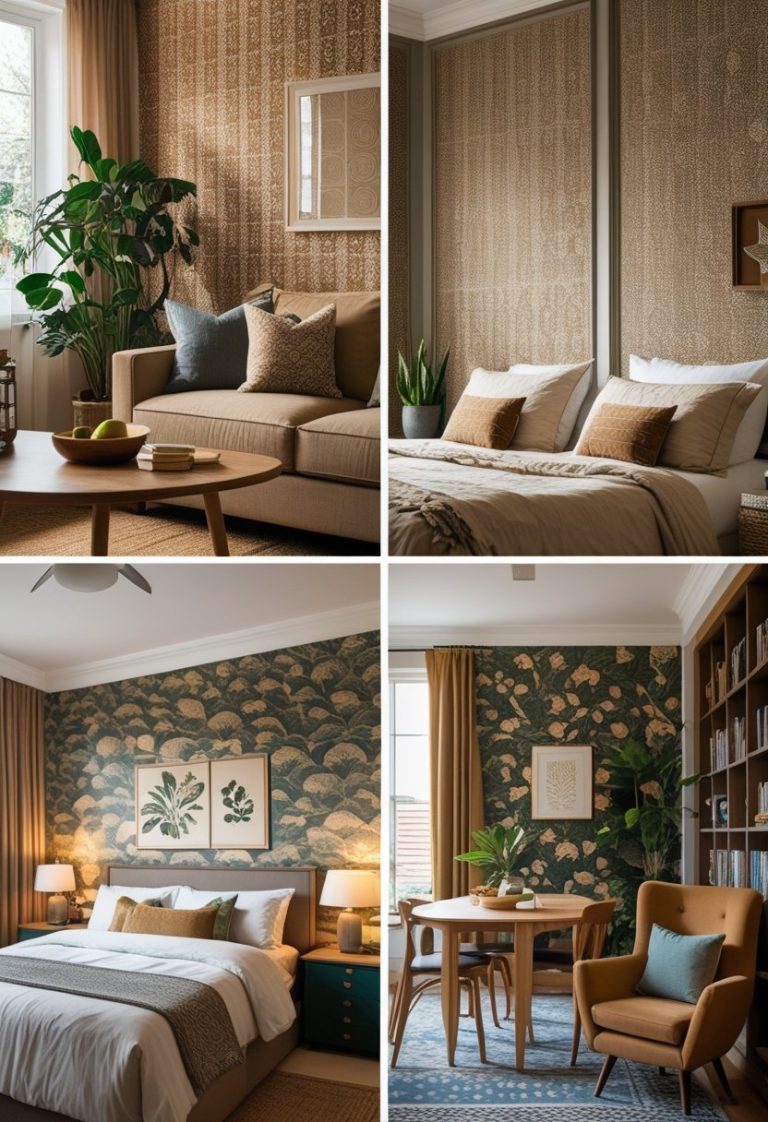

Warm Rustic Living Room Ideas for a Cozy, Inviting Space
A warm rustic living room blends natural materials, earthy tones, and cozy textures to create a comfortable and inviting space. It uses elements like reclaimed wood, stone accents, and soft textiles to bring a sense of authenticity and simplicity into the home. This style focuses on creating a lived-in feel that balances rugged charm with warmth.

The appeal of a warm rustic living room lies in its ability to feel both timeless and approachable. Exposed beams, stone fireplaces, and natural fabrics combine with carefully chosen furnishings to make the space feel grounded and welcoming. By incorporating these elements, it transforms a room into a relaxing retreat that invites connection and comfort.
Whether inspired by farmhouse aesthetics or modern rustic design, the key is to focus on warmth and natural beauty. Thoughtful layering of textures and materials ensures the room feels balanced and personal, making it a practical yet stylish choice for any home.
Key Elements of a Warm Rustic Living Room

Creating a warm rustic living room involves blending texture, materials, and colors that evoke comfort and simplicity. The foundation lies in natural components, while design choices emphasize a welcoming, lived-in feel without excess fuss.
Cozy Atmosphere and Rustic Charm
A cozy atmosphere is essential to rustic living rooms. Soft textiles like wool or linen throw pillows and blankets add warmth and texture to seating areas. Layering rugs and cushions can further enhance comfort.
Lighting plays a crucial role. Warm, ambient lighting from lamps or candles complements the natural tones, contributing to a relaxed environment. Personal items, such as handmade pottery or framed family photos, inject rustic charm and character without cluttering the space.
Embracing Natural Elements
Natural elements define rustic style by inviting the outdoors into the home. Wood is central, appearing prominently in furniture, flooring, or exposed ceiling beams. Reclaimed wood furniture is a popular choice for authenticity. Stone accents, such as fireplace surrounds or decorative walls, add tactile contrast.
Plants also support the theme by introducing greenery and fresh air. Linen or cotton fabrics reinforce the natural vibe with their organic textures. Together, these components create a grounded, earthy feeling throughout the living room.
Rustic Style Foundations
The foundation of rustic style is simplicity paired with rugged elegance. Furniture often features sturdy, handcrafted qualities rather than sleek or ornate designs. The palette typically includes warm, earthy tones like browns, creams, and muted greens.
Textured finishes such as distressed wood and rough-hewn stone contrast with soft fabrics, balancing durability and comfort. Decorative elements are functional, like woven baskets for storage, and emphasize utility with a personal touch. This approach anchors the room in a timeless rustic atmosphere that feels inviting and practical.
Choosing Materials and Textures

A warm rustic living room relies on carefully selected materials and textures that emphasize nature and authenticity. The choices reflect a balance between durability, aesthetics, and comfort, focusing on elements that bring natural beauty and tactile warmth into the space.
Natural Materials and Textures
Natural materials are fundamental to rustic living rooms. Wood, leather, linen, and wool provide a variety of textures that add depth and warmth. These materials offer both visual interest and tactile comfort, inviting touch and creating a cozy atmosphere.
Using untreated or lightly finished wood surfaces helps retain an organic look. Combining soft textiles like wool throw blankets or linen cushions with harder surfaces such as wooden floors or beams enhances contrast. Natural textures such as woven baskets, jute rugs, or stone accents reinforce the connection to nature without overwhelming the room.
Reclaimed Wood and Weathered Wood
Reclaimed wood is prized for its history and character. This material often shows unique grains, knots, and imperfections that add authenticity to rustic décor. Weathered wood, similarly, features worn finishes and faded colors that create a lived-in, vintage feel.
Both reclaimed and weathered wood are typically used for furniture, flooring, or accent walls. Their slightly distressed appearance contrasts with smoother modern pieces, making them perfect for creating focal points in the living room. Using reclaimed wood also supports sustainable design practices, making it a practical and eco-friendly choice.
Stone and Brick Fireplaces
Stone and brick fireplaces are cornerstone features in warm rustic living rooms. Natural stone fireplaces offer rugged texture and visual weight, often with irregular shapes and earthy tones. They serve as a natural centerpiece, enhancing the room’s cozy vibe.
Brick fireplaces add warmth through their subtle color variations and tactile surface. Both materials can be left exposed or paired with wooden mantels or metal accents for layered texture. Maintaining the natural, rough quality of stone or brick preserves the rustic charm and evokes a sense of timeless craftsmanship.
Color Palettes for Warmth

Warm rustic living rooms rely on specific color choices to create a cozy and inviting atmosphere. These choices blend natural influences and soft hues that emphasize texture and comfort. The balance between strong earthy shades and subtle neutrals shapes a space that feels grounded yet elegant.
Earthy and Warm Tones
Warm rustic spaces often use a base of rich earthy colors like terracotta, deep forest green, burnt sienna, and warm browns. These tones mimic natural elements such as soil, wood, and leaves, fostering a sense of connection to the outdoors.
Using these colors on walls, furniture, or accessories enhances depth and warmth. For example, a terracotta accent wall or deep green cushions can anchor the room’s design while keeping it welcoming.
These warm tones work best when balanced and not overused, as they can dominate a space if too intense. Careful integration of texture helps these colors feel dynamic rather than flat.
Layering Neutral Colors
Neutral tones in rustic design are anything but cold. Shades like oatmeal, taupe, putty, and ivory with subtle yellow or beige undertones add softness and light. These colors often serve as the primary wall or ceiling shades, creating a warm backdrop that supports brighter or darker accents.
Layering neutrals means using variants of these tones in furniture, rugs, and curtains to build depth without overwhelming the warmth. A soft beige sofa or an ivory paneled ceiling can brighten a room while maintaining warmth.
Unlike stark whites or cool grays, warm neutrals age well and complement natural materials like stone and wood, making them a foundation for lasting rustic interiors.
Accent Colors for Rustic Spaces
Accents in warm rustic living rooms introduce character without overpowering the core palette. Deep oranges, mustard yellows, and muted reds work well as accent colors, enhancing the earthiness and adding vibrancy.
In small doses, these colors can appear in textiles, pottery, or artwork. For instance, a burnt orange throw pillow or mustard curtains add contrast and visual interest.
Metallics like bronze or copper also make suitable accents, reflecting light softly and tying into the room’s natural theme. Combined with warm tones, these accents complete the look with subtle elegance.
Furniture Selection and Arrangement

Choosing the right furniture and arranging it thoughtfully shapes the warmth and function of a rustic living room. Incorporating natural materials and comfortable seating while blending styles creates a balanced, inviting space ideal for relaxation and socializing.
Rustic Furniture and Comfortable Seating
Rustic furniture emphasizes natural materials like reclaimed wood, wrought iron, and distressed finishes. Large wooden coffee tables with visible grain and knots anchor the room, providing a sturdy yet warm focal point.
Comfortable seating is essential. Leather sofas or plush fabric armchairs in earthy tones add softness and durability. Oversized seating pieces enhance coziness, ideal for long conversations or relaxation. Textured cushions and throws in muted colors complement the rustic aesthetic without overwhelming it.
Mixing Modern and Rustic Pieces
Blending modern furniture with rustic elements creates visual interest and prevents the space from feeling outdated. For example, pairing a streamlined leather sofa with a heavy wooden coffee table introduces contrast without clashing.
Metal or chrome accents on chairs and tables can tone down rustic heaviness while maintaining warmth. Contemporary lighting or minimalist shelving alongside exposed wood beams keeps the room feeling fresh, balanced, and purposeful.
Arranging for a Cozy Gathering Space
Arrangement should prioritize easy conversation flow and accessibility. Position seating in a semi-circle or U-shape around the coffee table or fireplace. This setup encourages interaction and creates a natural focal point.
Leave ample walking space around furniture to avoid clutter. Layering a wool or cowhide rug under the coffee table enhances warmth and defines the seating area. Incorporating built-in shelving or side tables nearby increases functionality, keeping essentials within reach.
Textiles and Soft Furnishings

Warm rustic living rooms rely heavily on textiles and soft furnishings to create a cozy, inviting atmosphere. The choice of materials and layering techniques adds depth and comfort while enhancing the natural, earthy vibe characteristic of rustic design.
Cozy Textiles and Throws
Soft textiles play a central role in adding warmth and texture. Chunky knit throws offer substantial tactile interest and visual weight, making them perfect for draping over sofas or armchairs. Faux fur blankets introduce a plush, luxurious feel while maintaining rustic charm.
Materials like wool, linen, and cotton are preferred for their natural textures and durability. These fabrics provide softness without overwhelming the space, helping to maintain an organic, grounded look. Warm, neutral tones such as beige, cream, and soft browns complement wooden accents and earthy color schemes effectively.
Layering Rugs for Texture
Layering rugs is a strategic way to bring texture and dimension into a rustic living room. Placing smaller rugs over larger area rugs helps break up the floor space and adds visual interest.
Typically, a woven rug serves as the base, offering a solid, durable foundation. Adding a patterned rug on top introduces contrast and personality. This layered approach can balance warmth with practicality, as rugs protect hardwood floors and absorb sound, creating a quiet, cozy environment.
Woven and Patterned Rugs
Woven rugs are essential in rustic spaces for their natural fibers and handcrafted appeal. Materials like jute, sisal, or wool provide durability and an organic texture that fits well with the rustic aesthetic.
Patterned rugs contribute character without overpowering the room. Subtle geometric or traditional patterns in earth tones anchor the space and tie together textiles and furniture. Their presence adds a layer of sophistication, blending function with visual appeal effectively.
Decorative Details and Accents

A warm rustic living room gains character through carefully chosen elements that emphasize natural materials and inviting textures. Key features often include authentic wood details, architectural highlights, and nostalgic items that evoke a farmhouse atmosphere.
Wood Accents and Exposed Beams
Wood accents, such as furniture legs, shelving, and trim, reinforce the warmth and texture essential to rustic design. Using varied wood finishes—from light pine to rich walnut—adds depth while maintaining cohesion.
Exposed wood beams on ceilings or walls are signature elements. They highlight craftsmanship and structural integrity, often becoming focal points. In some cases, log walls can complement these beams, enhancing the rugged yet cozy feel.
Incorporating reclaimed wood is common for an authentic touch. These materials offer visual interest through natural imperfections and weathered textures. Black metal hardware paired with wood details often provides subtle industrial contrast without overpowering the rustic warmth.
Barn Doors and Architectural Features
Sliding barn doors are both practical and decorative in rustic living rooms. Their rustic wood grain and hardware bring farmhouse charm while saving space. When finished with natural stains or light whitewash, barn doors blend seamlessly with other wood elements.
Architectural details like built-in shelving made from reclaimed wood or exposed brickwork complement barn doors. These features enhance the space’s character by adding layers of texture and authentic craftsmanship.
Attention to simple, robust forms in trim, mantels, or stair railings supports the rustic aesthetic without complicating the design. Such details ensure the room feels inviting yet grounded in natural materials.
Vintage Finds and Farmhouse Charm
Incorporating vintage finds enriches rustic living rooms with history and personality. Items like worn leather chairs, antique lanterns, or aged wooden crates provide a lived-in look that modern pieces cannot replicate.
Farmhouse charm typically includes functional décor with visible signs of age. Think distressed wood frames, woven baskets, or hand-stitched textiles. These accents balance elegance and simplicity while avoiding overly polished or thematic décor.
Collecting mismatched but coordinated vintage pieces helps create an authentic rustic space rather than a staged one. The key lies in selecting well-crafted items that resonate with the room’s natural tones and textures.
Lighting for a Warm Rustic Ambiance

Creating a warm rustic ambiance depends heavily on the choice and arrangement of lighting. It involves selecting fixtures that complement natural materials and choosing bulbs that emit soft, inviting light. Combining different lighting sources enhances depth and highlights key design features.
Using Warm Lighting
Warm lighting is fundamental to a rustic living room’s cozy feel. Bulbs with a color temperature between 2200K and 2700K produce a soft amber glow that enriches wooden textures and natural fabrics. Edison-style bulbs are a popular choice for this, offering visible filaments and vintage charm.
Installing dimmable warm lights allows adjustment of brightness based on time of day or occasion, increasing comfort and versatility. Avoid harsh, cool-white lighting, which clashes with rustic decor by creating a sterile atmosphere.
Chandeliers and Statement Fixtures
Chandeliers serve as both illumination and focal points in rustic interiors. Fixtures made from wrought iron, distressed wood, or metal with an aged finish fit the rustic aesthetic. They provide ambient lighting while emphasizing the room’s texture and character.
Choosing a chandelier with warm-toned bulbs enhances the fixture’s details and casts gentle shadows that add visual interest. Lantern-style or multi-arm chandeliers are practical options that balance style with sufficient light distribution.
Layered Lighting Strategies
Layered lighting combines ambient, task, and accent lights to build complexity and warmth. Ambient sources, like chandeliers or ceiling fixtures, establish overall brightness. Task lights, such as reading lamps or sconces, provide focused illumination where needed.
Accent lighting highlights architectural details or art pieces, using adjustable fixtures or small lamps. Strategically placing these lights emphasizes natural elements like wood grain and stone. This approach ensures a balanced, inviting environment adaptable for various activities.
Incorporating Natural and Botanical Elements

A warm rustic living room often thrives on the presence of natural elements that enhance both texture and color. Using live greenery alongside organic decor pieces can bring vitality and a grounded feel to the space.
Potted Plants and Greenery
Introducing potted plants adds fresh life and subtle color contrasts. Plants such as snake plants, ferns, or rubber plants work well because they require minimal maintenance yet offer bold greenery.
Positioning plants near natural light sources helps them thrive and maintains a lively atmosphere. Varying plant sizes—from small succulents on shelves to larger floor plants—creates visual interest and depth.
Containers made from natural materials like terracotta, stone, or woven baskets complement rustic aesthetics. Maintaining healthy, vibrant foliage reinforces the connection to nature and enriches the room’s cozy feel.
Decorating with Natural Decor
Natural decor enhances rustic warmth through materials like reclaimed wood, dried branches, and woven fibers. Items such as driftwood sculptures, wooden bowls, and wicker baskets provide texture and history.
Incorporating dried wildflowers or botanical prints mixes softness with organic shapes. These elements highlight the natural theme without overpowering other furnishings.
Soft lighting paired with these materials accentuates their textures and keeps the room inviting. Thoughtful placement ensures that natural decor pieces function both as art and tactile elements, reinforcing a grounded aesthetic.
Blending Rustic With Modern Styles

A warm rustic living room can balance rough natural textures with sleek, contemporary details. Combining these elements creates spaces that feel both comfortable and stylish. The integration of wood, metal, and neutral palettes anchors the rustic touch, while modern shapes and minimalism refine the overall look.
Modern Rustic and Rustic Contemporary
Modern rustic design focuses on incorporating natural materials like reclaimed wood, stone, and leather with modern furniture and clean architectural lines. This style leans toward warmth and authenticity but avoids clutter by prioritizing simplicity.
Rustic contemporary introduces more urban elements, such as polished metals and glass, while maintaining earthy tones. It often features open layouts and minimal décor, blending old-world charm with new-world functionality. Both styles emphasize raw textures contrasted against smooth surfaces to keep the space grounded yet fresh.
Modern Farmhouse Inspirations
Modern farmhouse style takes rustic cues from traditional rural homes but updates them with contemporary finishes. It often includes shiplap walls, exposed beams, and barn doors alongside neutral color schemes and streamlined furniture.
This style focuses on comfort and practicality, with cozy fabrics like linen and cotton adding softness. Appliances and lighting are typically modern, ensuring the space remains functional. The blend of vintage farmhouse elements with sleek, modern accents creates a welcoming, lived-in feeling without overwhelming the room.
Balancing Clean Lines With Warmth
Clean lines are essential for modern design but can risk making a rustic room feel cold or impersonal. To avoid this, warm rustic spaces use simple furniture shapes combined with textured materials like wool rugs, woven baskets, or rough-hewn wood.
This balance allows for airy, uncluttered rooms that still radiate comfort. Neutral tones such as beige, taupe, and soft grays provide a warm foundation while emphasizing the clean architectural forms. The interplay of structured design with cozy, tactile finishes ensures the room remains inviting and functional.