
Rustic Farmhouse Kitchen Ideas for Charm & Functionality
A rustic farmhouse kitchen blends natural materials and vintage charm to create a functional and inviting space. It features elements like reclaimed wood, apron-front sinks, open shelving, and cozy details that emphasize warmth and simplicity. This style focuses on combining practicality with a timeless, homey atmosphere that makes the kitchen welcoming and comfortable.

The appeal of a rustic farmhouse kitchen lies in its balance of old and new. Weathered wood finishes, shiplap walls, and antique-inspired accents often coexist with modern appliances, allowing the space to remain both stylish and efficient. The use of natural textures and warm tones reinforces the authentic, down-to-earth feel.
Design choices such as rustic light fixtures, wooden utensil holders, and vintage decor pieces help personalize the kitchen without overwhelming it. Whether in a small or spacious setting, the rustic farmhouse kitchen creates a soulful environment that stands the test of time.
Key Elements of a Rustic Farmhouse Kitchen

A rustic farmhouse kitchen embraces simple, natural materials and a muted color palette to create a cozy, functional space. Architectural details play a key role in defining its character, combining traditional craftsmanship with everyday practicality.
Foundational Materials and Textures
Natural wood is essential, often found in reclaimed hardwood floors, exposed ceiling beams, and cabinetry. The use of rough-hewn timber or distressed finishes enhances farmhouse charm and adds tactile depth. Stone and brick may also appear as backsplash or hearth elements, contributing to the kitchen’s authentic, lived-in atmosphere.
Farmhouse sinks crafted from porcelain or fireclay are common, valued for durability and vintage appeal. Textural contrasts, such as smooth countertops against weathered wood, balance warmth with functionality. These materials are chosen not just for durability but to evoke a sense of heritage and simplicity.
Signature Color Palettes
Rustic farmhouse kitchens typically feature neutral tones grounded in natural shades. Whites, creams, and soft grays serve as a clean backdrop, highlighting materials like wood and stone.
Accents often use muted greens, blues, or earth tones to complement rather than overwhelm. This restrained palette supports a timeless feel and highlights handcrafted details like vintage cabinetry or antique fixtures. The overall effect is calm, inviting, and easy to maintain.
Defining Architectural Features
Shiplap walls are a signature detail, offering subtle texture and a nod to classic farmhouse construction. Exposed ceiling beams reinforce the rustic aesthetic and provide structural interest.
Open shelving or glass-front cabinets showcase vintage dishware, blending functionality with display. Large farmhouse sinks and apron-front designs are both practical and iconic. Features like an arched window flooding natural light or a rustic stone hearth can further emphasize traditional craftsmanship while supporting modern kitchen needs.
Iconic Features and Fixtures

Rustic farmhouse kitchens are defined by distinct elements that combine practicality with timeless style. Key fixtures focus on durable, functional materials that provide comfort and charm. Wood, metal, and natural textures play essential roles in shaping the classic aesthetic.
Farmhouse Sink and Classic Apron
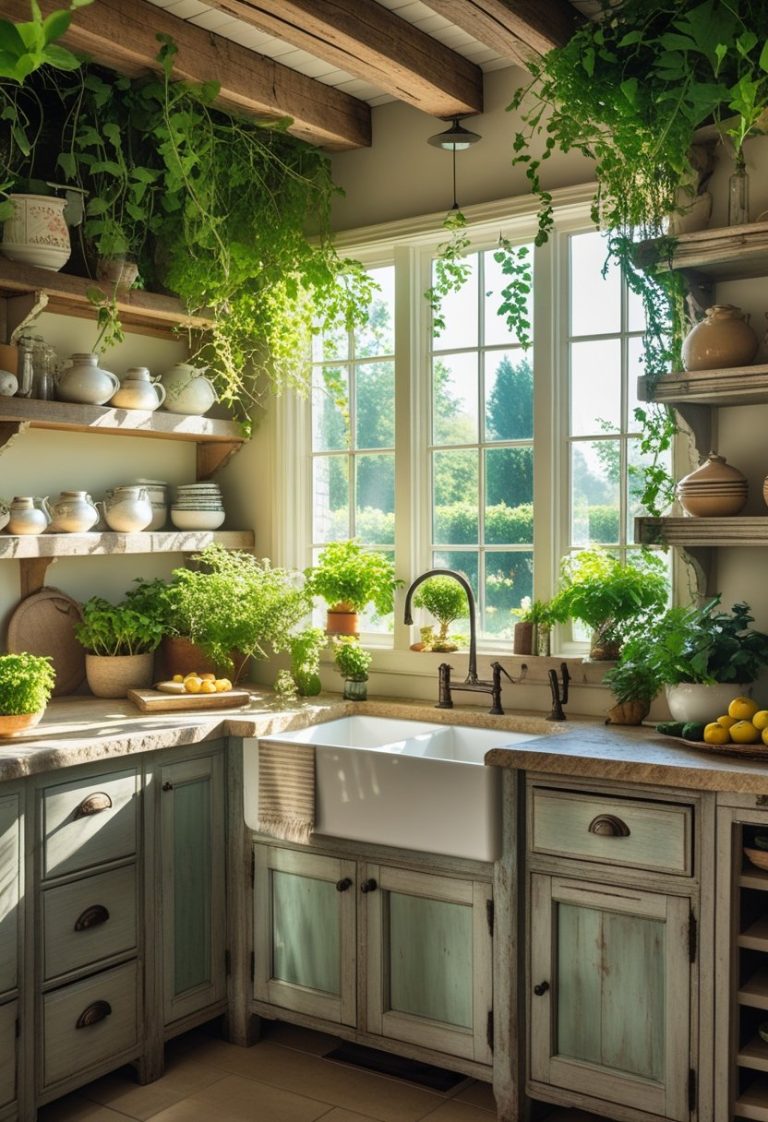
The farmhouse sink is a central fixture known for its deep basin and exposed apron front. Typically made of fireclay or porcelain, it offers durability and resistance to stains and scratches. Its wide and deep design allows easy washing of large pots and pans.
The exposed apron front adds visual interest, often serving as a focal point. Pairing the sink with matte black or brass fixtures enhances both function and rustic appeal. Wooden or stone countertops usually surround the sink, creating a warm, tactile surface that complements the vintage vibe.
Open Shelving Concepts
Open shelving is favored in rustic farmhouse kitchens for its accessibility and display potential. Shelves made from reclaimed wood or distressed finishes emphasize a natural, worn look, adding texture to the space.
This design replaces upper cabinets, allowing homeowners to showcase dishware, cookbooks, or decorative items. Metal brackets or wrought iron supports often hold the shelves, reinforcing the rural, handcrafted character. Open shelving also contributes to a more open, airy kitchen atmosphere, making it easier to locate and reach items during cooking.
Barn Doors and Rustic Hardware
Sliding barn doors add both style and function in farmhouse kitchens, often used for pantry entrances or to separate kitchen areas. Crafted from weathered wood with knotty grains and distressed finishes, they introduce authenticity and a handcrafted feel.
Hardware choices like wrought iron handles and rustic hinges are essential to completing the look. These metal accents provide contrast against the wood and reflect traditional craftsmanship. The sliding mechanism saves space compared to swinging doors, improving kitchen workflow without sacrificing the rustic charm.
Warmth and Character: Accents and Decor

A rustic farmhouse kitchen comes alive through carefully chosen decor and accents that add depth and personality. Elements like metal finishes, textiles, and unique wall treatments elevate the space, creating a balance between practicality and charm.
Copper Accents and Metal Touches
Copper is a key material that adds warmth and a timeless quality to farmhouse kitchens. Its rich, reddish tones contrast naturally with wood and neutral palettes, creating visual interest.
Common copper elements include:
- Hardware: Cabinet knobs and drawer pulls in copper introduce subtle elegance.
- Cookware: Hanging copper pots and pans serve both a functional and decorative purpose.
- Fixtures: Copper faucets or lighting fixtures reinforce rustic authenticity while offering durability.
These metal touches blend warmth with refinement. Over time, copper develops a natural patina that enhances its character, making it ideal for spaces aiming for a well-worn, lived-in feel.
Textiles and Tableware Displays
Textiles play a significant role in making a rustic kitchen feel inviting. Linens such as tea towels, table runners, and seat cushions in natural fibers add texture and softness to the space.
Patterns often favor muted, earthy tones or classic checks and stripes, complementing the farmhouse style without overpowering it.
Open shelving or glass-front cabinets are perfect spots for displaying vintage or handcrafted dishware. Mixing stoneware, enamelware, and simple ceramics adds to the kitchen’s lived-in warmth. Thoughtful arrangement keeps the look intentional rather than cluttered, emphasizing utility and style equally.
Backsplashes and Wall Treatments
Walls in a rustic farmhouse kitchen can be both functional and decorative. Options like hand-painted tiles or textured terracotta backsplashes introduce earthy, warm colors that match wooden elements.
A chalkboard wall is a practical and charming addition. It provides space for notes, recipes, or seasonal messages while contributing to the kitchen’s casual, welcoming atmosphere.
Natural materials such as reclaimed wood paneling or shiplap enhance texture and depth along walls, reinforcing the rustic aesthetic without compromising durability. These treatments are easy to update and align with the kitchen’s overall farmhouse character.
Functional Design and Layout

A rustic farmhouse kitchen balances charm with practicality by focusing on efficient movement and smart storage. Thoughtful layout choices and organized spaces help create a kitchen that is both inviting and easy to use.
Work Triangle and Kitchen Flow
The work triangle connects the sink, stove, and refrigerator to optimize kitchen tasks. In farmhouse kitchen design, this triangle should allow for smooth movement without interruption.
Ideal placements maintain about 4 to 9 feet between each point, reducing unnecessary steps. Open layouts with spacious aisles support this flow, accommodating multiple users during cooking or gatherings.
Positioning a large farmhouse sink centrally enhances workflow. Combining this with an island or prep station nearby can create a seamless cooking and cleaning path while retaining rustic appeal.
Maximizing Storage and Organization
Farmhouse kitchen ideas emphasize practical storage through open shelving, deep drawers, and built-in cabinetry. Open shelves with rustic wood display frequently used items and vintage dishware, blending style with accessibility.
Cabinetry in white or pastel tones enhances brightness and pairs well with natural wood accents. Pull-out pantry units and corner carousels maximize tight spaces, keeping essentials easy to reach.
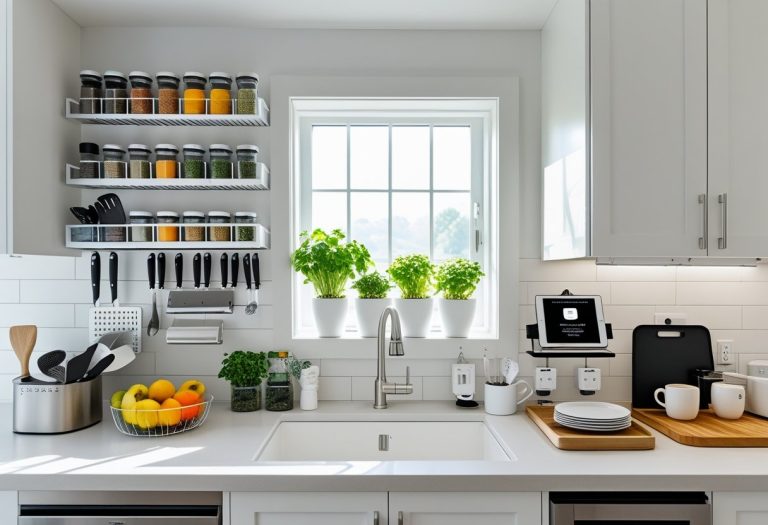
Incorporating hooks or racks for pots, pans, and utensils keeps counters clear and adds to the country kitchen feel. Effective storage solutions maintain order without sacrificing the cozy, lived-in aesthetic.
Bringing the Outdoors In

A rustic farmhouse kitchen often merges natural elements with practical design. Key features include using natural light and greenery to create a fresh, inviting space and incorporating living plants such as herb gardens for both decoration and culinary use.
Incorporating Herb Gardens
Herb gardens are a popular choice in rustic farmhouse kitchens. They provide fresh ingredients within easy reach and add natural texture and color to the space. Small pots or window boxes with herbs like basil, rosemary, thyme, and parsley fit well on countertops or shelves.
Using reclaimed wood planters or terracotta pots complements the rustic style. Keeping the garden well-organized with labeled containers helps maintain a tidy and functional workspace. Indoor herb gardens also improve air quality and bring a subtle fragrance that enhances the kitchen atmosphere. Regular care, including adequate sunlight and watering, is essential for sustaining healthy herbs.
Natural Light and Greenery
Natural light plays a crucial role in achieving the rustic farmhouse aesthetic. Large windows or skylights brighten the kitchen, emphasizing natural materials like wood and stone. Light framed by wooden beams or shutters creates a warm, welcoming environment.
Greenery beyond herb gardens, such as potted plants or hanging vines, softens hard surfaces and introduces life into the room. Plants like ferns or succulents are low-maintenance options suitable for kitchen conditions. Proper placement ensures plants receive enough sunlight without interfering with cooking activities. Together, natural light and greenery strengthen the connection between indoor and outdoor spaces while enhancing air quality and mood.
Adapting the Style for Small or Modern Spaces

In smaller or modern kitchens, rustic farmhouse style can be tailored to maximize both function and aesthetic appeal. Utilizing smart storage, open layouts, and selective vintage touches helps maintain the warm, cozy feel without overwhelming the space.
Compact Rustic Farmhouse Kitchen Solutions
Small kitchens benefit from space-saving elements like open shelving and slim cabinetry. These features provide storage while keeping the room airy and uncluttered.
Using multifunctional furniture, such as kitchen islands with built-in storage, extends workspace and adds practical value. Light colors on walls and cabinets enhance the sense of space.
Incorporating natural materials like wood beams or a farmhouse sink adds rustic charm without sacrificing room. A minimalist approach to decorative items avoids crowding, focusing instead on essential design accents.
Blending Vintage with Contemporary
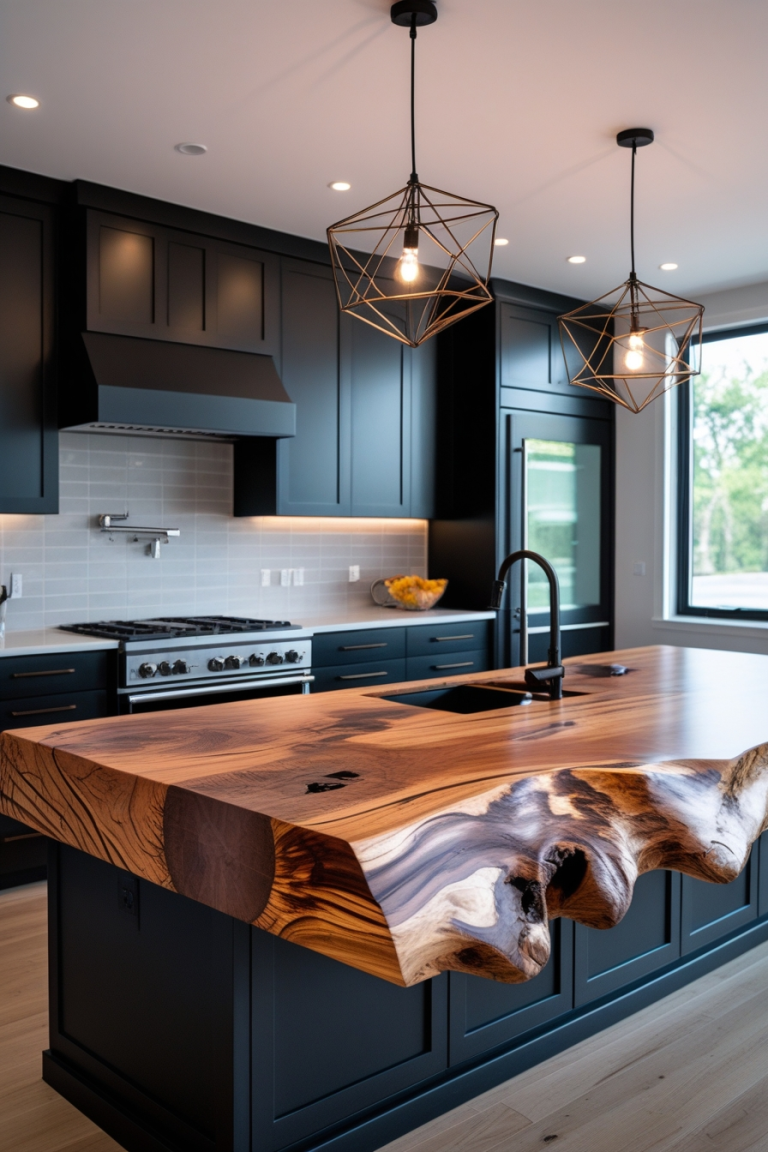
Combining old and new elements creates a balanced rustic farmhouse kitchen with modern convenience. For instance, pairing reclaimed wood cabinets with sleek stainless steel appliances integrates tradition with today’s technology.
Hardware choices like black matte or brushed nickel handles add subtle contrasts without disrupting the rustic feel. Modern lighting with vintage design can enhance both function and style.
Freestanding furniture or antique cupboards can be mixed with contemporary counters to achieve an unfitted kitchen look, lending character while maintaining streamlined surfaces. This blend keeps the kitchen inviting and efficient.