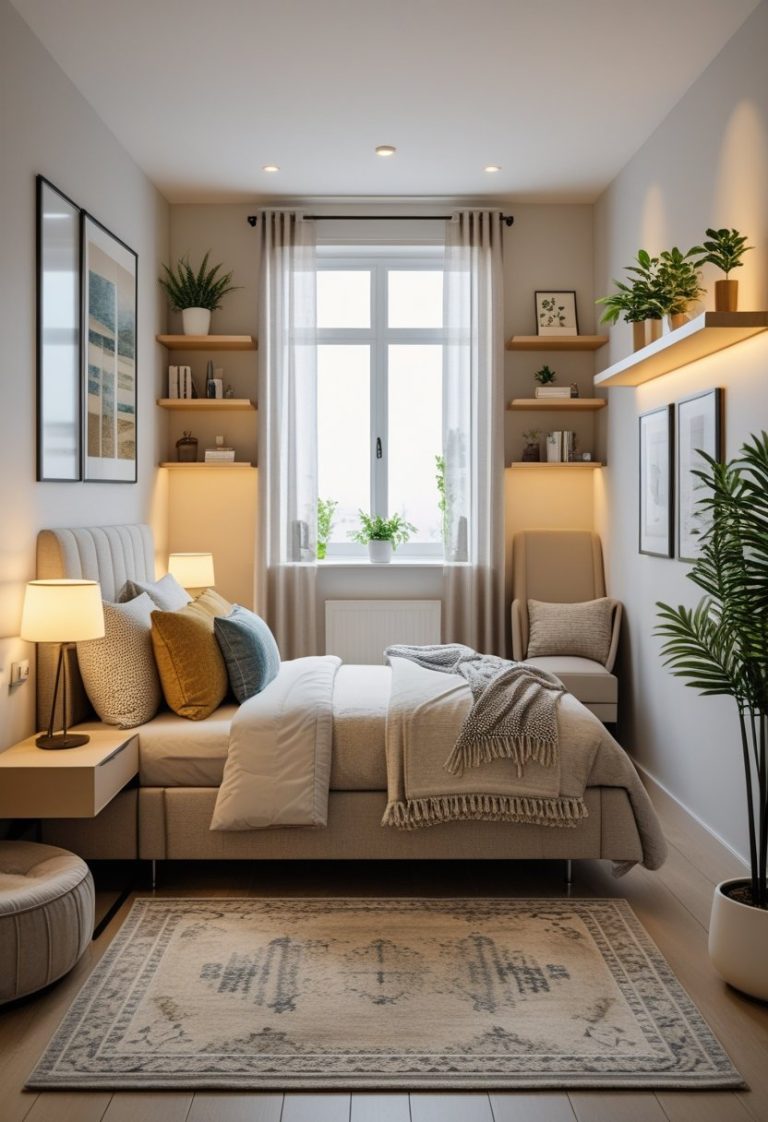

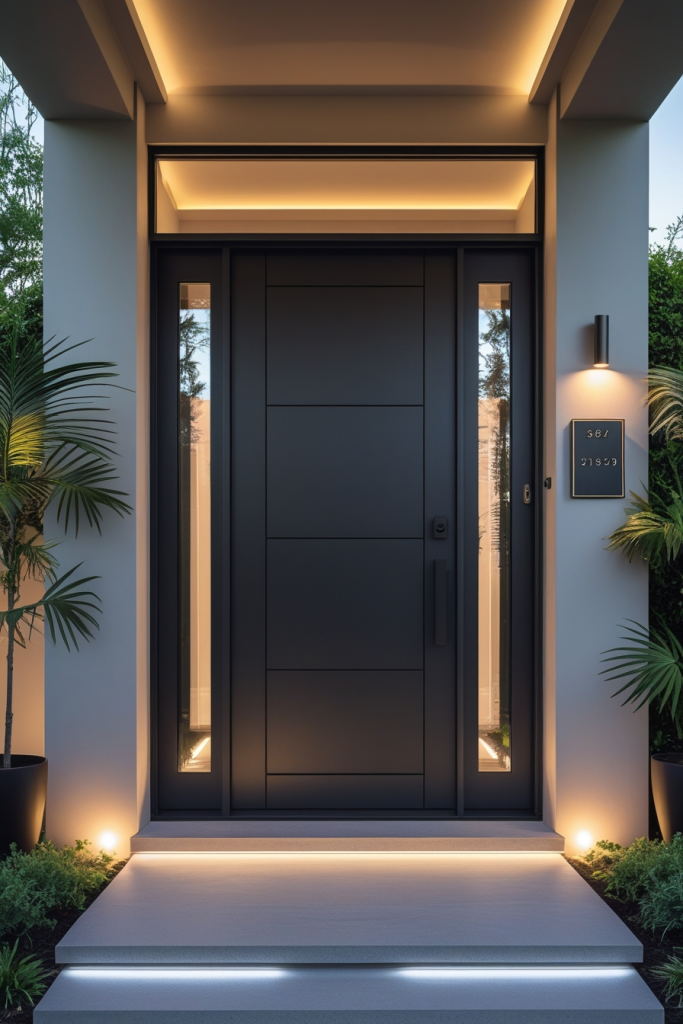
“Sleek Modern Front Door with Lighting & Natural Accents”
A sleek, modern front door with minimalist design creates an immediate impact by combining simplicity with function. The large, solid panel in a dark matte finish offers a bold, clean look, while the two tall vertical glass panels allow natural light to softly illuminate the entryway. This balance of solid and transparent elements defines a contemporary aesthetic that is both inviting and stylish.

Clean architectural lines paired with warm ambient ceiling lighting and subtle LED step lights enhance the modern feel while ensuring the space is welcoming and safe. The addition of potted plants introduces natural texture that complements the minimalism, softening the overall appearance. The neatly mounted address plaque further reinforces the streamlined and sophisticated character of this front entrance.
Modern Minimalist Front Door Design Elements

A modern minimalist front door stands out through precise choices in materials, finishes, and structural details. It balances strong visual appeal with practical elements like natural light and spatial definition.
Solid Matte Door Finishes
A solid matte finish on a front door creates a subtle yet commanding presence. This finish eliminates reflective glare, emphasizing the door’s clean surface and deep color saturation, particularly effective on black doors.
Matte finishes resist showing fingerprints and smudges, maintaining a pristine look with minimal upkeep. They pair well with natural light and architectural illumination to highlight texture without distraction. Choosing a matte black or dark gray enhances the door’s sleekness and contrasts softly with surrounding trim or facade materials.
Large Panel Door Styles
Large panel doors are key for minimalist designs. They use broad, uninterrupted surfaces to emphasize simplicity and scale. These panels often feature flush or seamless edges, reinforcing the minimalist aesthetic.
A large panel door, free from heavy ornamentation, functions as a canvas for architectural elements around it. Incorporating tall vertical glass side panels adds natural light while preserving privacy and clean lines. This mix of solid and transparent surfaces balances solidity with openness, anchoring the entrance.

Clean Architectural Lines
Clean architectural lines define and frame the modern front door. They create sharp edges and geometric precision that guide the eye horizontally and vertically. These lines are evident in door frames, adjacent glass panels, and the overall entryway layout.
Using linear lighting such as warm ceiling fixtures or subtle LED step lights enhances the edges and shapes, giving depth without clutter. Lines should be uninterrupted and carefully aligned with surrounding facade elements to maintain cohesion and elevate sophistication.
Incorporating Glass Panels in Contemporary Entryways
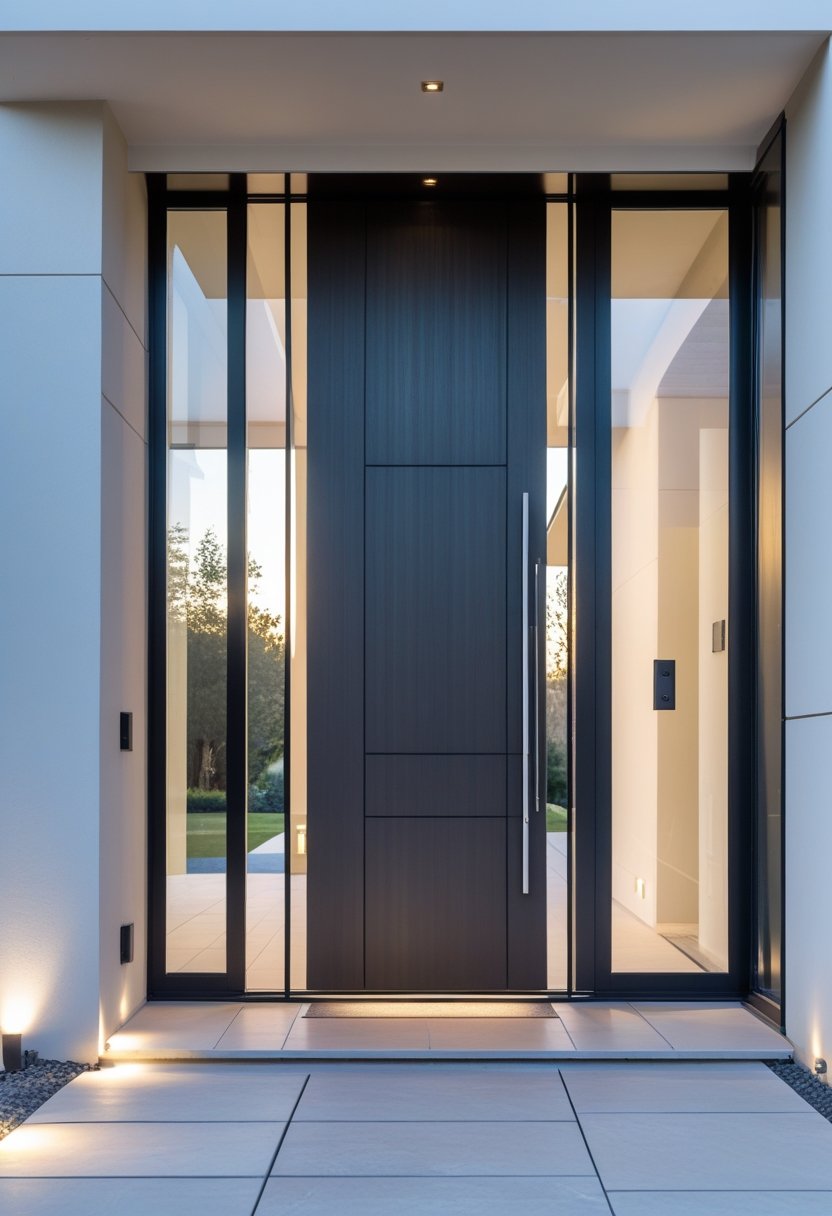
Glass panels add both visual appeal and functional benefits to modern entryways. They allow natural light to brighten interior spaces while contributing to a sleek and minimalist look. Careful planning is needed to balance aesthetics, privacy, and safety.
Vertical Glass Panel Integration
Vertical glass panels are ideal for framing a solid door without overwhelming the design. They elongate the entryway visually, creating a sense of height and openness. The panels are often narrow, placed on one or both sides of the door, allowing ample daylight to flow inside.
Choosing the right glass type—clear, frosted, or textured—affects both style and light diffusion. Frameless or slim-profile framing helps maintain a clean, uninterrupted look. Proper sealing is essential to ensure durability and prevent drafts.
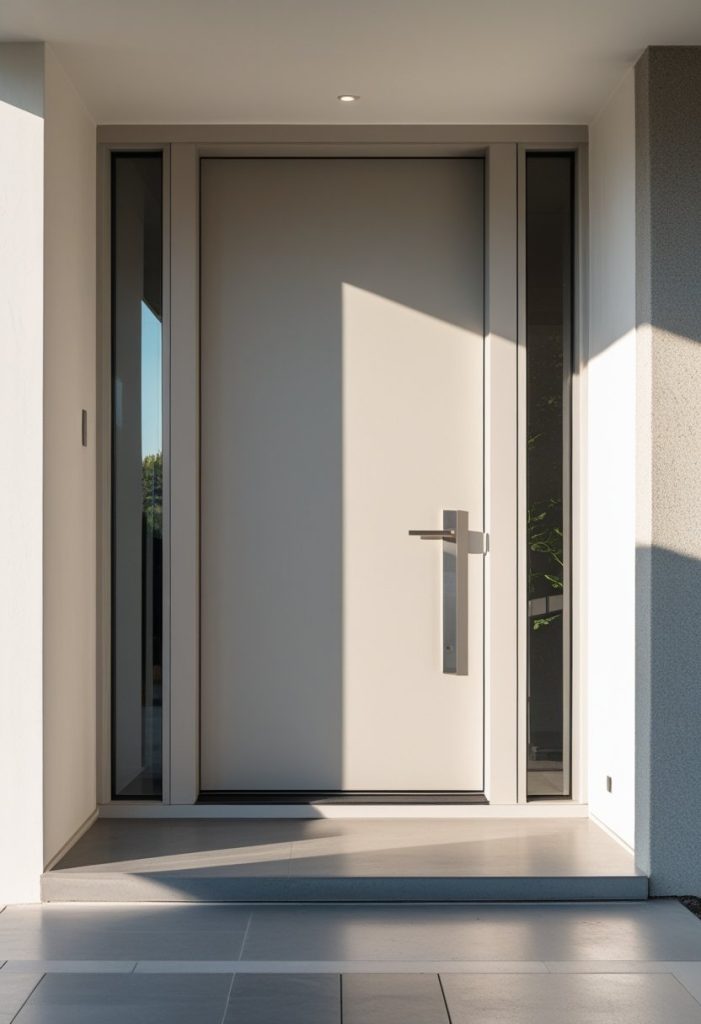
Balancing Privacy and Natural Light
Glass panels invite light but can compromise privacy if not thoughtfully chosen. Frosted or textured glass obscures direct views while still allowing light in, making it suitable for front doors. Alternatively, tinted or reflective glass can reduce visibility from outside during daylight.
Positioning also matters. Taller and narrower panels placed higher on the wall can let light enter while keeping line-of-sight limited. Blinds or smart glass technology offer flexible solutions for dynamic privacy needs without sacrificing brightness.
Safety Considerations for Glass
Safety is critical when installing glass panels near entryways. Tempered or laminated glass is recommended due to its resistance to impact and safer breakage pattern. These materials minimize injury risk if the glass shatters.
The frames and hardware should be robust and weather-resistant, supporting the integrity of the panel under stress. Installation by certified professionals ensures compliance with local building codes and optimal security, especially in accessible areas next to the door.
Lighting Solutions for Sleek Entryway Ambiance

The lighting in this minimal front entrance highlights its architectural lines and enhances curb appeal without overpowering the space. By combining various light sources, the entryway maintains a balanced, inviting atmosphere that emphasizes both form and function.
Ceiling Ambient Lighting
The ceiling incorporates warm, recessed ambient lighting that gently illuminates the entry area. This lighting is flush with the ceiling, maintaining the minimalist design and providing an even glow without visible fixtures.
Soft, warm-toned LEDs are used to emphasize the dark matte finish of the door and surrounding walls. The illumination helps draw attention to the clean vertical lines and prevents shadows that might disrupt the sleek aesthetic.
This form of overhead lighting creates a welcoming vibe by highlighting the front door decor subtly, enhancing the modern atmosphere while offering sufficient brightness for safety and ease of access.
LED Step and Pathway Lights
Integrated LED step lights guide visitors safely along the entry pathway. These low-profile fixtures are installed discreetly into the steps or at the base of walls, avoiding visual clutter and preserving the minimalist look.
The subtle LED glow ensures pathway visibility without harsh brightness, complementing the ceiling lights and maintaining a layered lighting effect.
This lighting choice also advances curb appeal, accentuating the pathway’s architectural lines and contributing to an overall sense of sophistication and thoughtful design. The balance between lighting and landscaping—such as the potted plants—keeps the entry inviting yet modern.
Enhancing Curb Appeal with Modern Accents

Strategic design elements around a sleek front door significantly boost curb appeal. Thoughtful integration of natural features, lighting, signage, and hardware can elevate the visual impact while maintaining a minimalist aesthetic.
Potted Plants and Greenery
Potted plants serve as natural accents that soften a modern entrance’s clean lines. Choosing tall, slim pots with simple designs complements the minimalist style without cluttering the space. Plants like snake plants or tall grasses add vertical interest and texture.
Placement on either side of the door creates symmetry, framing the entryway and drawing the eye toward the central door panel. Using greenery balances the dark matte finish of the door and glass elements by introducing organic warmth.
Regular care keeps plants healthy and contributes to a fresh, inviting look that supports the overall curb appeal.
Geometric Lanterns for Outdoor Lighting
Geometric lanterns with sharp, clean lines align well with modern front door decor. Their sculptural shapes add decorative interest while providing essential illumination.
Selecting black or brushed nickel finishes matches other hardware elements and frames, maintaining visual consistency. Lanterns should be sized proportionately to the door and entryway to avoid overpowering the space.
Positioning lanterns near or above the door enhances safety and highlights architectural features, forming part of a well-lit, welcoming entry.
Address Plaque Placement
A neatly mounted address plaque plays a key role in the entrance’s sophisticated look. Positioning it on the wall adjacent to the door ensures visibility without competing with other design elements.
The plaque should feature clean typography and a finish that complements the door hardware, such as matte black or brushed metal. Avoid overly ornate styles to maintain minimalist integrity.
Proper mounting height—typically at eye level—ensures functionality and contributes to an organized, polished appearance.

Minimalist Hardware Choices
Hardware selection is critical in sustaining a seamless modern aesthetic. Matte finishes like black or brushed nickel reduce reflections and blend with the door’s surface.
Handles and locks with simple, geometric shapes avoid distraction and emphasize the door’s solid panel. Concealed hinges or minimal visible hardware keep the focus on form rather than fittings.
Choosing durable, high-quality materials ensures longevity while supporting a clean, understated entrance design.
Material Selection and Natural Textures in Modern Doors
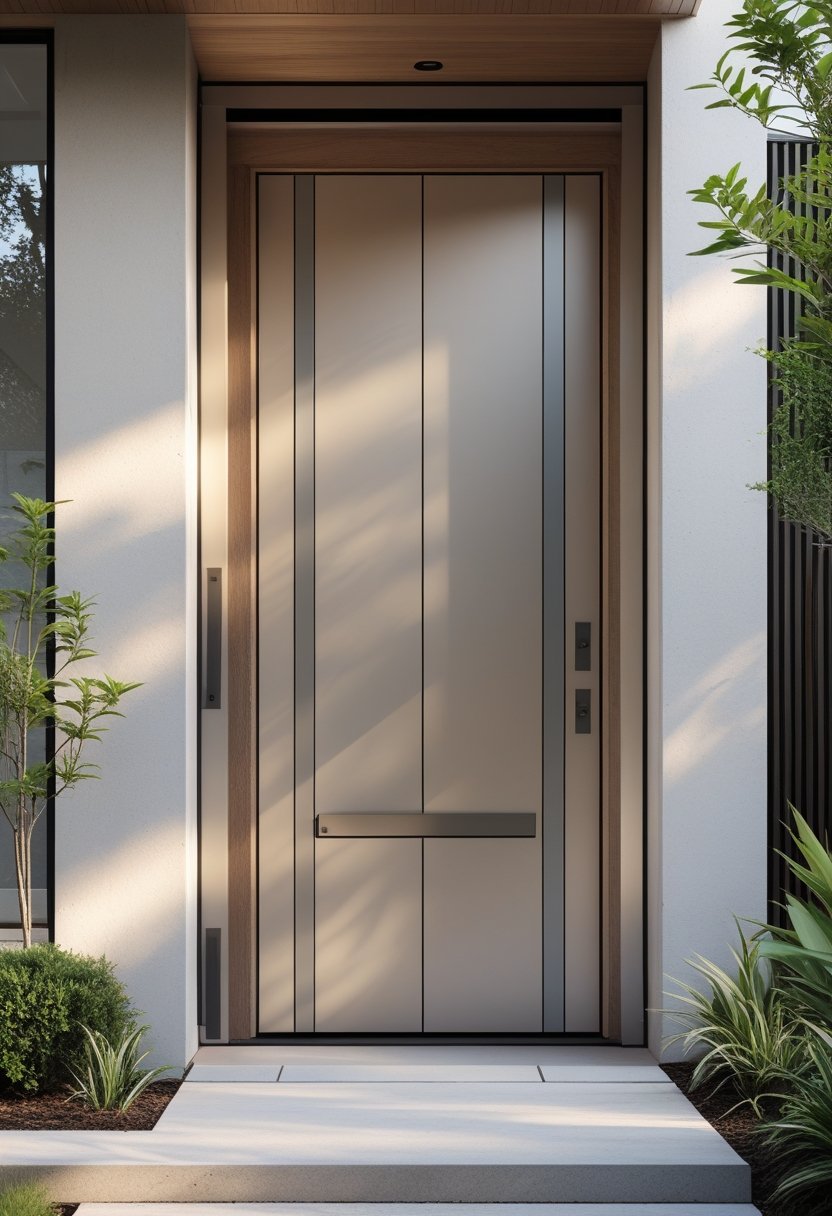
Choosing the right material impacts both the look and durability of a modern door. It shapes the aesthetic while allowing natural light and textures to enhance the entrance. Careful selection of finishes and textures ensures the door complements minimalist design without overwhelming it.
Wood Doors in Minimalist Design
Wood doors remain a popular choice for minimalist entrances because of their natural warmth and versatility. Opting for smooth, flat panels without excessive ornamentation aligns with minimalist principles. Engineered wood or laminated options can improve longevity while preserving wood’s authentic grain and color.
Selecting wood species like walnut or oak offers subtle texture variations that add visual interest without detracting from simplicity. These doors are often finished in matte or satin to reduce glare and maintain a subdued, elegant look. Careful sealing is essential to protect them from moisture and wear, especially if exposed to outdoor elements.
Matte Metal Finishes
Matte metal finishes emphasize sleekness without gloss, making them ideal for a modern door’s solid panel. Powder-coated steel or aluminum provides durability and resistance to corrosion, essential for exterior doors that face weather exposure.
These finishes avoid reflections, allowing the bold, dark color to create a striking statement. Metals also integrate well with glass panels, forming a seamless, sturdy frame around transparent elements. Hardware in matching matte tones supports a cohesive design, enhancing the door’s minimalist appeal.
Incorporating Natural Textures
Natural textures soften the sharpness of modern, minimalist doors while maintaining sophistication. Textured laminates or subtly embossed surfaces can replicate organic patterns like wood grain or stone, bridging natural warmth with architectural precision.
Pairing doors with flanking glass panels encourages natural light flow, highlighting these textures. Elements like potted plants reinforce the connection to nature without cluttering the design. These textures add depth and tactility, making the entrance inviting while preserving clean lines.
Color Trends and Statement Choices for Modern Entries

Modern front doors often use color as a key design element to create character and impact. Dark finishes, like deep matte blacks, offer understated sophistication, while bold choices such as red can provide vibrant accents. Contrasting colors enhance visibility and add distinct personality to the entryway.
Impact of Dark Finishes
Dark finishes, particularly matte black, have become widely favored for modern front doors. They convey a sleek, minimalist look that integrates well with clean architectural lines. These finishes are forgiving of dirt and wear, making them practical as well as stylish.
A large, solid dark door paired with glass panels emphasizes contrast between opacity and light. This combination allows natural light to enter while maintaining privacy. Dark doors complement metal hardware and lighting fixtures, reinforcing a contemporary aesthetic.
Using Red Doors as Accents
Red doors remain a popular choice to create a bold focal point. Their vibrant tone signals warmth and invitation, contrasting sharply against neutral exterior walls. In modern entrances, red is used sparingly to avoid overwhelming the minimalist design.
Bright or deep reds work best. A red door framed by simple, clean lines and subdued materials can energize the facade. It also pairs well with black or dark hardware, balancing tradition and modernity.
Contrasting Colors for Bold Impressions
Contrasting colors on front doors attract attention and define the entry’s character. Combinations like white with black trim or dark doors with light-colored walls improve curb appeal without excess decoration.
Homeowners may choose dark doors against lighter backgrounds or vice versa to create a statement. The impact is heightened when architectural features and lighting are designed to complement the contrast, drawing the eye and enhancing the entrance’s modern style.