

Living Room Sofa Set Guide for Stylish and Comfortable Seating
A living room sofa set is a foundational component for creating both comfort and style in a home’s main gathering space. It typically includes multiple pieces like a sofa, loveseat, and sometimes an ottoman or armchair, designed to work together in size, color, and material. Choosing the right living room sofa set means balancing aesthetics with functionality to fit the space and lifestyle.

The variety of options available today caters to different needs, from compact sets that fit urban apartments to larger, luxurious collections for spacious homes. Materials, designs, and assembly ease all play important roles in the decision-making process. Understanding these elements helps narrow down choices to find a set that delivers comfort, durability, and visual harmony.
People often look for sets that complement their existing decor while offering versatility for everyday use. A well-selected sofa set can transform the living room into a cohesive and inviting environment, making it an essential purchase for any household.
Types of Living Room Sofa Sets
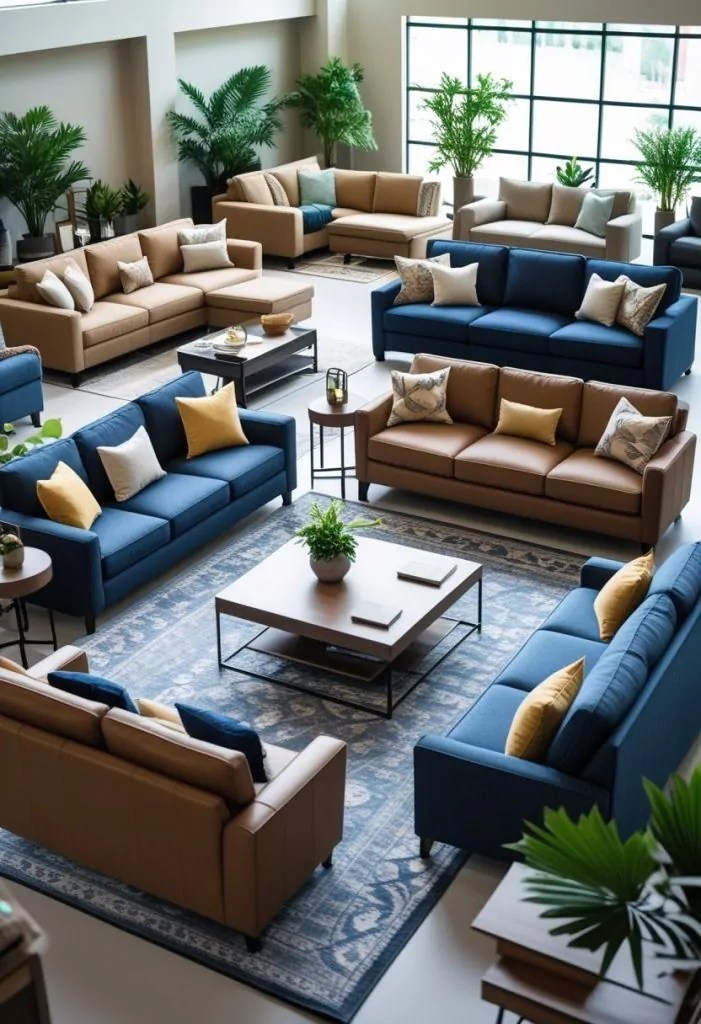
Living room sofa sets vary in design and composition, offering different seating arrangements and styles. Each type focuses on comfort, space efficiency, and aesthetic appeal, allowing buyers to match their living room needs precisely.
Sofa and Loveseat Sets
This set typically pairs a full-size sofa with a smaller loveseat. It balances seating capacity with flexibility in room arrangement. The loveseat usually seats two people, making it ideal for medium-sized living rooms.
These sets often come with matching upholstery and design elements to ensure visual cohesion. Buyers should consider the proportion of each piece to fit their room’s layout without overcrowding the space.
Sofa and loveseat sets offer practicality by providing separate pieces that can be rearranged. They suit those who want coordinated but flexible seating arrangements.
Sectional Sofa Sets
Sectionals consist of multiple connected segments that form an L-shape or U-shape. This design maximizes seating and fits well in large open areas or corner spaces.
They often include reclining or chaise lounge features for added comfort. Sectionals can accommodate families or groups and encourage social interaction by allowing everyone to face each other.
Customization is common, with options to choose fabric, color, and layout. Buyers should measure their space carefully to ensure the sectional fits without overwhelming the room.
Modular Sofa Sets
Modular sofas are made of separate units that can be combined or rearranged as needed. This flexibility supports changing living space layouts and different seating needs.
Each module functions independently but can align seamlessly with others. Modules might include armless chairs, corner units, or ottomans.
This type suits those who want a versatile and adaptable seating solution. It allows for additions or reconfigurations over time. Modular sets also encourage creativity in designing unique living room arrangements.
Sofa Sets with Accent Chairs
These sets include a sofa paired with one or more accent chairs. Accent chairs complement the sofa by adding different styles, colors, or shapes.
They enhance visual interest and provide extra seating without matching exactly. This option is good for rooms where diverse furniture pieces are desired.
Accent chairs may be recliners, armchairs, or occasional chairs. Including them offers functionality and style variation. Buyers can create focal points or contrast by selecting distinct accent chairs.
Choosing the Right Sofa Set for Your Space

Selecting the ideal sofa set depends on precise room measurements, lifestyle requirements, and thoughtful seating layouts. These factors ensure the sofa complements the living area comfortably and functionally without overcrowding or underutilization.
Measuring Your Living Room
Accurate measurements of the living room are essential before choosing a sofa set. Measure the length, width, and ceiling height to understand the available space clearly. Consider doorways and pathways to ensure the sofa can be moved in and fits without restriction.
Use a tape measure to note dimensions and mark the area on the floor with painter’s tape. This visual guide helps confirm if the sofa size is appropriate. For smaller rooms, compact or sectional sofas may work better, while larger rooms can accommodate more substantial pieces or more extensive sets.
Matching Your Lifestyle Needs
The sofa set should align with how the room is used daily. Families with children may prioritize durable, stain-resistant fabrics and sturdy hardwood frames. Individuals who entertain frequently might consider sectional sofas or additional seating options like loveseats and recliners.
Comfort features such as built-in storage, reclining functions, or modular components enhance usability. Color and fabric choices should suit the household’s maintenance preferences and décor style to maintain appearance and durability over time.
Optimal Seating Arrangements
Seating arrangements should promote ease of movement and encourage interaction. In small spaces, a 2+1+1 sofa set is effective, providing varied seating without overcrowding. For larger rooms, L-shaped or U-shaped sectional sofas create a centralized seating area ideal for conversation and entertainment.
Balance is important: keep pathways clear and avoid blocking windows or focal points. Placing sofas opposite chairs or next to coffee tables fosters a functional, inviting layout. Regularly reassess arrangement flexibility to fit changing needs or gatherings.
Style and Design Considerations

Sofa sets vary greatly in design, color, and how they fit with a room’s existing décor. Careful choices in these areas impact both the aesthetic and functionality of the living space.
Popular Sofa Set Designs
Common sofa set styles include sectional, loveseat and sofa combinations, and classic three-seaters. Sectionals offer versatility by fitting various room shapes and providing ample seating. Loveseats paired with matching sofas create balance and allow for flexible arrangement.
Modern designs tend to have clean lines and low profiles, while traditional styles feature tufted cushions and rolled arms. Some prefer modular sofas, which can be rearranged or expanded based on need.
Key factors in choosing a design include room size, seating requirements, and the desired atmosphere—whether formal or casual.
Color and Upholstery Selection
Color selection should complement the room’s palette but also consider durability and maintenance. Neutral tones like gray, beige, and taupe provide versatility and timelessness, while bold colors make a statement and reflect personality.
Upholstery materials affect comfort and care. Common fabrics include cotton, linen, and velvet, which offer softness but may require regular cleaning. Leather is durable and easy to maintain but can be less forgiving in hot climates.
For households with children or pets, performance fabrics that resist stains and wear offer practical benefits.
Coordinating with Décor
A sofa should harmonize with the room’s overall style and existing furniture. Matching the sofa’s style and scale to other pieces prevents the space from feeling disjointed or overcrowded.
Textures and patterns on pillows, rugs, or curtains can enhance visual interest without overwhelming the space. It’s important to balance contrast and cohesion—for example, pairing a smooth leather sofa with soft, patterned fabric accents.
Lighting and wall colors also influence how the sofa’s design appears, so these elements should be considered when finalizing a choice.
Materials and Build Quality

The durability and comfort of a living room sofa set depend heavily on its core materials and construction. Key factors include the strength of the frame, the type of upholstery, and the quality of cushion fillings. These elements collectively affect the sofa’s lifespan and user experience.
Frame Materials
The frame is the foundation of any sofa set and determines its structural integrity. Hardwood frames such as kiln-dried oak, maple, or ash are preferred for their strength and resistance to warping. Sofas with hardwood frames tend to last longer and offer better support.
Softwood frames or engineered woods like plywood are less durable but usually reduce the price. Metal frames provide excellent strength but are less common in traditional sofa sets. Joints should be reinforced with dowels, screws, or corner blocks instead of just glue or staples to ensure long-term stability.
Upholstery Types
Upholstery choice impacts both the visual appeal and maintenance of the sofa. Common materials include fabric and leather. Fabric options range from cotton and linen to microfiber and synthetic blends. Microfiber is favored for its stain resistance and pet-friendly characteristics, while natural fibers often feel softer but may require more care.
Leather offers durability and ages well but can be prone to scratches and may require treatment to prevent drying. Faux leather provides a budget alternative but usually wears out quicker. Upholstery material should align with lifestyle needs, especially in homes with children or pets.
Cushion Fillings and Comfort
Cushion fillings influence both comfort and the sofa’s ability to maintain shape over time. High-density foam is a popular choice for firm support and durability. Softer options include feather or down blends, which provide a plush feel but require regular fluffing and maintenance.
Some sofas use a combination of foam wrapped in a feather or fiber wrap to balance firmness and softness. Springs like sinuous or 8-way hand-tied coils beneath the cushions add to support and comfort, preventing sagging. The cushion construction should suit the user’s preference for firmness versus softness and how often the sofa will be used.
Buying, Delivery, and Financing Options

Purchasing a living room sofa set involves choices about where to buy, how it gets delivered, and how to pay for it. These factors affect convenience, cost, and timing, so customers should consider them carefully before making a decision.
Online vs. In-Store Buying
Online buying offers a wide selection and detailed product information, often including customer reviews and photos. It allows shoppers to compare models and prices across multiple brands from home. However, the buyer cannot test comfort or fabric texture until delivery.
In-store buying provides the advantage of physically trying sofas for comfort and quality. Sales staff can assist with questions and suggest alternatives. However, in-store options may be limited in variety, and prices sometimes run higher than online.
Many retailers combine both options, letting customers order online with store pickup to inspect before finalizing the purchase.
Delivery and Assembly Services
Delivery options vary by retailer but generally include home delivery with or without assembly. Some stores provide free shipping on purchases over a certain amount or charge a flat rate.
Assembly services may be available at an additional cost. Many sofa sets require minimal assembly, such as attaching legs or putting together modular pieces.
Customers should confirm delivery timelines, fees, and specific services like room placement or old furniture removal before purchase to avoid surprises. Scheduled delivery dates often depend on stock availability and location.
Financing and Payment Plans
Many furniture sellers offer financing plans such as Buy Now Pay Later, rent-to-own, or lease-to-own options. These often require no credit check and provide flexible monthly payments tailored to the buyer’s budget.
Examples include same-as-cash deals where no interest accrues if paid within the promotion period. Rent-to-own plans let customers eventually own the sofa while spreading out payments.
Consumers should review terms carefully, including interest rates, payment duration, and penalties for missed payments. Choosing the right plan enables affordable furnishing without a large upfront expense.
Care and Maintenance of Sofa Sets

Proper care includes regular cleaning, protecting the fabric or material from damage, and taking steps to prolong the sofa’s life. These actions help maintain the sofa’s appearance and functionality over time.
Cleaning Best Practices
Vacuuming the sofa weekly removes dust and debris that can wear down the fabric. Use a soft brush attachment to avoid damage. For spot cleaning, check the manufacturer’s care label for recommended cleaning agents.
For fabric sofas, a mild detergent mixed with water usually works well. Blot stains gently rather than rubbing to prevent spreading or embedding dirt. Leather sofas benefit from specialized leather cleaners and conditioners that prevent drying and cracking.
Avoid soaking cushions or upholstery, as excess moisture may cause mold or damage. Air out removable cushions regularly to reduce odors and moisture buildup.
Protecting Your Investment
Applying fabric protectors or stain guards designed for the sofa’s specific material can create a barrier against spills and dirt. These treatments should be reapplied periodically, following product guidelines.
Positioning the sofa away from direct sunlight helps prevent fading and material degradation. Use curtains or blinds in rooms with strong sunlight.
Encourage family members and guests to avoid eating or drinking on the sofa. Using throws or slipcovers in high-use areas can protect the furniture while adding an additional design element.
Longevity Tips
Rotate and flip cushions regularly to promote even wear and prevent uneven sagging. This keeps the sofa comfortable for longer periods.
Tighten screws or bolts annually to maintain frame stability. Loose parts can lead to structural damage over time.
Avoid jumping or standing on the sofa. Excessive force can weaken the frame and springs.
Periodic professional cleaning every 12 to 18 months can remove deep-seated dirt and allergens, preserving both appearance and comfort.