Minimalist Small Dining Area Ideas Before Renovation
The small dining area features a rectangular table with six chairs, designed in a modern, minimalist style. Light wooden frames paired with dark cushions create a balanced, functional look. A flat-screen television mounted above the table adds versatility, turning this space into both a dining and entertainment zone.
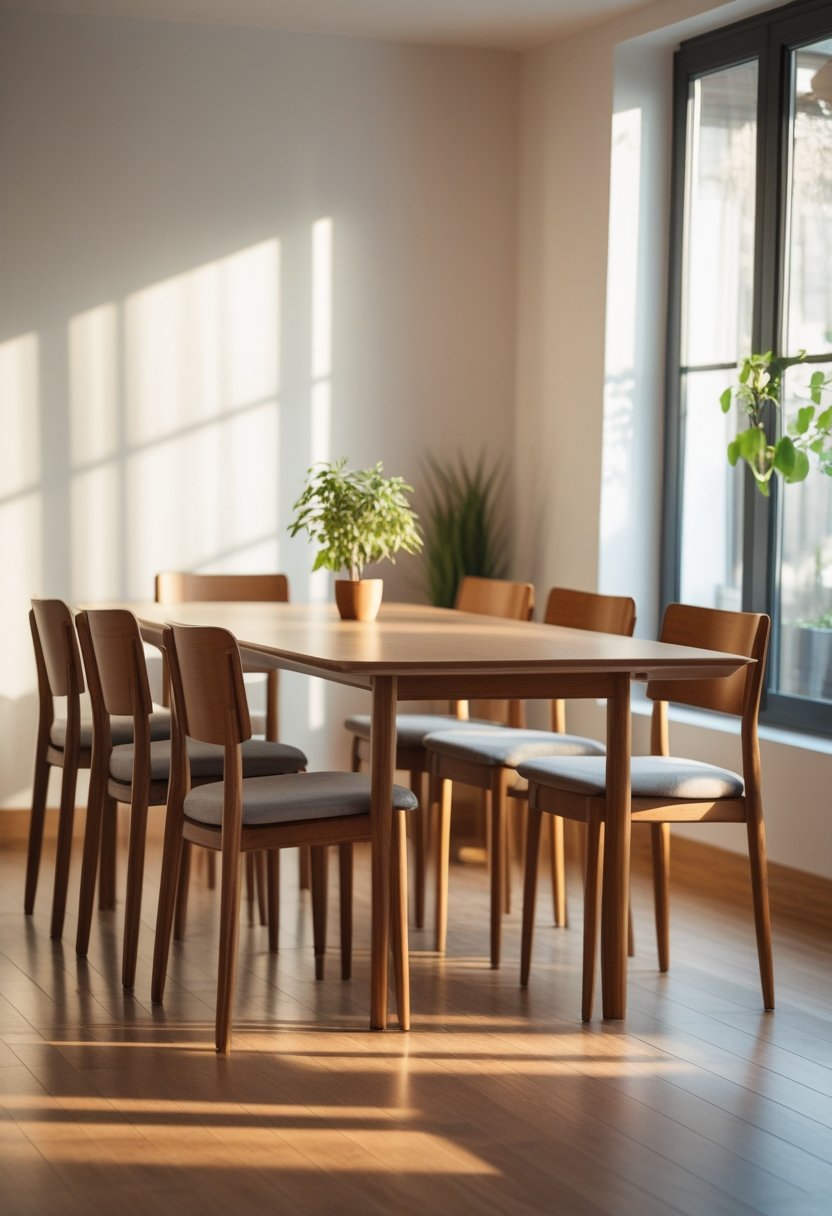
The neutral-colored rug under the table defines the dining space without crowding it, while light walls and ceiling contribute to an open, airy atmosphere. This setup demonstrates how a compact dining area can maintain simplicity and functionality without sacrificing style. The “BEFORE” label suggests this space is set for an upcoming transformation or renovation.
Overview of the Small Dining Area Setup
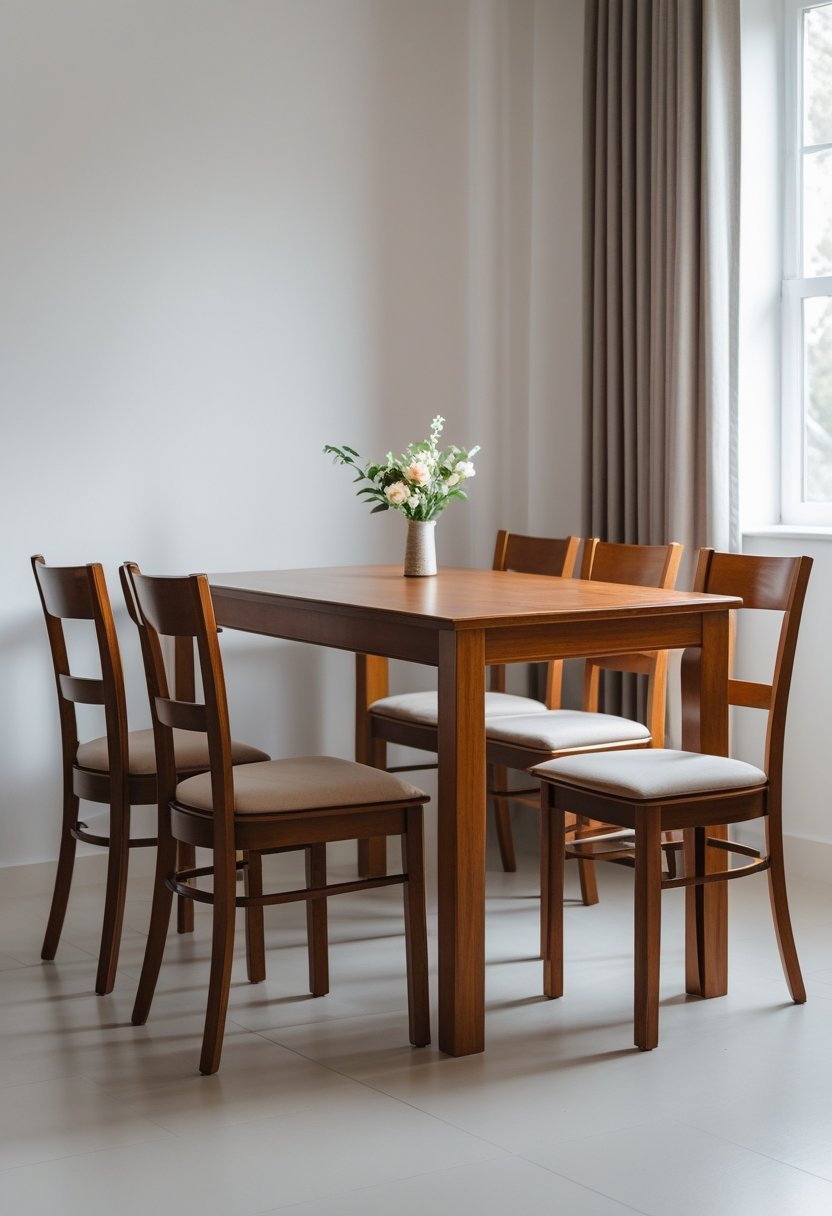
This small dining area features a carefully chosen rectangular table and seating arrangement that maximizes its compact size. The furniture’s modern, minimalist style, combined with thoughtful placement and simple decor, creates a practical yet inviting environment for dining and entertainment.
Key Features of the Dining Space
The dining table is rectangular, designed to seat six comfortably without overcrowding the room. It uses light-colored wood for the frames, which helps brighten the space by reflecting natural and artificial light. Dark cushioned seats add contrast and comfort, balancing the overall palette.
A neutral-toned rug under the table visually anchors the dining zone. This rug not only softens the floor but also defines the space within an open room layout. The walls and ceiling are painted in light shades, enhancing the airy, expansive feel crucial in small dining rooms.
Defining the Modern Minimalist Style
The furniture embraces minimalist design with clean lines and simple shapes, avoiding any ornate details. This approach keeps the room uncluttered, making it appear larger and more organized. The combination of wood and fabric materials adds texture without overwhelming the limited space.
Lighting and decoration remain restrained. The lack of excessive ornaments supports a calm, functional environment. This style choice aligns with current trends favoring simplicity and practicality in small living areas.
Arrangement and Functionality of Furniture
The six chairs are neatly arranged around the rectangular table, ensuring enough seating while allowing easy movement around the space. This setup supports both dining and multi-purpose use due to its versatility.
A flat-screen television mounted above the table transforms the area into an entertainment spot as well. This multi-functionality maximizes the utility of the small room. The placement avoids using additional floor space, which is valuable in compact layouts.
Choosing and Arranging Furniture for Small Dining Rooms

Furniture choice and placement are critical in making a small dining room both functional and visually open. Prioritizing pieces that balance size, style, and utility allows a compact space to feel less crowded and more inviting.
Selecting the Right Rectangular Dining Table
A rectangular dining table suits narrow or elongated rooms by maximizing seating without overwhelming the space. Opting for a light wood finish with slender legs helps maintain an airy appearance. Tables with clean lines and minimalist designs reduce visual bulk, preventing the room from feeling cramped.
Multi-functional tables, such as those with extendable or folding options, provide flexibility for varying meal sizes or activities. Choosing a table proportional to the room size while allowing at least 24 inches of clearance around it ensures ease of movement. This balance supports everyday dining and other uses without clutter.
Optimal Chair Styles and Placement
Chairs with slim profiles and light frames increase openness in small dining rooms. Dark, cushioned seats can offer contrast and comfort without adding heaviness. Stackable or armless models often suit compact spaces best by allowing easier access and more efficient use of floor area.
Arranging six chairs around a rectangular table demands strategic spacing to avoid crowding. Maintaining clear pathways around seating helps with circulation and keeps the room feeling organized. Lightweight chairs are easier to move, encouraging flexibility for multi-purpose use like entertaining or additional seating outside the dining area.
Space-Saving Strategies for Seating
Using benches or stools along one side of the table saves space and accommodates more guests when needed. Benches with storage underneath provide dual benefits, addressing common challenges in small dining rooms. Folding chairs or stackable seating options can be brought out only when required, keeping clutter minimal.
Placing seating close to walls or corners can open central floor space. Vertical storage solutions near the dining area help keep essentials accessible without using floor space. All furniture choices should align with a minimalist style to amplify light and openness, essential qualities for small dining environments.
Design Principles for Modern Minimalist Dining Areas
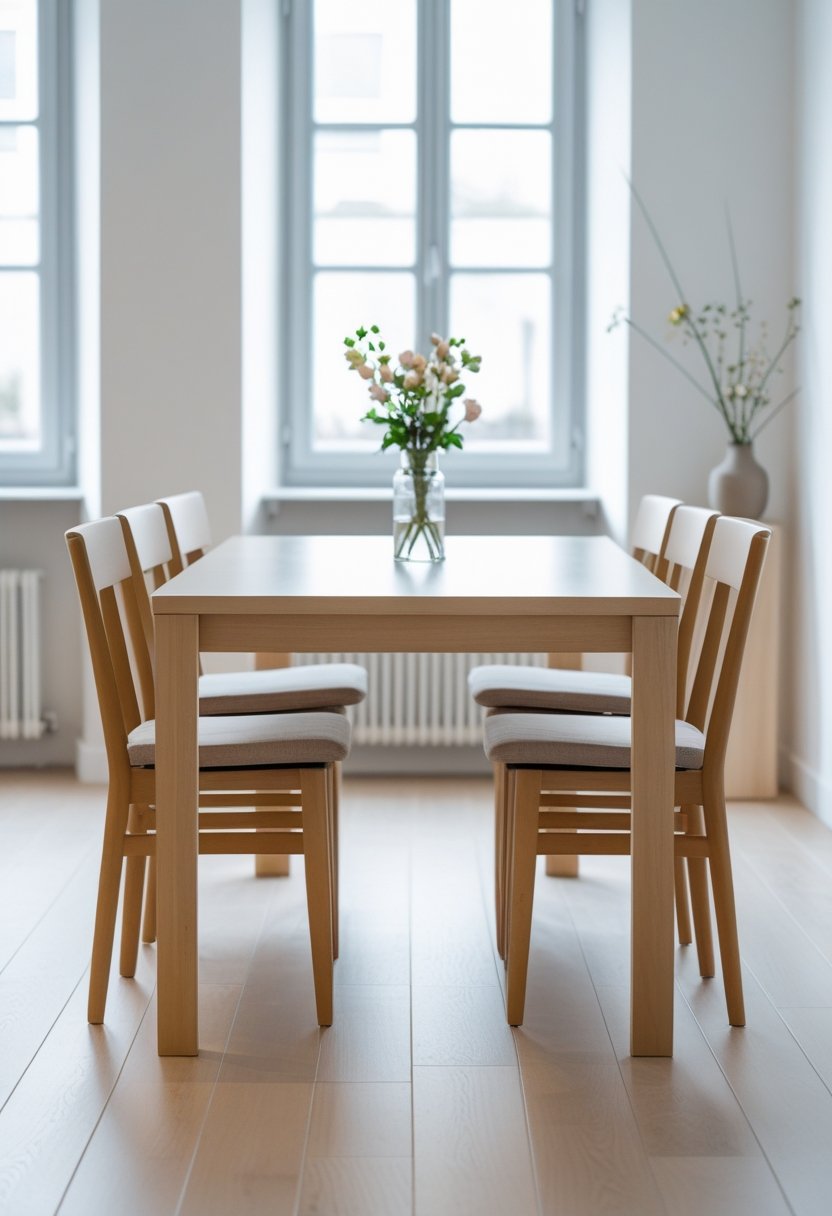
A modern minimalist dining area emphasizes functional simplicity and clean aesthetics. The careful choice of colors and maintaining openness are key to creating a calm, efficient space that works well in small or multipurpose rooms.
Incorporating Neutral Color Palettes
Neutral tones form the backbone of minimalist dining design. Shades such as soft whites, light grays, and beige provide a subtle backdrop that enhances natural light and creates a sense of spaciousness. Light-colored walls and ceilings can visually expand a small dining area, making it feel more open.
Furniture often features natural wood finishes in light hues, which add warmth without overpowering the space. Darker cushions or accents can provide subtle contrast without disturbing the overall calm. Using neutral color palettes helps integrate different elements like rugs, chairs, and tables into a cohesive environment. This approach simplifies decorating choices and supports the minimalist goal of reducing visual clutter.
Maintaining an Uncluttered and Airy Feel
Keeping the dining area uncluttered is vital to minimalist design. Furniture with clean lines and simple forms avoids visual noise. Rectangular tables and stackable or slim-profile chairs save space and maintain flow.
Minimal decor is essential—using only a few well-chosen items like a single centerpiece or a small plant. Avoiding excess accessories allows walls and floors to appear more open. In small dining rooms, removing unnecessary barriers and choosing seating that doesn’t block sight lines enhances a spacious atmosphere.
Light-colored rugs, placed only under the table, help define the area without overwhelming it. The combination of minimal furniture, limited decor, and open layouts ensures the dining space remains functional, inviting, and visually light.
Multi-Functionality in Small Dining Spaces

Small dining areas require thoughtful design to serve more than one purpose effectively. Combining functions without overcrowding is key to maintaining a neat, usable space that meets various needs.
Integrating Entertainment Elements
Incorporating entertainment into dining spaces maximizes limited room usage. Mounting a flat-screen television above the dining table, as seen in the image, allows for easy viewing during meals or social gatherings. This arrangement keeps the floor area clear and avoids additional furniture.
Positioning the TV at a comfortable height ensures it does not interfere with dining activities. It also turns the dining area into a multi-purpose zone, suitable for casual meals, watching news, or following cooking shows.
Care should be taken to maintain an uncluttered wall and avoid excessive cords or devices. Light-colored walls and minimal decor, as depicted, help keep the space open and inviting while supporting this dual use.
Maximizing Utility with Multi-Functional Furniture
Multi-functional furniture is essential in small dining rooms to optimize space and functionality. Rectangular tables with clean lines can fit neatly against walls or in corners, creating more room for movement. Chairs with light wooden frames and dark cushions provide comfort without bulk.
Foldable or extendable dining tables offer flexibility, allowing the space to adapt for varying group sizes or other activities. Furniture with built-in storage or slim profiles also reduces clutter.
Choosing materials and designs that combine durability with simplicity helps maintain a modern, minimalist aesthetic. This approach enables a cohesive look while fulfilling multiple roles within a compact footprint.
Smart Storage Solutions for Compact Dining Areas

Maximizing space in a small dining area requires practical and well-planned storage options. Effective use of hidden and vertical storage can keep the space organized without sacrificing style or comfort.
Creative Storage Under Furniture
Using the space beneath dining tables and chairs offers valuable storage without crowding the room. Tables designed with built-in drawers or shelves provide discreet spots for storing table linens, placemats, or dining accessories.
Stackable or nesting chairs free up floor area when not in use, keeping the dining zone uncluttered. Additionally, seats with internal storage compartments can hold extra cushions or small items, combining seating and storage in one piece.
Choosing furniture with multi-functionality enhances usability. For example, a bench with under-seat storage can accommodate more people while doubling as an organizer.
Utilizing Vertical Space
Vertical storage solutions make a big impact in compact dining areas by keeping surfaces clear. Floating shelves mounted on walls offer space for plates, glassware, or decorative items within easy reach.
Wall-mounted cabinets with doors maintain a clean look while providing ample room for dishes or dining essentials. Open shelves, when arranged neatly, can also help display items without crowding the table.
Incorporating hooks or pegboards near the dining space allows for hanging utensils or small baskets. This keeps frequently used items accessible and frees up drawer space for other needs.
Final Touches and Decor for a Cohesive Look

The space benefits from carefully selected elements that complement minimalist furniture and ensure harmony throughout. Attention to texture, color, and function in decor choices enhances both comfort and style without overwhelming the room’s clean lines.
Choosing Rugs and Textiles
A rug beneath the dining table should define the area while maintaining the room’s airy feel. Opt for neutral tones or subtle patterns that echo the light wood and dark cushions to tie the palette together.
Textiles must be both functional and visually light. Cushions or seat covers in natural fabrics like linen or cotton add softness without clutter. They should avoid bold prints to preserve the minimalist aesthetic.
Size matters: the rug should extend beyond the table and chairs by at least 24 inches to allow movement without catching edges. Low-pile or flat-weave rugs work best to keep the floor visually open and easy to maintain.
Simple Decorative Accents
Minimalism calls for deliberate, restrained decor. Select a few well-chosen accents that enhance without dominating. Examples include a small sculptural vase or a streamlined candle holder on the table.
Wall-mounted artwork or decor should align with the room’s clean lines and limited color palette. A single large piece with soft textures or nature-inspired elements can add warmth without clutter.
Keep surfaces mostly clear. Using one or two organic materials, like wooden or woven accents, helps introduce subtle texture and visual interest while respecting the room’s understated design.