
8 Green Wall Bedroom Ideas to Boost Air & Style Appeal
A green wall in a bedroom creates a calming and refreshing atmosphere that enhances relaxation. It can range from soft sage tones to deep emerald hues, offering versatility to match different styles and moods. Green walls also bring a sense of nature indoors, making the space feel more alive and grounded.
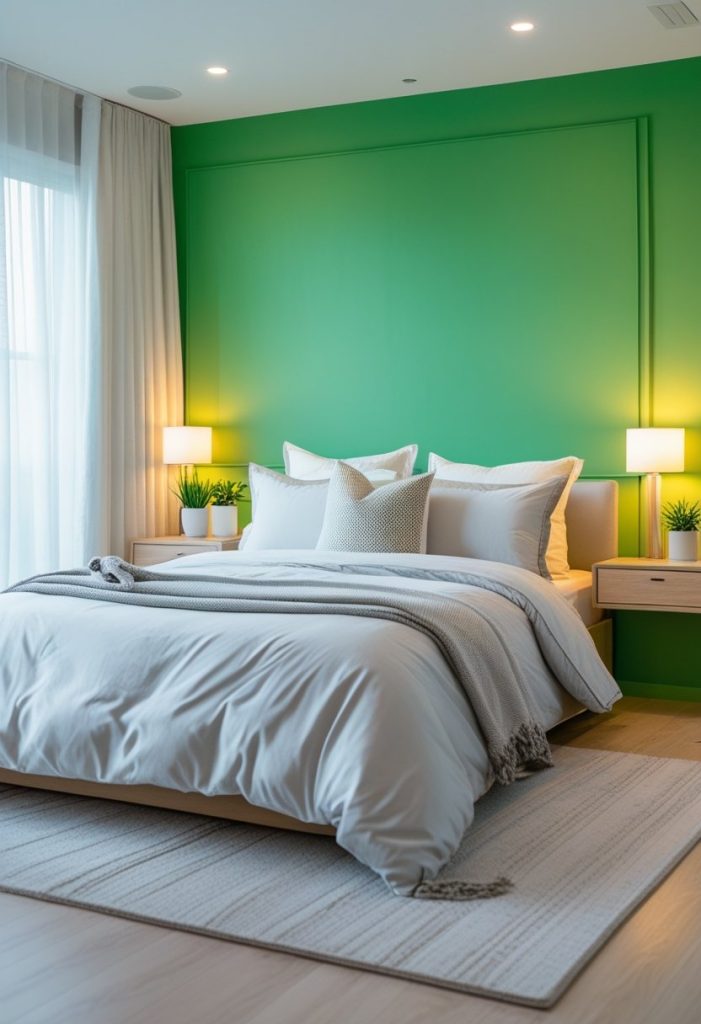
Choosing the right shade and pairing it with neutral furniture or white accents can balance the richness of green, preventing the room from feeling overwhelming. Incorporating plants or natural textures complements the green walls, adding depth and cohesion to the design. This approach transforms the bedroom into a peaceful retreat suitable for rest and rejuvenation.
Benefits of a Green Wall in the Bedroom
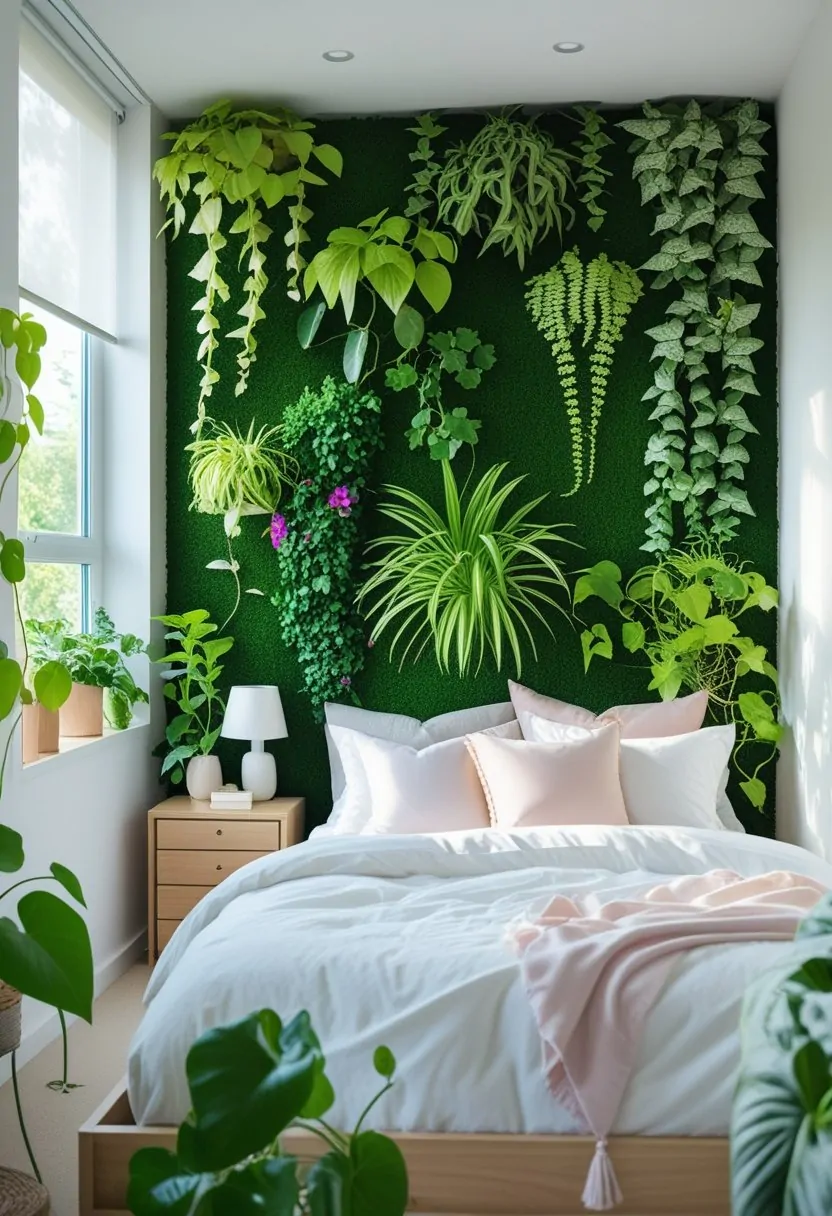
A green wall in the bedroom can influence emotions and mental states while also enhancing connection with nature. Specific shades like forest green and sage green offer distinct effects that promote calm and relaxation. These elements combine to create a restful environment suited for sleep and focus.
Mood and Psychological Effects
Green walls in the bedroom are associated with reduced stress and anxiety. The color green, especially deeper tones like forest green, often creates a cozy atmosphere that helps occupants feel grounded. It encourages mental clarity and improves focus, which can be beneficial even in spaces primarily meant for rest.
Sage green, a lighter, softer hue, tends to promote calmness and tranquility. Both shades reduce overstimulation and visual fatigue, making them ideal for a restful environment. The psychological effect stems from green’s balance between being energizing and soothing. Bedrooms painted in green often feel more peaceful compared to more vibrant or neutral colors.
Connection to Nature and Relaxation
Green walls bring a subtle reference to the outdoors, tapping into the natural environment’s calming influence. Sage green and forest green mimic foliage, which helps foster a sense of freshness and renewal in the room. This connection can support relaxation and improve sleep quality by making the space feel more natural and less artificial.
Incorporating green tones in the bedroom also visually expands the space, which can reduce feelings of confinement. The natural association with greenery often leads to a lowered heart rate and decreased stress hormones, which further aids relaxation. This makes green walls a practical choice for anyone seeking balance and serenity in their sleeping area.
Choosing the Perfect Shade of Green
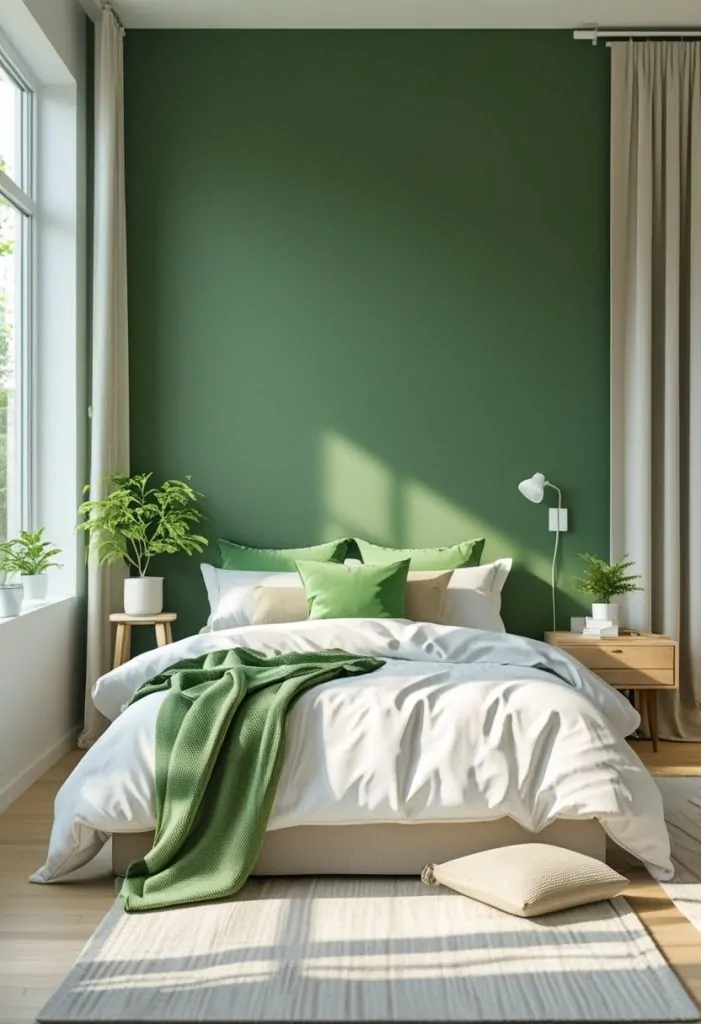
Selecting the right green for a bedroom involves balancing light, mood, and personal taste. Various shades offer distinct atmospheres, from deep and moody to fresh and airy. Understanding the qualities of different greens helps in making an informed choice that suits both style and functional needs.
Dark Greens: Sophistication and Depth
Dark green shades like forest green, hunter green, and deep forest green create a rich and sophisticated ambiance. They work well in larger bedrooms with ample natural light, as these colors can absorb light and make a room feel smaller if used in darker or confined spaces.
These greens add depth and a grounding effect, pairing well with wood tones and metallic accents. Emerald green offers a jewel-like luxury, while hunter green and olive green lend an earthy, calming presence. Dark greens often require balance with lighter furniture or textiles to avoid feeling too heavy.
Light Greens: Airy and Refreshing Vibes
Light greens such as mint green, seafoam green, and soft sage brighten a room and evoke a sense of airiness. These shades are ideal for smaller rooms or bedrooms with limited natural light, as they reflect light and open up the space.
Mint green provides a crisp, clean look, often associated with freshness, while soft sage gives a muted, soothing quality that leans toward neutrality. Seafoam green combines subtle blue undertones, enhancing a tranquil atmosphere. These colors work well with whites and soft grays for a minimal, modern feel.
Muted and Earthy Greens
Sage green and avocado green are examples of muted, earthy greens that offer subtle warmth and natural inspiration. These tones draw from nature without overwhelming the senses, creating a restful environment ideal for bedrooms.
Sage green is versatile, blending easily with wooden or neutral furnishings and lending a timeless appeal. Avocado green, richer and slightly more yellow, adds a retro or mid-century touch. Both hues harmonize with textured fabrics and plants, emphasizing comfort and balance.
Bold and Vibrant Greens
Bold greens like lime green and teal inject energy and character into a bedroom. These shades are best used as accent walls or in combination with neutral elements to prevent visual overstimulation.
Lime green stands out as bright and lively, perfect for those seeking a playful or modern edge. Teal merges blue and green tones, offering intensity without overwhelming the space. Both shades require careful consideration of lighting and complementary decor, as their vibrancy influences the overall mood dramatically.
Types of Green Wall Treatments

Green walls in bedrooms can be approached through various treatments that influence the room’s mood and style. These methods include different paint techniques, decorative wallpapers, and textured or paneled designs that add dimension and detail.
Paint Options for Green Walls
Paint offers flexibility with shades, finishes, and techniques to enhance bedroom green walls. Light greens, such as sage or mint, help open smaller spaces, making them feel brighter and airier. Darker greens like emerald or forest create a cozy, intimate atmosphere, especially when used on an accent wall behind the bed.
Finish choices include matte, satin, and semi-gloss, each affecting light reflection and texture. Matte finishes soften a space with minimal shine, ideal for restful bedrooms. Satin adds subtle sheen, balancing brightness and warmth. Painted accent walls can be plain or feature ombré effects and geometric shapes for artistic flair.
Wallpaper and Botanical Prints
Green wallpaper adds pattern and texture, transforming plain walls into visual focal points. Botanical prints, featuring leaves or floral motifs, bring a natural vibe indoors, complementing green hues with design depth. They work well on accent walls, especially behind the headboard, adding interest without overwhelming.
Wallpaper materials vary from traditional paper to textured vinyl, affecting durability and feel. Some wallpapers combine multiple shades of green, creating layered effects ideal for nature-inspired or tropical designs. These options provide a rich, decorative alternative to painted walls.
Textured and Panel Wall Ideas
Textured walls and paneling add physical depth and architectural interest to green bedroom walls. Beaded wood paneling, shiplap, or raised molding painted in shades of green creates subtle contrast and tactile appeal. These treatments highlight trim work or wall sections, often used behind beds as statement designs.
Materials used may include wood, MDF, or synthetic panels, finished with green paint or stain. Combining texture with varying green tones can evoke a natural or modern feel, depending on the panel style. This approach also helps break up large wall expanses, making the bedroom space feel more structured and refined.
Green Accent Wall Design Ideas

A green accent wall can dramatically alter a bedroom’s atmosphere through thoughtful placement, complementary decor, and creative patterns. Choosing the right shade and pairing it with specific textures or colors can elevate the room’s style and focus.
Focal Point Behind the Bed
Positioning a green accent wall directly behind the bed establishes a strong visual anchor. Shades like forest green or deep teal provide a rich backdrop that highlights the headboard and frames the sleeping area.
This wall can remain simple or incorporate subtle texture such as wood paneling or matte finish paint. The accent wall draws attention without overwhelming, allowing the bed to become the room’s centerpiece.
Natural materials like rattan or woven baskets complement this look, offering tactile contrast. In smaller bedrooms, this approach creates a sense of depth and serenity while keeping the design balanced and uncluttered.
Contrasting with Furniture and Decor
Effective contrast enhances a green accent wall’s impact. Pairing bold hues like forest green with lighter furniture in white, beige, or soft pinks adds brightness and avoids heaviness.
Pink accents, whether through pillows, throws, or art, offer a modern, fresh counterpoint to the green. Wood tones and brass or gold fixtures introduce warmth and elegance, creating a layered, inviting space.
Velvet curtains or chunky knit throws enrich the tactile experience and add dimension. Ensuring contrast remains intentional helps maintain harmony and prevents the green from overpowering other room elements.
Abstract and Geometric Patterns
Breaking up a green accent wall with abstract or geometric shapes creates visual interest without relying on artwork. Different green shades can be combined in irregular panels or stripes to add depth.
Geometric wall panelling, arranged diagonally or in bold lines, modernizes the space and introduces texture. This method works especially well with forest green or teal, which can anchor sharp, clean patterns.
Using these designs behind the headboard transforms the wall into an architectural feature. It offers a creative alternative to a solid color while maintaining the calming qualities green brings to the bedroom environment.
Pairing Green Walls with Bedroom Styles

Green walls can set different moods depending on the style and shade chosen. Cool greens like soft sage and mint work well with lighter, airy decor, while deeper greens such as olive, hunter, or emerald add richness and depth. The right pairing depends on balancing green tones with furniture, textiles, and room accents to create harmony.
Modern and Contemporary Bedrooms
In modern bedrooms, mint green or soft sage walls complement clean lines and minimalistic furniture. These lighter greens create an airy, fresh atmosphere ideal for Scandinavian or mid-century modern designs. Pairing green walls with white or light wood furniture emphasizes simplicity and brightness.
Deeper shades like emerald green can also work if paired with sleek, neutral elements such as black metal frames or glass. Adding geometric patterns or subtle textures on bedding and curtains enhances the contemporary aesthetic without overwhelming the space.
Traditional and Farmhouse Bedrooms
Traditional and farmhouse bedrooms benefit from warmer, earthier green tones. Olive green and hunter green walls provide a cozy backdrop that complements wooden furniture, vintage accents, and natural textiles.
Textures like beadboard or paneling painted in these greens add timeless character and warmth. Layering the space with off-white or beige linens and soft lighting supports the inviting, grounded feel typical of farmhouse or classic styles.
Color Schemes and Accent Colors for Green Bedrooms
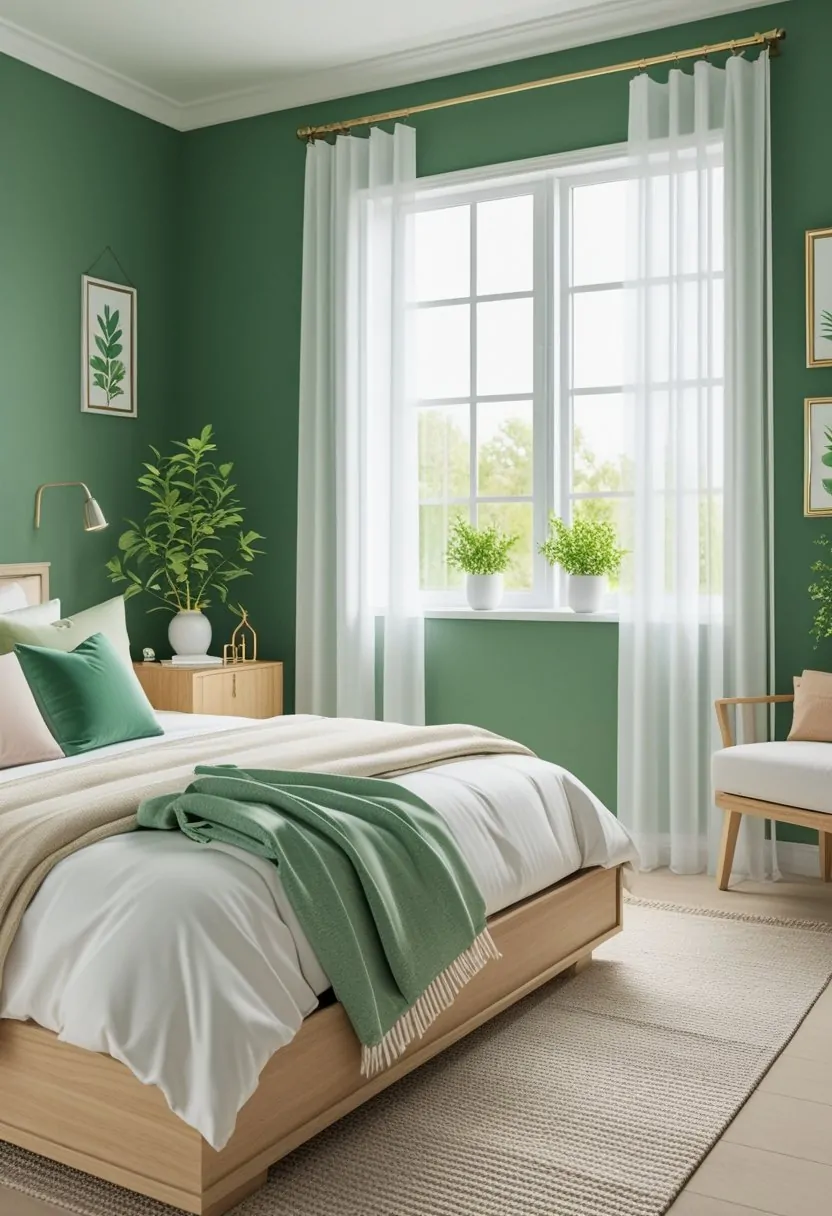
Choosing the right colors to complement a green bedroom can enhance its atmosphere and create balance. Effective combinations include neutrals that soften the green, carefully selected pink tones for contrast, and the warmth of natural wood and metallic touches to add depth.
Neutral Accents and Layering
Using neutrals in a green bedroom creates a calm and cohesive look. Shades such as beige, soft grays, and crisp whites work particularly well with green walls like forest green or sage green. These colors can be applied in bedding, rugs, and curtains to layer the room without competing with the green accent wall.
Neutral tones allow stronger greens, like teal or deep forest green, to stand out while maintaining a tranquil atmosphere. Textures play a key role here; linen, cotton, and smooth matte finishes balance the vibrancy of green by adding subtle variation and depth.
Adding Pink Accents
Pink accents introduce a lively contrast to green bedroom walls. Muted pinks or dusty rose shades complement tones such as sage green or teal without overwhelming the space. Items like throw pillows, small decorative objects, or floral artwork add warmth and softness.
This pairing works well because pink sits opposite green on the color wheel, creating a balanced visual tension. It brightens the room subtly, especially when the green wall serves as a deep background. Avoid overly bright or neon pinks as they can clash with natural greens and make the room feel unbalanced.
Incorporating Natural Wood and Metallics
Natural wood elements enhance the organic feel of green bedrooms, especially with colors like forest green or soft sage. Furniture pieces made of oak, walnut, or ash introduce warm tones that contrast the coolness of green paint. Wood also adds texture and a grounded quality that balances the intensity of a green accent wall.
Metallic finishes such as brushed brass, matte gold, or copper act as sophisticated highlights. These materials work well for light fixtures, drawer handles, or decorative bowls. The reflective qualities of metallics complement green’s depth, while their warm hues prevent the room from feeling cold or monotone.
Frequently Asked Questions

Green bedroom walls work best with colors that balance their natural vibrancy while enhancing calmness. Proper lighting creates depth and highlights the green tones. Decor styles should harmonize with green’s organic feel or offer striking contrasts. Design trends with dark green focus on texture and warmth, and sage green integrates easily with rustic or natural elements. Furniture choices depend on the shade of green and the desired atmosphere.
What are the best color combinations to use with green walls in a bedroom?
Soft neutrals like beige, cream, and gray pair well with green to maintain a peaceful environment.
For a bolder look, mustard yellow, navy blue, or deep browns add contrast without clashing. Natural wood tones also complement green walls effectively.
How can lighting be optimized for bedrooms with green walls?
Natural light enhances lighter green shades and makes the room feel airy.
Warm white bulbs work best to soften darker green walls, preventing the room from feeling cold or gloomy. Layered lighting with bedside lamps and overhead fixtures adds flexibility.
Which styles of decor complement a green wall bedroom most effectively?
Rustic and bohemian styles emphasize green’s connection to nature through materials like rattan and jute.
Modern minimalist décor benefits from using green as a bold accent alongside clean lines and muted accessories.
What are the trending design ideas for bedrooms with dark green walls?
Using textured wallpapers or matte finishes adds depth without overwhelming the space.
Incorporate warm metals like brass or gold in fixtures and décor to create contrast and elegance. Layer textiles such as velvet pillows or wool throws to add warmth.
How can I incorporate sage green into my bedroom design?
Sage green works well on accent walls or through textiles, such as curtains and bedding.
Pairing sage with natural accents like wooden furniture or woven rugs embraces a calm, rustic style. It also blends nicely with soft whites and creams for a serene effect.
What types of furniture work best in a bedroom with light green walls?
Light wood furniture enhances the freshness of light green walls and maintains an airy, open feel.
White or cream-colored furniture provides a clean backdrop and prevents the space from feeling too saturated. Upholstered pieces in neutral or earth tones offer subtle contrast.