
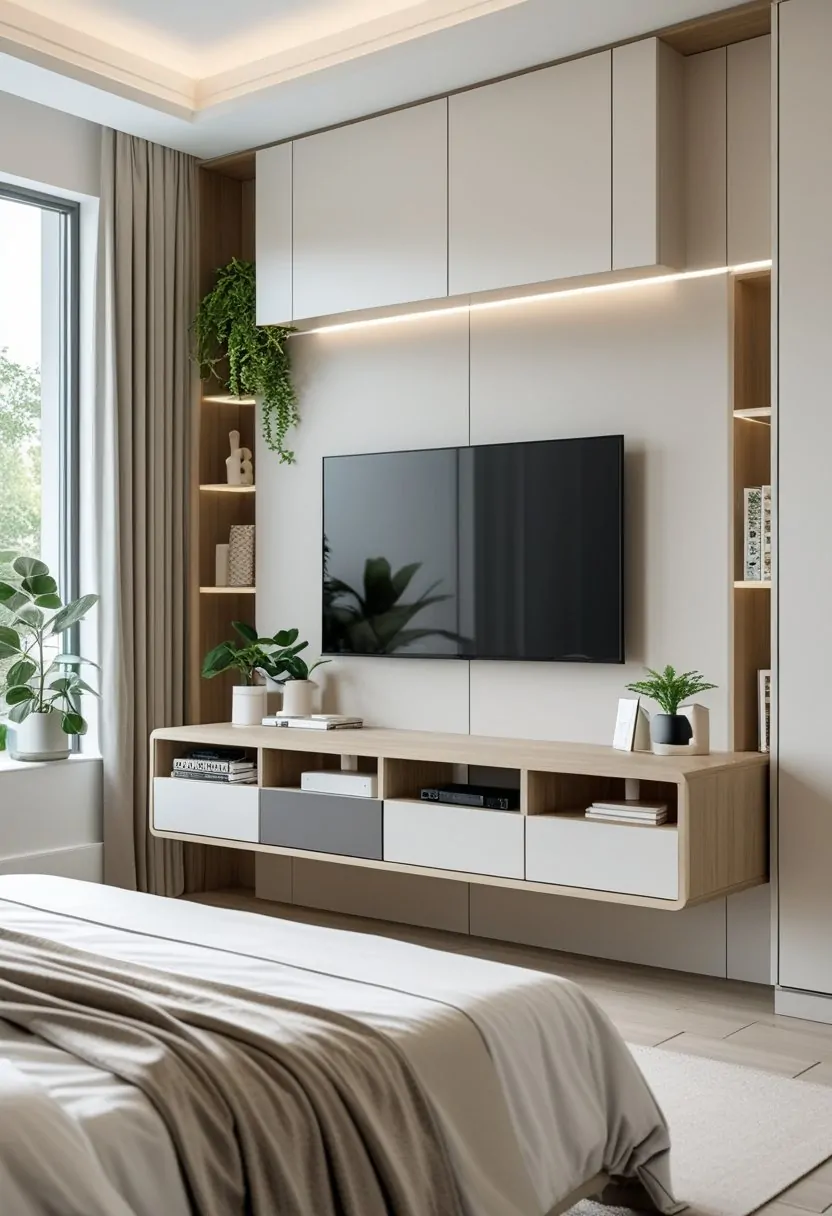
07 Bedroom TV Unit Design Ideas for Stylish and Functional Spaces
A bedroom TV unit design plays a crucial role in balancing functionality and style within a personal space. It serves not just as a place to hold a television, but also as a solution to manage cords, provide storage, and complement the room’s overall aesthetic. Choosing the right TV unit can transform a bedroom into a comfortable entertainment and relaxation zone without sacrificing design coherence.

Modern designs range from minimalist wall-mounted panels to rustic wooden units with built-in storage, each offering different benefits depending on space and preference. Integrating a TV unit effectively ensures the bedroom remains uncluttered while supporting multimedia use, whether for entertainment or virtual workouts.
The variety of options available today allows customization that fits any bedroom size or decor style. Thoughtful TV unit design enhances both practical needs and visual appeal, making it a valuable element in bedroom planning and decoration.
Essential Elements of Bedroom TV Unit Design
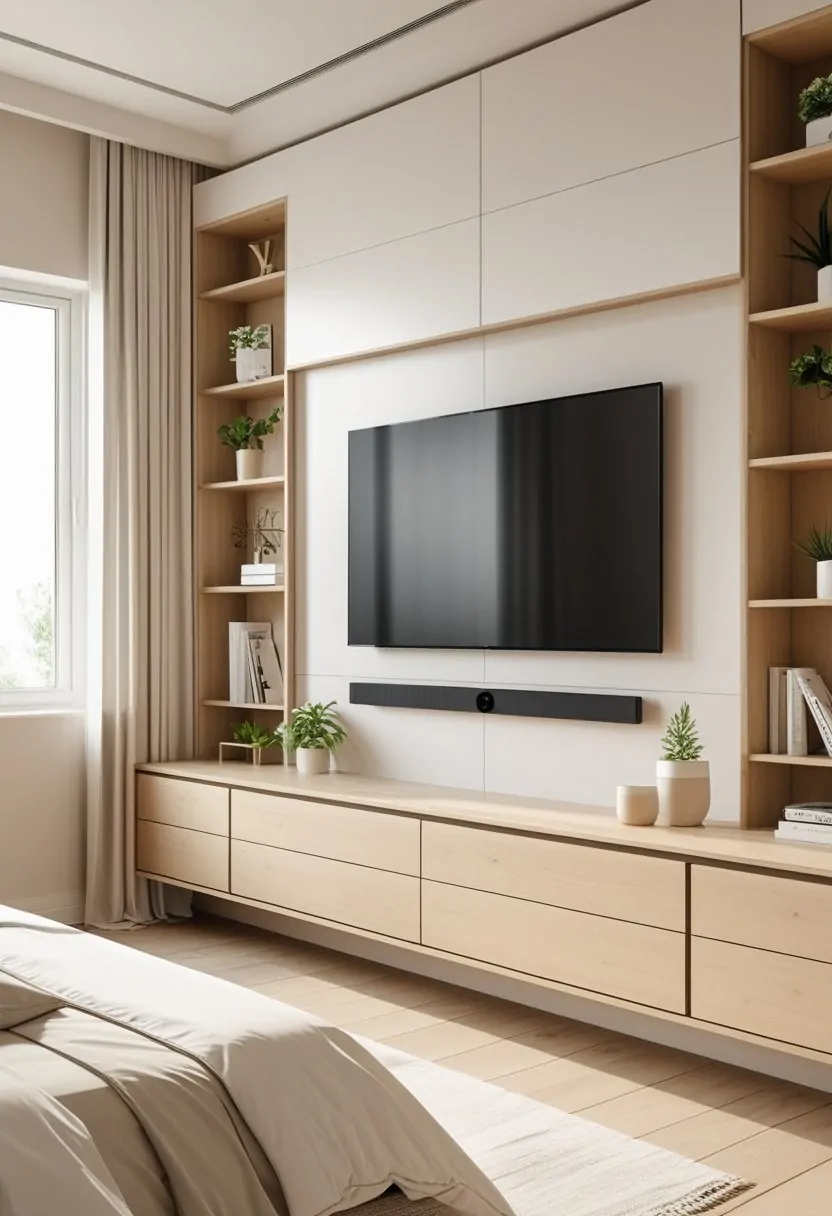
A well-designed bedroom TV unit balances functionality, aesthetics, and space efficiency. It considers the size, style, and positioning of the unit to enhance the viewing experience while complementing the bedroom decor. Storage options and ease of access also play critical roles in choosing the right design.
Key Considerations for Choosing a TV Unit
The TV unit size must correspond to the TV dimensions and bedroom space. Units designed for TVs up to 70 inches accommodate most modern screens, while smaller units fit compact rooms. Material choice impacts durability and style; wood offers warmth, while metal or glass suits modern designs.
Storage is another key factor. Drawers and shelves provide space for media devices, books, and other bedroom essentials, helping to reduce clutter. Multi-functional units that double as desks or storage can maximize utility, especially in limited space.
Style should match the bedroom’s overall decor. Minimalist, floating units work well in contemporary rooms, while paneled or cabinet styles fit traditional or rustic interiors. The design should also allow for proper ventilation and cable management.
TV Placement and Viewing Angles
The optimal position for a bedroom TV unit is usually at the foot of the bed or mounted on the wall opposite the sleeping area. Viewing angle matters; the screen should be positioned at eye level when seated or lying down to reduce strain on the neck and eyes.
Distance between the TV and the viewer depends on screen size. A general rule is 1.5 to 2.5 times the diagonal size of the TV. For example, a 50-inch TV should be viewed from 75 to 125 inches away.
Glare and lighting conditions should also be considered. Position the unit to minimize reflections from windows or lamps, which can interfere with picture quality. Adjustable mounts or swivel stands can offer flexibility in positioning.
Optimizing Space and Layout
Efficient use of space is essential, especially in small bedrooms. Floating TV units free up floor space, creating a clean, open look. Combining storage with the TV unit ensures books, electronics, and decor remain organized and accessible.
Layout should allow easy movement around the room. The TV unit should not block doorways or windows. Small or narrow bedrooms benefit from compact units with vertical storage or wall panels.
Incorporating shelves or display areas around the TV adds personality without clutter. Using curved edges or materials that match other furniture pieces helps maintain a cohesive and balanced room design.
Popular Bedroom TV Unit Design Styles
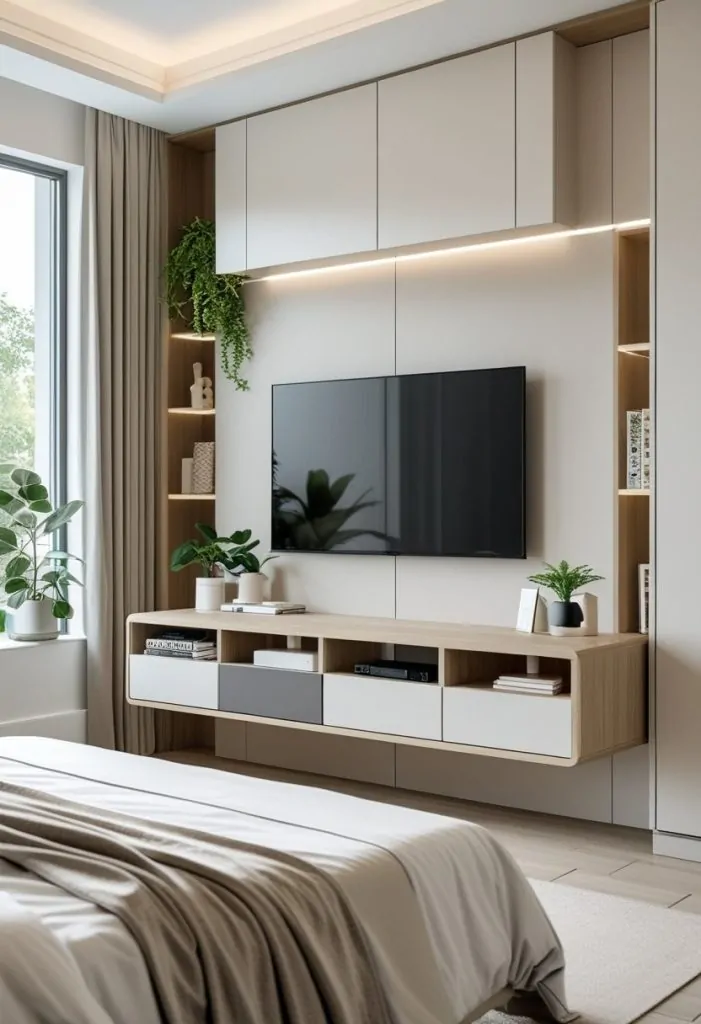
Bedroom TV unit designs vary widely, tailored to suit different tastes and room layouts. These styles focus on balancing aesthetics with functionality, offering both storage and display options. Key choices often revolve around material, form, and integration with the bedroom’s overall decor.
Modern Minimalist Designs
Modern minimalist TV unit designs emphasize clean lines, simplicity, and functionality. These units typically feature sleek surfaces, often in neutral colors like white, black, or grey, blending seamlessly with contemporary bedroom decor.
Storage is integrated subtly, with concealed compartments or drawers to reduce clutter. Materials such as metal, glass, and polished wood are common, contributing to a streamlined, open feel. Minimalist units often avoid excessive ornamentation, focusing instead on maximizing space and maintaining a calm visual flow.
This style suits small to medium bedrooms where maximizing space without overwhelming the room is a priority. It supports easy maintenance and pairs well with modern furniture and tech setups.
Classic and Wooden Styles
Classic wooden TV unit designs bring warmth and traditional appeal to bedroom spaces. They often use rich woods like oak, walnut, or teak, with visible grains and textures that add character.
These units may include ornate detailing, paneled doors, and sturdy frames, reflecting timeless craftsmanship. Wood tones vary from dark, polished finishes to lighter, rustic looks, catering to different interior themes like rustic, vintage, or farmhouse.
Functionality is usually balanced with aesthetics, offering spacious storage through cabinets and shelves. Wooden units are durable and often become focal points in larger bedrooms where style and substance matter equally.
Contemporary Floating Units
Floating TV units are modern, wall-mounted designs that create a light, airy feel in the bedroom. These units free up floor space, making the room appear larger and cleaner.
Typically made of lacquered wood, MDF, or engineered materials, floating units often come with built-in shelves or cabinets for media devices and accessories. Their sleek profiles emphasize horizontal lines and minimal visible hardware.
This style is ideal for bedrooms with limited floor space or for those seeking a clutter-free environment. Floating units integrate technology discreetly and are often paired with LED lighting to enhance aesthetic appeal without overwhelming the space.
Small Bedroom TV Unit Solutions
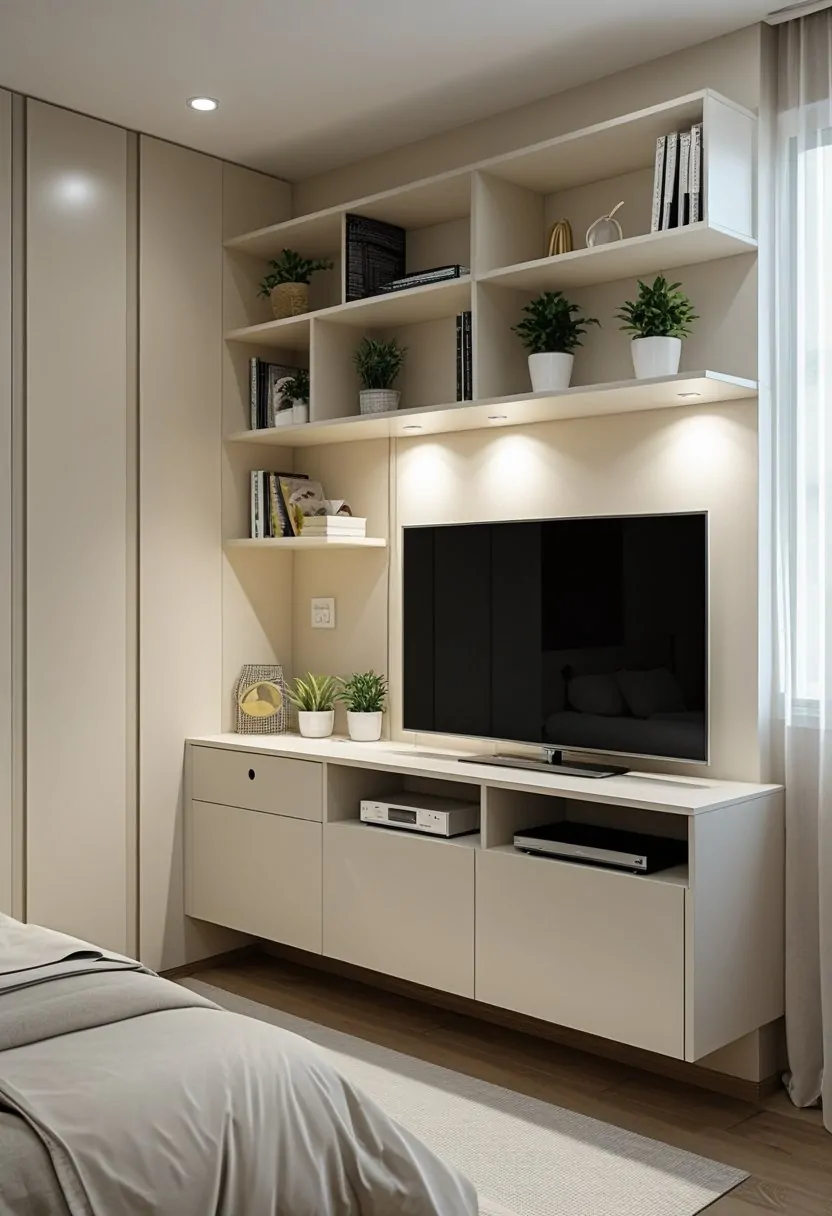
Maximizing space without sacrificing style is essential in small bedrooms. Effective TV unit designs combine functionality and compactness to fit limited areas while providing storage and media organization.
Compact TV Units for Limited Spaces
Compact TV units prioritize minimal footprint while offering enough surface area for TVs and basic accessories. These units often measure under 48 inches wide, ensuring they fit small bedroom walls or corners easily.
They typically include slim drawers or open shelves to accommodate remotes, books, and media devices without crowding the room. Lightweight materials like MDF or metal frames help maintain airiness.
Choosing a compact unit with clean lines and neutral colors supports a less cluttered look. It helps keep the bedroom feeling spacious by reducing visual weight and avoiding bulky shapes.
Multi-functional TV Units
Multi-functional TV units offer dual or triple uses that address storage challenges common in small bedrooms. For example, some include pull-out desks, built-in drawers, and compartments for clothing or electronics.
This design efficiently combines entertainment with practical bedroom needs. It allows users to clear bedroom clutter by storing essentials in one integrated piece of furniture.
Quality multi-functional units support TVs up to 70 inches while providing varied storage options such as adjustable shelves or concealed cabinets. This turns the TV unit into a central hub without taking extra floor space.
Space-Saving Wall-Mounted Options
Wall-mounted bedroom TV units free up floor space and enhance room flow in small bedrooms. These units usually consist of floating shelves or panels with cable management systems to reduce wire clutter.
They support TVs through secure brackets while offering shelves for soundbars, consoles, or decorative items. The height can be customized to optimize viewing angles and keep the room open.
Wall installations work well with minimalist bedroom designs, improving organization without furniture bulk. Installation should ensure sturdy wall support to hold the TV and storage safely.
Customization and Built-In Options

A bedroom TV unit design can be tailored to maximize space and meet specific needs. Custom-built units often combine storage solutions with functionality, fitting various room sizes and styles without overwhelming the space.
Built-In TV Units with Storage
Built-in TV units offer a seamless look by integrating the TV and storage cabinetry into the bedroom wall. These units free up floor space, creating a cleaner and more open environment.
Storage options include hidden drawers, adjustable shelves, and media compartments designed to organize electronics, remotes, and cables efficiently. Materials vary from wood to laminate, allowing customization to match bedroom decor.
Lighting features like dimmable LED strips can be added behind or within the unit to reduce eye strain during viewing and to highlight decorative elements around the TV.
Integrated Study and Workspaces
A custom bedroom TV unit can also incorporate a workspace or study area, optimizing multifunctionality in limited space. This setup combines a desk surface, storage drawers, and shelves with the TV unit, allowing the occupant to switch easily between work and relaxation.
Designs emphasize compactness and efficient use of space, often including cable management systems to keep electronics tidy. Adjustable shelving accommodates books or office supplies, while the work surface can be sized according to room dimensions.
This multifunctional approach suits bedrooms needing both entertainment and productivity zones without adding extra furniture.
Material Selection and Finishes

Selecting the right materials and finishes for a bedroom TV unit involves balancing durability with aesthetics. Attention to both the construction material and surface treatment ensures the unit withstands everyday use while enhancing the bedroom’s style.
Choosing Durable Materials
Medium-density fibreboard (MDF) with a laminate finish is a popular choice due to its resistance to moisture and ease of maintenance. It offers a good balance between cost and durability, making it suitable for most bedroom environments.
Solid wood options like oak or walnut provide long-lasting strength and natural appeal but require more care to avoid damage from humidity. Metal frames can add structural support and modern flair but are less common standalone materials for bedroom TV units.
Laminate surfaces are scratch-resistant and stain-resistant, ideal for family homes where wear and tear are a concern. Combining MDF or plywood with metal accents can improve durability while keeping the design light and functional.
Color Schemes and Surface Finishes
Laminate finishes offer vast color and texture options, including wood grains and stone-like patterns, allowing customization to match bedroom décor. Matte laminates reduce glare, which is preferable for TV viewing areas.
For a sleek and modern look, glass panels or glossy finishes reflect light and add sophistication but require regular cleaning to maintain their clarity. Wood finishes, either natural or painted, add warmth and can be sealed for extra protection.
Neutral colors like white, grey, or beige provide versatility and blend well with most bedroom palettes. Bold colors or metallic accents work better as statement pieces in minimalist rooms, drawing attention to the TV unit without overwhelming the space.
Enhancing Style and Functionality

A well-designed bedroom TV unit balances visual appeal with practical use. Integrating thoughtful details improves both the ambiance of the room and the daily ease of using the space.
Lighting and Decorative Elements
Incorporating lighting directly into bedroom TV unit designs elevates both style and usability. LED strip lights placed behind the TV or within shelving add subtle backlighting that reduces eye strain during nighttime viewing. Adjustable lighting options, like dimmable fixtures or warm-tone bulbs, create a comfortable atmosphere without overwhelming the room’s peaceful vibe.
Decorative items such as minimal sculptures, framed photos, or small plants can be incorporated on open shelves or atop the unit to complement the TV and overall decor. Careful selection of these elements keeps the focus on the entertainment setup while enhancing the bedroom’s character. Clean lines and neutral colors in the unit’s materials help maintain a cohesive, understated look.
Cable Management and Organization
Effective cable management is crucial for maintaining a clean, organized TV space. Bedroom TV units with built-in channels or compartments hide wires, reducing clutter and hazards. Using cable ties or clips inside these compartments ensures cords stay fixed and untangled.
Storage drawers or cabinets designed into the unit provide space for remotes, gaming accessories, and media players, keeping surfaces clear. It is also practical to consider units with easy access panels for quick maintenance or device swapping without disturbing the whole setup. This focus on organization supports a streamlined entertainment area within a restful bedroom environment.


