
Home Decor Ideas Living Room to Transform Your Space Effortlessly
Creating a stylish and functional living room begins with understanding how to balance comfort, personality, and practical use. The best home decor ideas for living rooms focus on making the space inviting for both everyday living and social gatherings while reflecting personal style. This can be achieved through a thoughtful selection of furniture, colors, lighting, and accessories tailored to the room’s size and layout.

Living rooms often serve multiple purposes, so choosing decor that complements how the space will be used is essential. Incorporating key elements like seating arrangements that encourage conversation, well-placed lighting for different moods, and storage solutions keeps the room adaptable and organized. By blending these elements thoughtfully, a living room can become a welcoming centerpiece in any home.
Essentials of Living Room Decor

A well-designed living room combines style, function, and comfort to fit the needs of those who use it most. Key elements involve choosing a consistent aesthetic, arranging furniture to support daily activities and socializing, and establishing a clear point of interest that anchors the space.
Defining Your Style
Identifying a personal style is foundational to living room decor. This step guides decisions about furniture, color schemes, and decor accents. Styles can range from modern minimalism to classic or rustic, but consistency matters most for a cohesive look.
To narrow down style:
- Consider preferences in colors, textures, and patterns.
- Review inspiration photos or mood boards.
- Match decor to the home’s architecture for harmony.
This clarity enables selection of pieces that express personality while making the living room inviting and comfortable.
Selecting a Functional Living Room Layout
The layout should balance aesthetics with practical use. It influences how people move through the space and interact during family time or when entertaining.
Key layout tips include:
- Arrange seating to facilitate conversation, ideally facing one another.
- Allocate clear pathways for easy movement.
- Choose furniture scaled appropriately to the size of the room; avoid crowding.
Proper lighting and the placement of rugs or side tables also affect functionality. A thoughtful layout creates a welcoming environment that adapts to the family’s lifestyle.
Creating a Focal Point
Every living room benefits from a clear focal point that draws attention. This can be a fireplace, a large piece of artwork, or a statement piece of furniture. The focal point sets the tone and style of the room.
To enhance the focal point:
- Position seating around it to emphasize its importance.
- Use lighting to highlight the area.
- Incorporate complementary decor like cushions or rugs that echo the focal point’s colors or themes.
A distinct focal point anchors the design and provides a natural gathering spot within the family room or den.
Furniture Choices for Comfort and Style

Selecting furniture that blends comfort with style is essential for a living room that is both inviting and visually balanced. Prioritizing pieces that enhance usability without compromising the room’s aesthetic ensures a harmonious space.
Choosing the Right Sofa or Sectional
The sofa or sectional is often the room’s centerpiece and should combine durability with design. Leather sofas offer longevity and a sleek, contemporary look, while fabric options allow for a wider range of colors and textures.
Sectional sofas are ideal for maximizing seating and defining the layout but must fit the room’s scale. A dark leather sectional can ground a room, while lighter fabrics paired with patterned throw pillows add visual interest without overwhelming the space.
Comfort is key; choose cushions with supportive filling and consider modular sectionals for flexibility. The style should align with the overall theme, whether modern, minimalist, or classic.
Multi-Functional Pieces
Furniture that serves multiple purposes enhances functionality without clutter. Ottomans with hidden storage offer a place to rest feet, additional seating, and a spot to stow blankets or magazines.
Desks integrated into living areas provide workspace without sacrificing style. Compact, contemporary pieces with clean lines maintain a cohesive look. When choosing these items, balance practicality with materials that match the room’s palette and texture.
Multi-functional furniture is particularly valuable in smaller spaces where maximizing every square foot is necessary.
Arranging Ottomans and Accent Chairs
Ottomans and accent chairs complete living room layouts by adding flexible seating and textural contrast. Place ottomans near sofas to extend lounging options or use them as coffee tables with a sturdy tray on top.
Accent chairs in bold fabrics or patterns can serve as focal points or soften a monochromatic palette. Group chairs to encourage conversation but leave enough room for easy movement.
Incorporate chairs that complement the sofa material, like a leather sectional paired with a fabric or patterned accent chair, to maintain visual balance while enhancing comfort.
Color Palettes and Wall Treatments

Choosing the right colors and wall finishes sets the foundation for a living room’s style. Thoughtful coordination of paint, wallpaper, and wood elements impacts the room’s mood and visual flow.
Picking a Cohesive Color Palette
A cohesive color palette balances wall colors, furniture, and accessories to create harmony. Neutral palettes remain popular for their versatility and calming effect, often using shades of beige, gray, or soft white.
For a more dynamic look, subtle accent colors like muted blues or greens can add interest while still blending well with neutrals. Heavier or vibrant hues work best as accents rather than dominant colors, preventing the room from feeling overwhelming.
When selecting colors, consider undertones—warm or cool tones influence the room’s temperature and brightness. Testing paint samples on walls in various lighting conditions helps ensure the palette works throughout the day.
Paint and Wallpaper Ideas
Paint remains an easy, affordable way to refresh walls with a wide color range. Deep, rich colors like dark brown or charcoal can add depth and elegance, especially in rooms with high ceilings or ornate moldings.
Peel-and-stick wallpaper is a flexible option for those not ready for permanent changes. It allows pattern experimentation without commitment and suits renters or seasonal updates. Patterns should complement furniture and rugs to avoid visual clutter.
Wallpaper or paint accent walls help define spaces. Wood slat accent walls or wood paneling painted in neutral tones add texture and warmth without overpowering the room.
Incorporating Wood Accents
Wood accents bring natural texture and a grounded feel to living rooms. Wood slat accent walls are increasingly favored for modern designs, offering a three-dimensional effect and a subtle contrast.
Wood paneling, whether painted or left natural, adds architectural interest and can serve as a backdrop to minimalist decor. Light-toned wood warms neutral palettes, while darker wood adds richness that pairs well with bold colors.
Using wood in furniture, frames, or shelving can tie the room together while maintaining balance with paint and wallpaper choices. Mixing different wood tones requires attention to achieve cohesion without clashing.
Textiles and Cozy Layers

Creating a warm and inviting living room often depends on carefully selected textiles and thoughtful layering. Combining various materials such as soft fabrics, patterned elements, and plush textures enhances comfort and visual interest. Attention to detail in each textile choice can dramatically improve the room’s atmosphere.
Layering Multiple Textures
Layering textiles involves mixing fabrics with different textures, such as velvet, wool, and woven fibers. This approach prevents the space from feeling flat by adding depth and tactile variety. Combining smooth textiles like velvet cushions with rougher materials such as jute rugs creates contrast and balance.
Effective layering uses a mix of matte and shiny finishes to reflect light differently, which adds dimension. Neutral earthy tones work well as a foundation, allowing more vibrant pieces or patterned textiles to stand out. It is important to vary textures without overcrowding the space, maintaining harmony and flow.
Area Rugs and Carpets
Area rugs serve as a foundational textile layer in the living room. They define spaces, add warmth, and contribute to sound absorption. Choosing rugs in soft natural fibers like wool or cotton enhances coziness underfoot.
Patterned rugs can introduce color and interest without overwhelming the room if balanced with solid furniture. Size is crucial: rugs should be large enough to anchor seating areas but not so large they cover all flooring. Layering smaller rugs, such as a sheepskin atop a larger neutral rug, adds texture and visual appeal.
Curtains and Drapes
Curtains and drapes play both functional and decorative roles. Heavy drapes in natural fibers, such as linen or cotton, add insulation and help control light while creating a cozy atmosphere. Patterned curtains can provide a focal point and soften the room’s lines.
Mounting curtains high and wide enhances window size perception and allows more natural light when open. Choosing curtains with thermal or blackout lining improves comfort in varying seasons. Coordinating curtain colors with other textiles like pillows or rugs ensures cohesion in the decor.
Throw Pillows and Blankets
Throw pillows are key accessories for layering textiles in the living room. Using a variety of fabrics—such as velvet, knit, and linen—adds tactile richness. Patterned throw pillows can introduce subtle or bold motifs, complementing or contrasting upholstery.
Blankets and throws should be draped casually for accessibility and aesthetic effect. Soft, cozy materials like fleece or chunky knits provide warmth and invite relaxation. Rotating pillows and throws seasonally keeps the room fresh without major changes. Mixing solids with patterned pieces balances texture and visual interest.
Lighting Solutions for Ambience

Creating a comfortable living room environment depends largely on effective lighting choices. Selecting the right mix of fixtures and design approaches can shape the mood and functionality of the space while complementing its decor.
Layered Lighting Design
Layered lighting incorporates ambient, task, and accent lighting to provide flexibility and depth. It allows the user to adjust brightness for varied activities, from reading to socializing.
Ambient lighting forms the base of the lighting scheme, usually through recessed lights or ceiling fixtures that softly illuminate the entire room. Task lighting, such as table or floor lamps, targets specific areas for activities like reading or working.
Accent lighting highlights architectural features, artwork, or plants and can include LED strips or small spotlights. Together, these layers work cohesively, enhancing both comfort and aesthetics without overwhelming the space.
Choosing Pendant Lights and Chandeliers
Pendant lights and chandeliers serve as focal points while providing essential ambient light. Pendant lights work well over coffee tables or seating areas, offering directed illumination and style.
When choosing a chandelier, consider ceiling height and room size to avoid overpowering the space. Modern designs often feature clean lines and materials like metal or glass for a sleek, contemporary touch.
For cozier effects, a paper lantern pendant can diffuse light softly, creating warmth. Neon signs are less common but can add an unexpected accent for personalized style and mood lighting.
Incorporating Wall Sconces
Wall sconces add both function and decoration without consuming floor space. They are ideal for illuminating darker corners or flanking mirrors and artwork.
Sconces can create subtle ambient or accent lighting depending on their brightness and placement. Adjustable or dimmable models increase versatility.
Selecting fixtures that match the room’s decor ensures a seamless look. Options range from minimalist metal designs to more ornate or vintage-inspired styles, allowing for tailored ambience control throughout the living area.
Decorative Accessories and Wall Art

Decorative accessories and wall art bring personality and style to the living room. Thoughtful selection and placement of art pieces, mirrors, and functional accents can transform blank walls into focal points, adding both visual interest and practicality.
Gallery Walls and Large-Scale Art
Gallery walls combine multiple framed pieces to create a cohesive and dynamic display. They often include a mix of photos, prints, and artwork organized in uniform or eclectic arrangements. This approach allows for personal storytelling and layered texture.
Large-scale art makes a strong impact with a single, bold piece. It can define the room’s mood and color scheme. Choosing oversized canvases or framed prints helps anchor furniture groupings and draws attention away from less attractive focal points, like TVs.
Using consistent frames or a unified color palette ties the gallery or large art collection together. Spacing should be even to maintain balance. Placing art at eye level enhances visibility and comfort.
Mirrors and Reflective Accents
Mirrors serve both decorative and practical purposes in living rooms. A gilded or antique mirror adds classic elegance, while modern frames contribute to a minimalist or industrial vibe.
Strategic mirror placement can make the room feel larger and brighter by reflecting natural light. Positioning mirrors opposite windows maximizes this effect. They also effectively hide the TV when styled within a large frame or as part of a decorative wall arrangement.
Reflective accessories like metallic wall sculptures or mirrored trays complement mirrors in adding light play, texture, and dimension to the space without overwhelming it.
Functional Accessories
Functional accessories combine aesthetics with utility. Examples include stylish shelving units, decorative hooks, and wall-mounted storage baskets that provide organization without sacrificing design.
Floating shelves offer a platform for displaying plants, books, and curated objects, adding depth to the walls. Choosing shelves with unique shapes or materials can enhance the room’s character.
Hook racks or wall bins help reduce clutter, especially in smaller living rooms, while decorative aspects maintain cohesive decor. These pieces emphasize practicality while blending seamlessly with wall art and accessories.
Natural Elements and Indoor Plants

Incorporating natural elements into the living room enhances both its look and atmosphere. Using items like house plants, natural textures, and organic shapes adds depth, warmth, and a sense of calm to the space.
Integrating House Plants
House plants are not only decorative but improve air quality and bring life indoors. Popular choices include snake plants, pothos, and cacti, which are low maintenance and adaptable. Larger plants like monstera or rubber trees can anchor a room, while smaller varieties add layers when placed on tables or shelves.
Positioning plants at varied heights helps create a natural, dynamic feel. Grouping pots with different textures and colors of leaves enhances visual interest without cluttering the space. Selecting pots in earth tones or natural materials further ties plants into the room’s design.
Decorating with Natural Textures
Natural textures bring tactile depth and authenticity to the living room. Surfaces made from wood, stone, or woven fibers engage the senses and complement plant life. Materials like linen, jute, or wool for cushions and rugs introduce subtle contrasts and organic warmth.
Using a mix of smooth, rough, and fibrous textures creates visual and tactile balance. Wooden coffee tables or shelves with visible grain patterns add character. These textures work well with neutral palettes based on earth tones such as beige, taupe, and olive.
Rattan and Organic Shapes
Rattan furniture and accents offer lightweight, durable, and versatile options for natural décor. Chairs, side tables, or storage baskets in rattan contribute texture and an earthy vibe. Its natural color blends effortlessly with both modern and traditional interiors.
Incorporating organic shapes—curved furniture edges or rounded vases—softens harsh lines and adds comfort. These forms, combined with rattan’s woven patterns, create a cozy yet elegant atmosphere. The combination complements green plants and natural textures, reinforcing the theme of nature indoors.
Incorporating Trending and Timeless Styles

Balancing current trends with lasting design principles helps create a living room that feels fresh yet enduring. Combining textures, shapes, and color palettes thoughtfully can blend style with function. The key is integrating clean lines with warm, natural elements and thoughtful craftsmanship.
Modern Rustic Inspiration
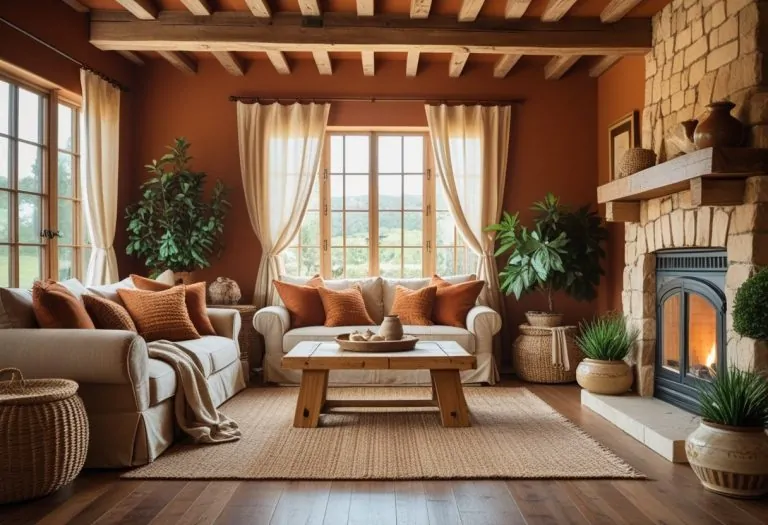
Modern rustic design merges the raw, natural textures of rustic decor with sleek, simple forms. It often features exposed wood beams, stone accents, and neutral tones like beige, gray, and earthy browns. The goal is to evoke comfort and authenticity without feeling heavy or outdated.
Clean-lined furniture in natural wood or metal is common here. Soft textiles, such as wool or linen, add warmth and contrast to the wooden or stone surfaces. This style values function and beauty, focusing on craftsmanship and natural materials that stand the test of time.
Japandi and Scandinavian Style
Japandi and Scandinavian styles emphasize minimalism, functionality, and natural beauty. Japandi combines Japanese simplicity and wabi-sabi with Scandinavian coziness. Both use neutral palettes dominated by whites, soft grays, and muted tones.
Furniture features clean lines and organic shapes, often crafted from light woods like oak or pine. Natural light and uncluttered spaces are essential. In both styles, quality over quantity is vital, with every piece purposeful and understated but elegant.
Mixing Midcentury Modern and Contemporary
Midcentury modern focuses on simple forms, clean lines, and functional design with iconic furniture shapes like tapered legs and smooth curves. Contemporary style emphasizes current trends, often with bold contrasts and geometric forms.
Blending the two can create visual interest by combining warm wood tones and vintage silhouettes with sleek metal or glass accents. This mix allows a room to feel modern and timeless simultaneously, with both styles reinforcing clean aesthetics and practical arrangement.
| Feature | Midcentury Modern | Contemporary |
|---|---|---|
| Lines and Shapes | Smooth curves, tapered legs | Bold, geometric, sometimes asymmetrical |
| Materials | Wood, leather | Metal, glass, mixed materials |
| Color Palette | Warm, natural tones | Neutral with pops of bold color |
Creative Room Features and Layout Enhancements

Incorporating unique features and thoughtful layout choices can significantly improve the living room’s function and style. Elements like cozy seating areas, effective use of space dividers, and personalized displays enhance both comfort and visual interest.
Adding a Window Seat or Reading Nook
A window seat or reading nook adds a dedicated spot for relaxation and quiet moments. Positioned near natural light sources, a window seat maximizes daylight while providing extra seating. Cushions and built-in storage below can increase comfort and organization without crowding the room.
A reading nook requires minimal space but delivers high usability. Including task lighting, a comfy chair or bench, and nearby shelves for books creates an inviting corner. This feature encourages leisurely activities and can serve as a quiet retreat within a busy household.
Using Room Dividers
Room dividers help define functional zones, especially in open-plan living areas. They create visual boundaries that improve organization and increase privacy without building permanent walls. Popular options include folding screens, bookcases, or glass panels.
Choosing a room divider depends on the desired level of separation and style. Open shelving dividers allow light and maintain flow, while opaque screens block sightlines more effectively. Dividers also facilitate different conversation areas within larger rooms, promoting better social dynamics.
Displaying Collections and Personal Items
Showcasing personal items adds character and creates focal points in a living room. Floating shelves, built-in niches, or statement cabinets work well to highlight collections such as artwork, books, or memorabilia.
Arranging items thoughtfully balances aesthetics and function. Grouping objects by size or theme prevents clutter and encourages appreciation. This approach makes the room feel lived-in and welcoming, reflecting the occupant’s taste and history.